
 Tiếng Việt

How Automation and AI Are Transforming Jewelry Manufacturing in 2025–2026
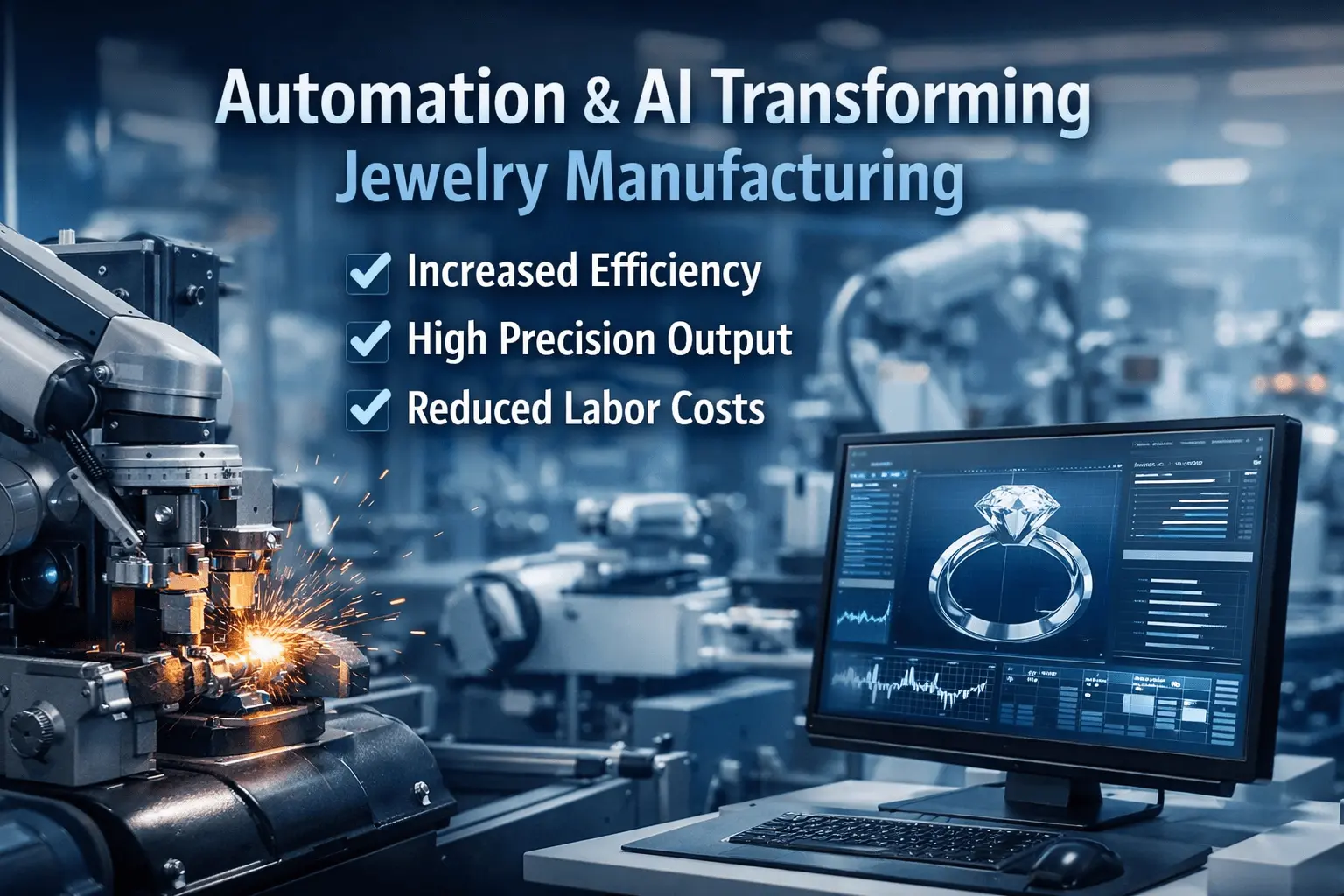
Automation and AI are rapidly transforming jewelry manufacturing by improving production efficiency, reducing labor dependency, and enabling consistent, high-precision output. Jewelry factories that adopt AI-assisted design, automated cutting machines, and smart production systems gain a competitive advantage in cost, scalability, and customization.
What Is Jewelry Manufacturing Automation?
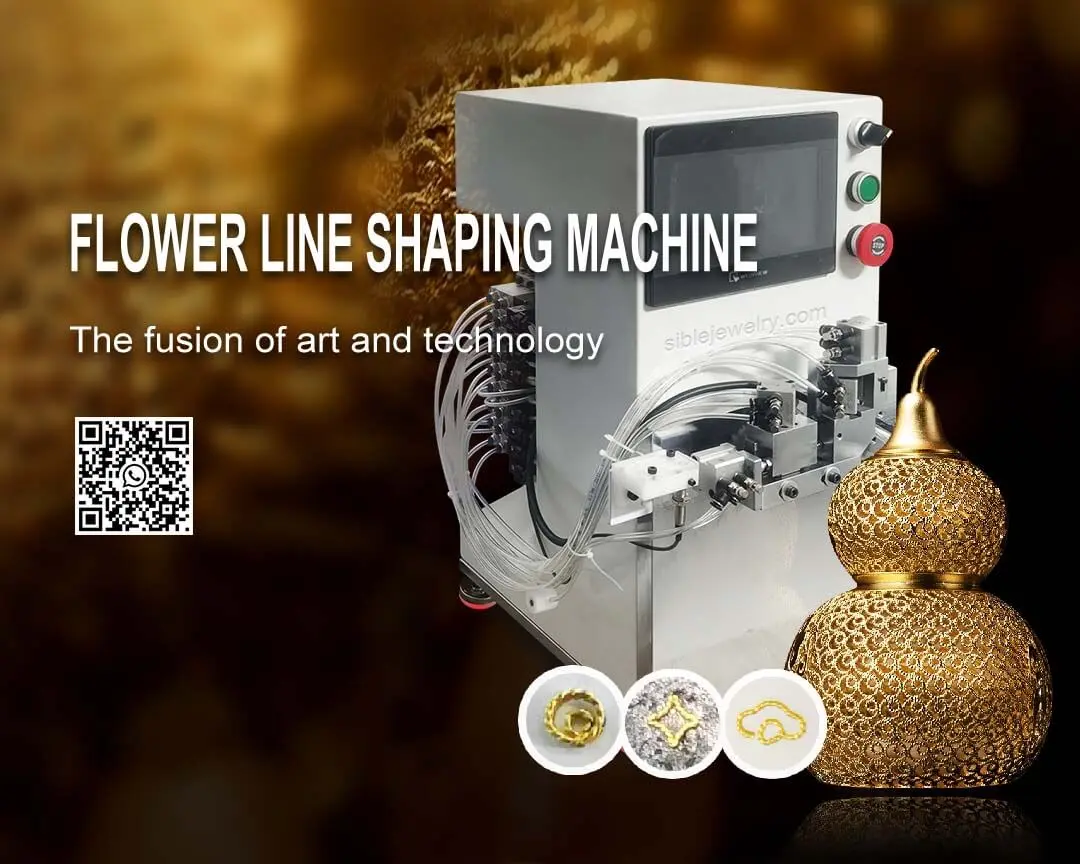
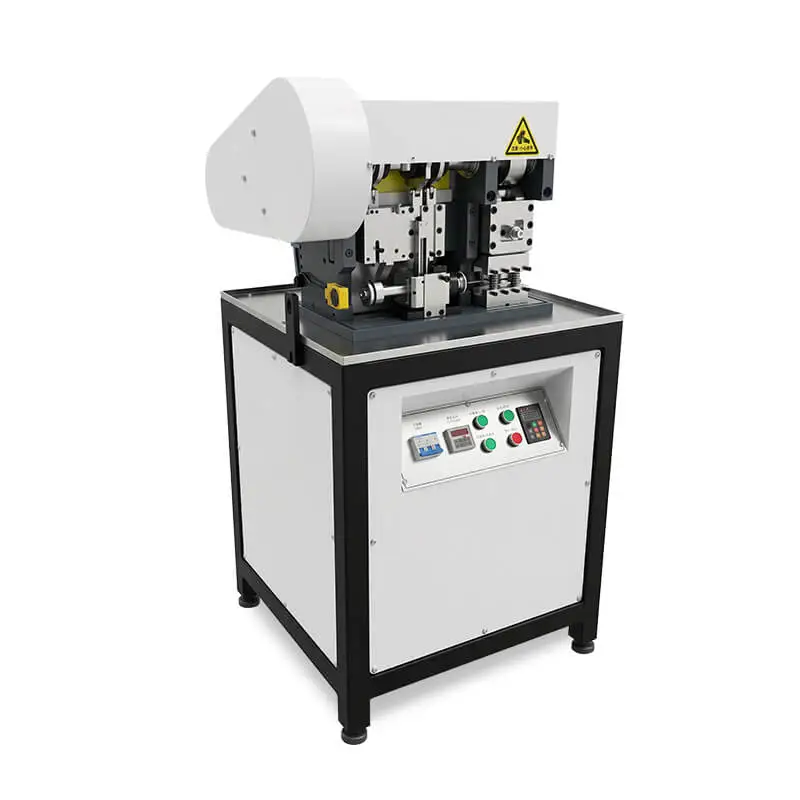
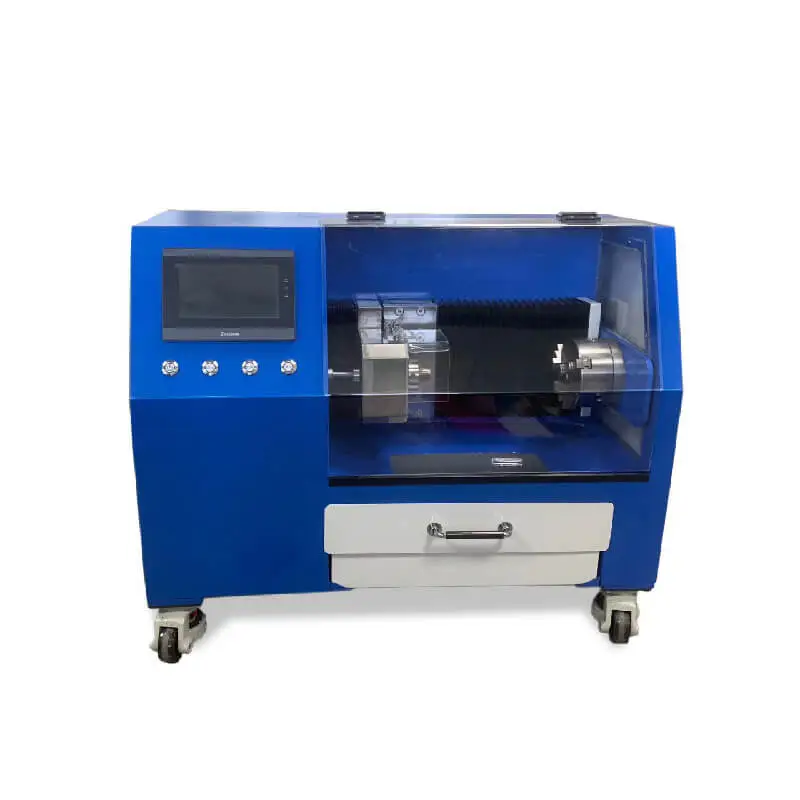
Jewelry manufacturing automation refers to the use of automated machines, CNC systems, and AI-assisted technologies to replace or enhance manual jewelry production processes such as cutting, shaping, forming, and finishing.
These systems are primarily used in factory-level production environments to ensure consistency, speed, and precision.
How Does AI Improve Jewelry Production?
AI improves jewelry manufacturing by:
Assisting in digital jewelry design and pattern optimization
Reducing material waste through precise cutting calculations
Supporting smart production planning and quality control
Enabling data-driven decisions in mass production environments
Key Advantages of Automated Jewelry Machinery
Higher production efficiency and stable output
Reduced reliance on skilled manual labor
Improved cutting accuracy and surface consistency
Easier scaling for mass production orders
Manual vs Automated Jewelry Cutting
| Aspect | Manual Cutting | Automated Cutting Machine |
|---|---|---|
| Precision | Operator dependent | Consistent and repeatable |
| Efficiency | Low to medium | High |
| Labor Cost | High | Lower over time |
| Scalability | Limited | Excellent |
Applications in Jewelry Manufacturing
Automated jewelry machines are widely used for:
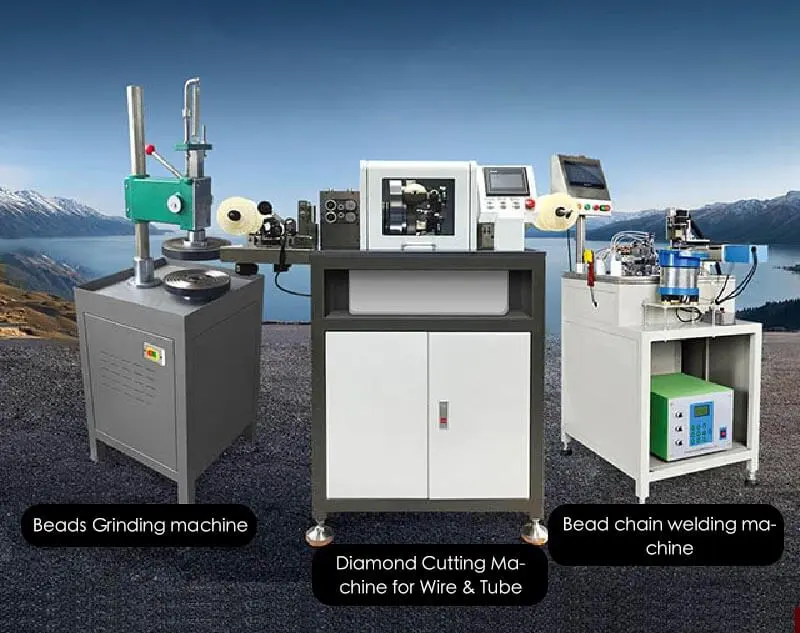
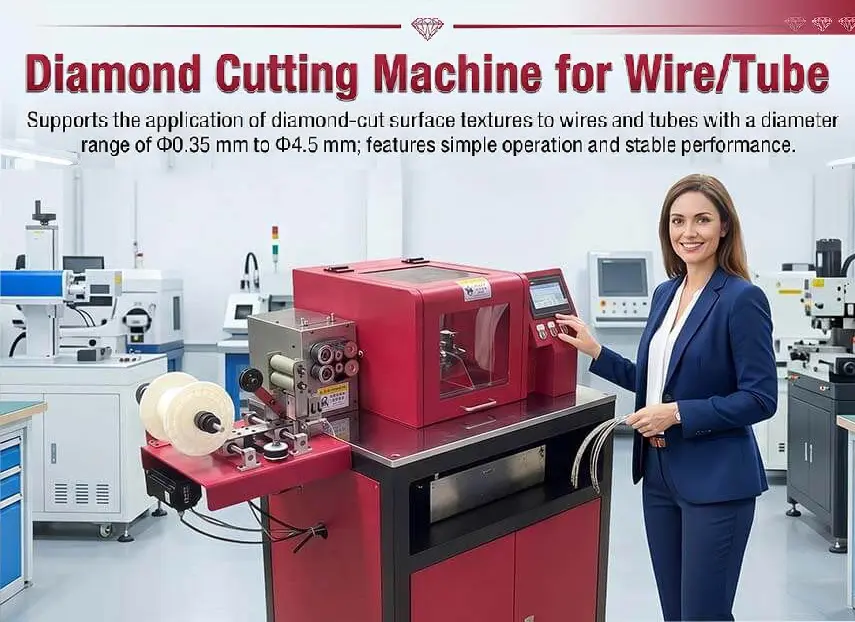
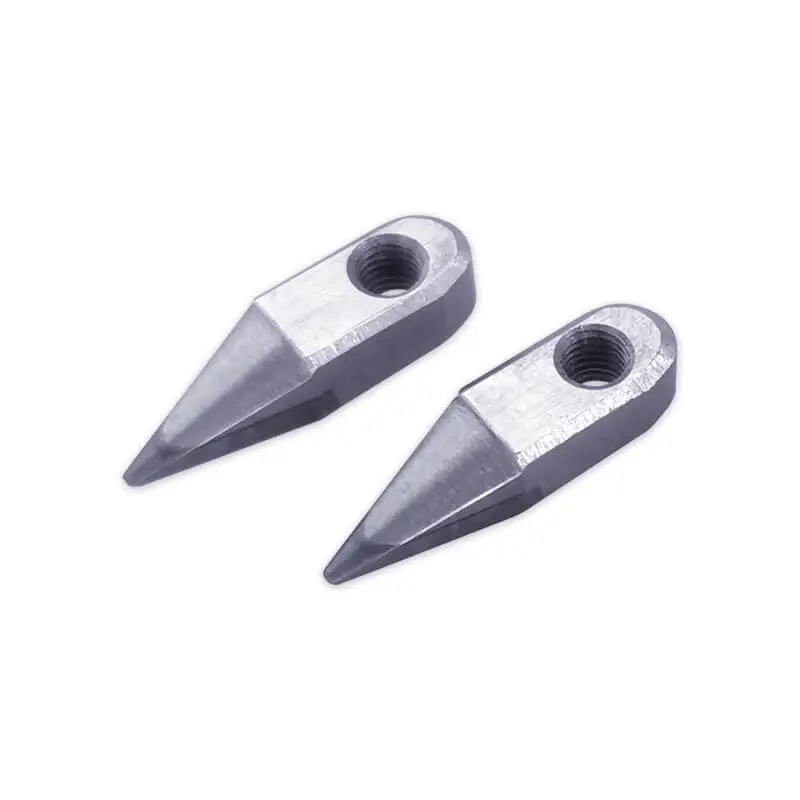
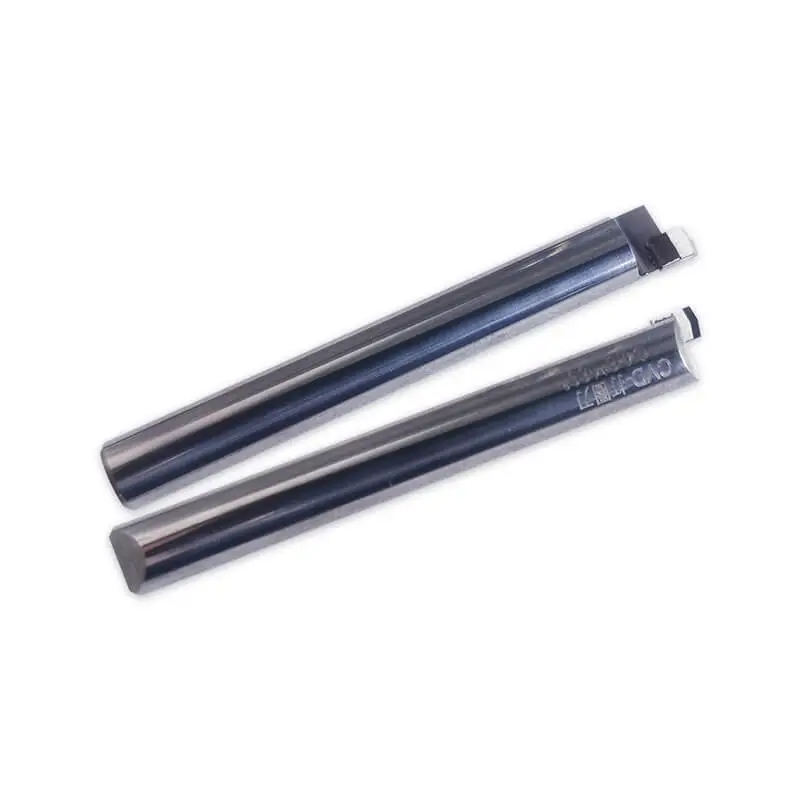
Diamond cutting for wire, tube, and ball jewelry
Mass production of chains, beads, and components
Precision shaping of metal jewelry parts
Factory-level jewelry manufacturing lines
Why Jewelry Factories Choose Automated Solutions
Jewelry manufacturers adopt automation to remain competitive in a global market where efficiency, cost control, and delivery speed are critical. Automated machines allow factories to meet large orders while maintaining stable quality standards.
Related Machines & Solutions
Diamond Cutting Machines for Jewelry Production
➡️https://www.siblejewelry.com/products/diamond-cutting-machine-for-wire-and-tube/Ball Diamond Cutting Machines
➡️ https://www.siblejewelry.com/products/ball-diamond-cutting-machine-1Jewelry Manufacturing Solutions
➡️https://www.siblejewelry.com/solutions/
FAQ
What types of jewelry factories benefit most from automation?
Factories engaged in mass production and precision cutting benefit the most from automated jewelry machinery.
Is automation suitable for small jewelry manufacturers?
Yes. Many automated machines can be configured for small to medium-scale production with long-term cost benefits.
Conclusion
As the jewelry industry enters a new phase of automation and AI-driven manufacturing, factories that invest early in automated jewelry machinery gain long-term advantages in efficiency, quality, and scalability. Automation is becoming a core strategy for modern jewelry production.
Message Online


