
 Tiếng Việt

Global Jewelry Market Demand Trends in 2025
The global jewelry market in 2025 is undergoing a decisive transformation. Driven by changing consumer preferences, rapid digitalization, and advances in manufacturing technology, the industry is shifting toward sustainable materials, personalized designs, and intelligent production. For jewelry manufacturers, wholesalers, and brand owners, understanding these trends is essential to capture growth and stay competitive.
1. Global Jewelry Market Outlook in 2025
In 2025, the global jewelry market continues to show steady growth, supported by rising disposable income, cultural demand for gold jewelry, and expanding middle-class populations across Asia-Pacific. Markets such as China, India, Southeast Asia, and the Middle East remain key consumption centers, while Europe and North America lead in design innovation and sustainable jewelry demand.
Jewelry is no longer viewed only as a luxury accessory. It increasingly represents investment value, emotional meaning, and personal identity, which further fuels long-term demand.
2. Sustainable and Ethical Jewelry Becomes a Core Trend
Sustainability is one of the strongest jewelry market demand trends in 2025. Consumers are paying closer attention to:
Responsible sourcing of precious metals
Recycled gold and silver materials
Lab-grown diamonds and gemstones
Transparent and ethical supply chains
Brands that clearly communicate their environmental responsibility are gaining trust and loyalty, particularly among younger buyers in Western markets. As a result, manufacturers are upgrading processes and materials to meet sustainability standards.
3. Digital Transformation and Online Jewelry Sales Growth
Digital channels are reshaping how jewelry is marketed and sold. In 2025:
Online jewelry sales continue to expand rapidly
Social media platforms influence purchasing decisions
Virtual try-on and 3D visualization improve customer experience
Jewelry brands that integrate e-commerce, social media, and offline retail into a unified omnichannel strategy are better positioned to reach global buyers.
For manufacturers, digitalization also extends to production—using CAD design, CNC machining, and automated cutting systems to shorten lead times and ensure consistent quality.
4. Rising Demand for Custom and Personalized Jewelry
Customization is no longer a niche service. Consumers increasingly prefer jewelry that reflects personal stories, anniversaries, and unique styles. This trend is driving demand for:
Custom rings and bracelets
Personalized pendants and beads
Small-batch and made-to-order production
Advanced jewelry machinery allows manufacturers to efficiently handle customized orders without sacrificing precision. Equipment such as diamond wire cutting machines and automatic bead forming machines plays a crucial role in flexible production.
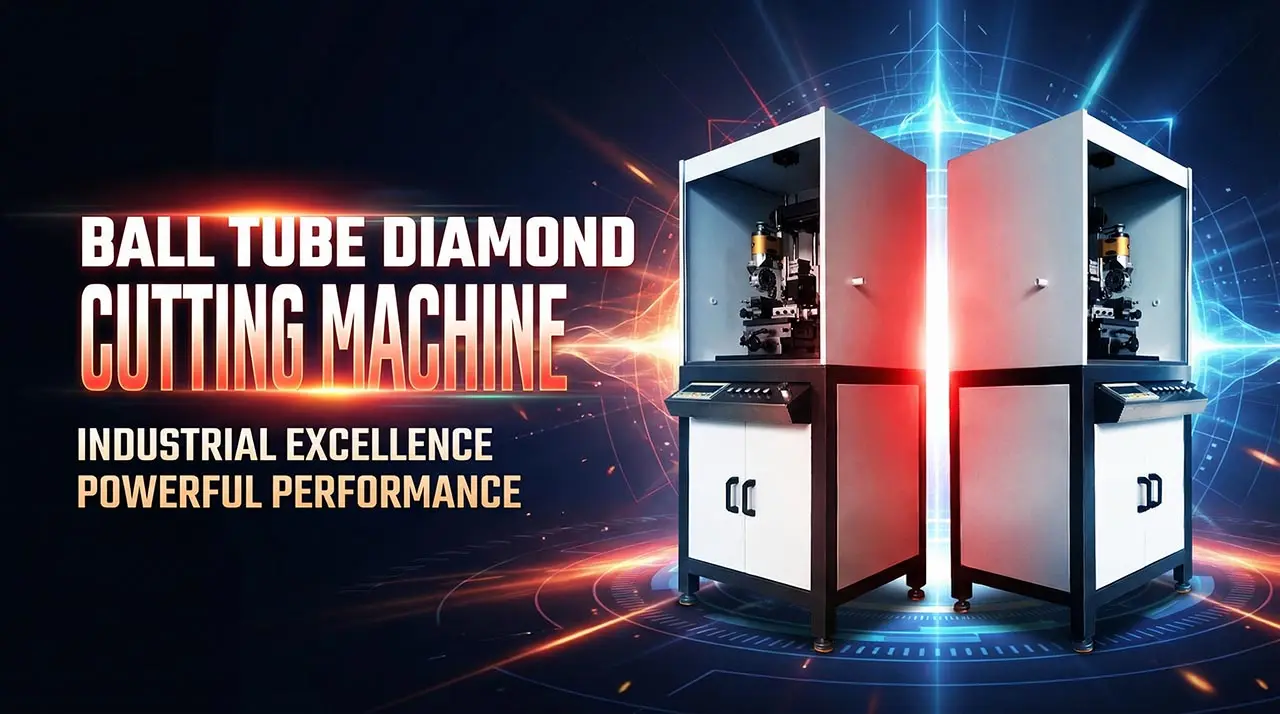
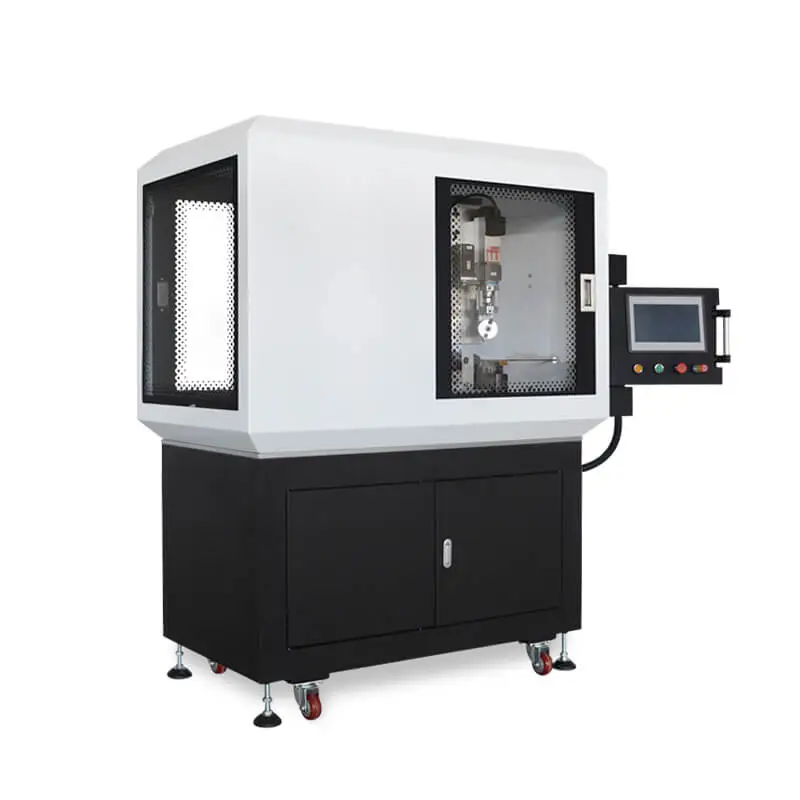
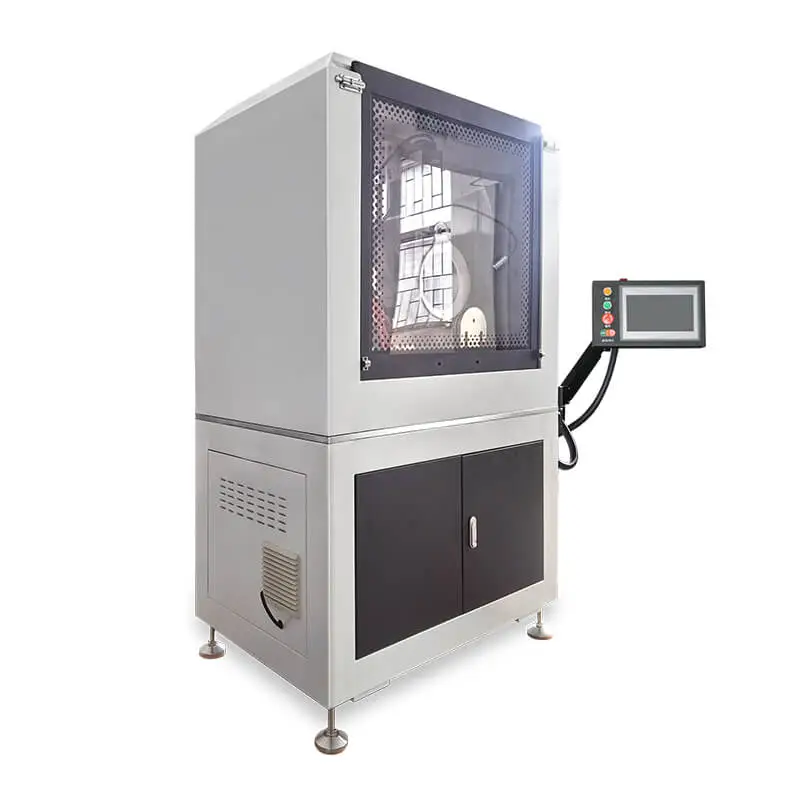
? Related Product: Diamond Cutting Machine for Wire and Tube
5. Material and Design Preferences in 2025
Jewelry design trends in 2025 highlight diversity and individuality:
Gold jewelry remains dominant, especially in Asian and Middle Eastern markets
Silver jewelry gains popularity for everyday wear
Lab-grown diamonds and colored gemstones grow due to affordability and sustainability
Minimalist, geometric, and gender-neutral designs appeal to younger consumers
Manufacturers that can adapt quickly to new materials and design trends gain a strong competitive advantage.
6. Smart Manufacturing and Jewelry Machinery Innovation
Technological innovation is redefining jewelry production efficiency. In 2025, smart manufacturing focuses on:
Automated cutting and polishing
High-precision forming and shaping
Reduced material waste and higher yield rates
Modern jewelry factories increasingly rely on automatic cutting machines, ball and bead making machines, and precision polishing equipment to meet global demand.
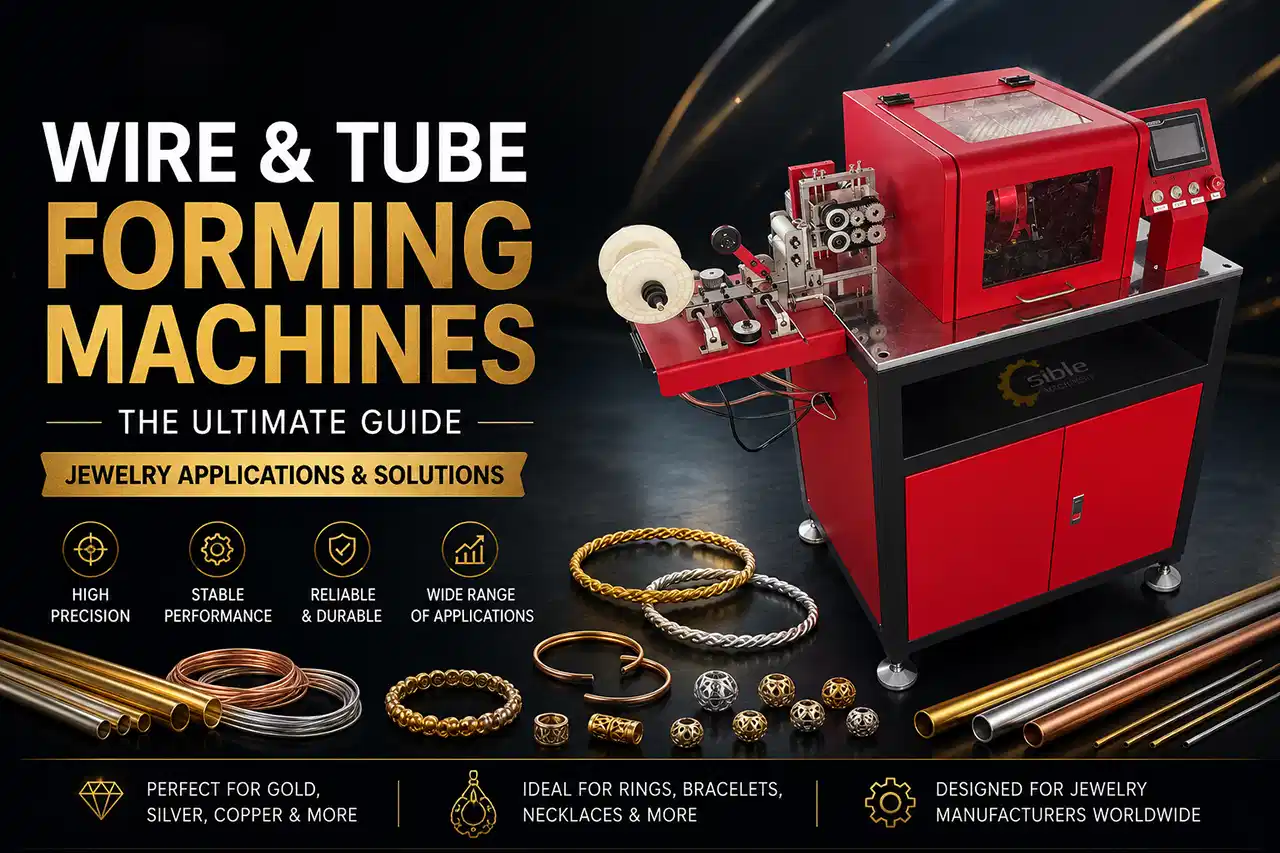
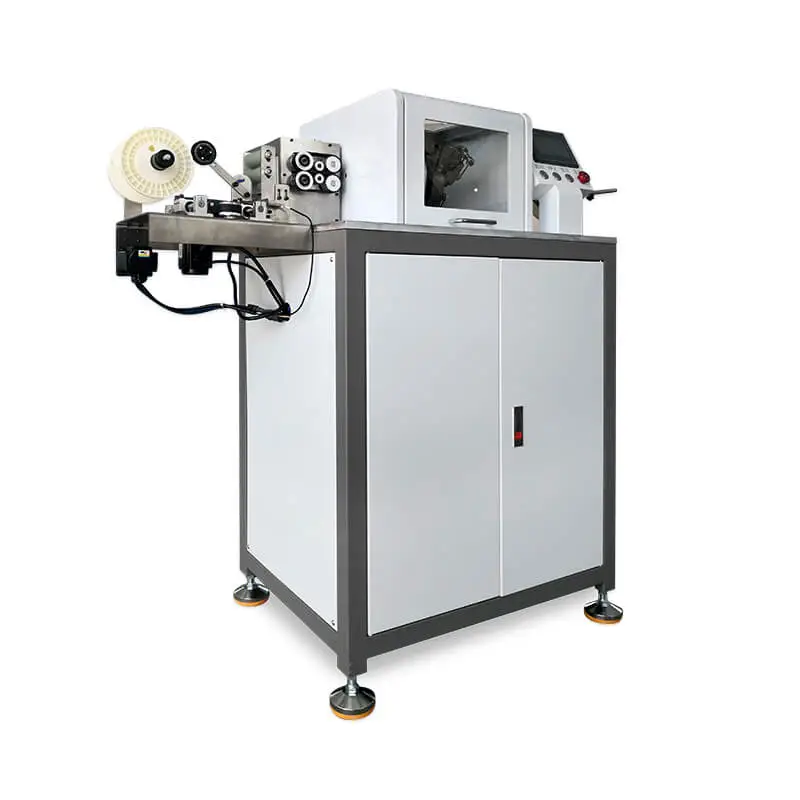
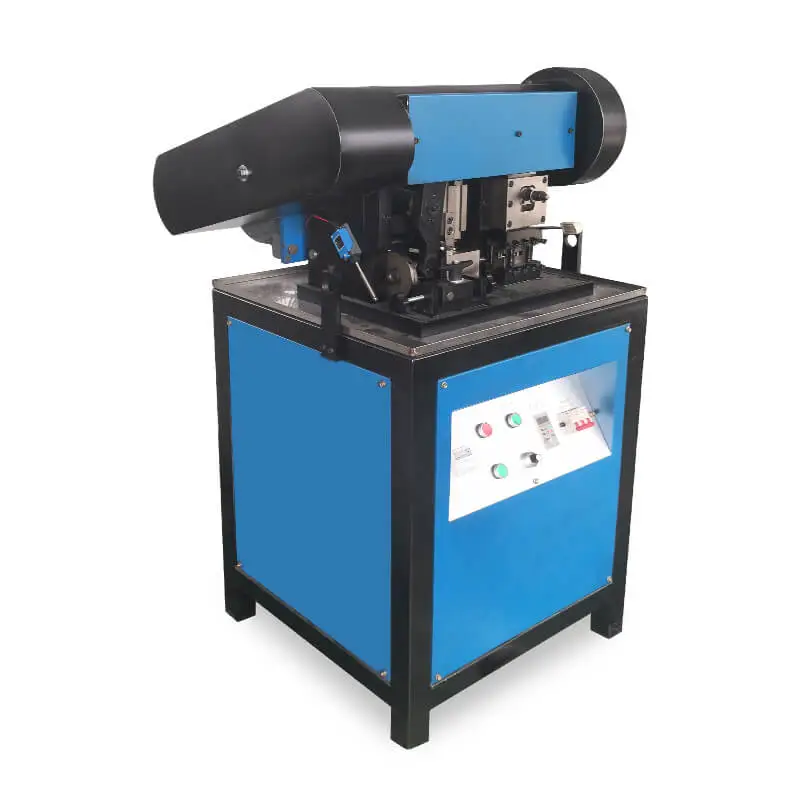
? Recommended Equipment:
These technologies not only improve product consistency but also help manufacturers reduce labor costs and increase output.
7. Gold Jewelry: Cultural Value and Investment Demand
Despite evolving fashion trends, gold jewelry continues to hold a unique position in the global market. In many regions, gold jewelry serves both as:
A cultural symbol for weddings and celebrations
A long-term store of value during economic uncertainty
This dual role ensures stable and long-lasting demand for gold jewelry products, especially in emerging economies.
Conclusion: How Jewelry Businesses Can Win in 2025
The global jewelry market demand trends in 2025 clearly point toward sustainability, personalization, digital sales, and intelligent manufacturing. Jewelry brands and manufacturers that invest in advanced machinery, adopt eco-friendly practices, and respond quickly to market changes will be best positioned for long-term success.
For jewelry manufacturers looking to upgrade production capabilities and expand internationally, choosing reliable and high-precision equipment is a key step toward capturing future growth.
? Explore More Jewelry Manufacturing Solutions:
Jewelry Cutting Machines

Message Online


