Tiếng Việt


Hollow Bead Making Machine Solution for Gold, Silver and Copper Jewelry
Sible provides complete equipment solutions for seamless hollow bead production, covering the process from metal sheet preparation to finished hollow beads. Our machinery is designed to help jewelry manufacturers improve production efficiency, maintain consistent product quality, and simplify the manufacturing process.
Whether you produce gold beads, K-gold beads, silver beads, or copper beads, Sible can help you select suitable equipment for your production requirements. Our solution includes electric rolling mills, sheet slitting machines, hollow tube forming machines, tube drawing machines, automatic hollow bead making machines, and diamond cutting machines.
With the right equipment configuration, jewelry manufacturers can establish a more efficient production process for different bead shapes and sizes while maintaining better control over material preparation, forming accuracy, and surface finishing.
1. What Are Hollow Beads?
Hollow beads are lightweight metal components with an internal cavity. They are widely used in jewelry manufacturing because they offer an attractive appearance while reducing material consumption compared with solid beads of the same external dimensions.
Hollow beads can be manufactured from various jewelry metals, including gold, K-gold, silver, and copper. Depending on the product design and manufacturing requirements, they can be produced in different shapes, sizes, and wall thicknesses.
Common Types of Hollow Beads
Hollow beads are available in a wide range of shapes to meet different jewelry design requirements, including:
Cylindrical Beads: Elongated hollow components used in decorative jewelry designs.
Round Hollow Beads: Classic spherical beads suitable for necklaces, bracelets, and other jewelry products.
Square Metal Beads: Geometric beads for distinctive jewelry designs.
Tube Beads: Hollow tubular components used in chains and decorative accessories.
Oval Beads: Elongated beads for necklaces, bracelets, and other ornamental applications.
Drum-Shaped Beads: Decorative beads with a wider center and shaped sides.
Customized hollow bead shapes are also possible. Common examples include abacus beads, bamboo-shaped beads, and tear-drop beads. The appropriate manufacturing method and tooling depend on the desired shape and dimensions.
Applications of Hollow Beads in Jewelry Manufacturing
Hollow beads are widely used in the production of necklaces, bracelets, earrings, anklets, and other jewelry accessories. Their lightweight structure makes them suitable for designs that require larger decorative elements without the weight of solid metal components.
For jewelry factories and bead manufacturers, automatic hollow bead making machines can help improve production efficiency and maintain more consistent bead dimensions during batch manufacturing.
2. Complete Hollow Bead Production Equipment Solution
Sible supplies jewelry processing machinery covering the main stages of hollow bead production. Each machine performs a specific function in the manufacturing process, from preparing the metal sheet to producing hollow tubes, forming beads, and creating decorative surface patterns.
The typical equipment configuration includes:
Electric Rolling Mill: Rolls metal sheets to the required thickness and helps achieve a more uniform material surface.
Sheet Slitting Machine: Cuts metal sheets into strips of the required width for subsequent tube forming.
Hollow Tube Forming Machine: Forms metal strips into hollow tubes and welds the edges together.
Tube Drawing Machine: Draws hollow tubes to the required diameter.
Hollow Bead Making Machine: Automatically processes hollow tubes into individual beads.
Grinding Equipment: Helps improve bead shape consistency and surface smoothness when required.
Diamond Cutting Machine: Creates decorative cutting patterns on the surface of hollow beads.
These machines can be selected according to the customer's existing equipment, target bead specifications, and production requirements. The following sections explain the seven main steps in the original hollow bead manufacturing process.
3. How to Manufacture Hollow Beads: 7 Essential Steps
Producing high-quality hollow beads requires appropriate equipment at each manufacturing stage. The following seven-step process explains how metal sheets are transformed into hollow beads and subsequently finished for jewelry applications.
Step 1: Roll the Metal Sheet to the Required Thickness
The first step is to prepare the metal sheet to the required thickness. An electric rolling mill is used to roll thicker metal material into a thinner, more uniform sheet suitable for subsequent processing.
During rolling, the material thickness is reduced and the sheet surface can be improved, depending on the rolling conditions and finishing requirements. Consistent sheet thickness helps provide a more stable starting material for the following production stages.
Gold, silver, copper, and their alloys may require different rolling settings according to their material properties and the intended product specifications.
Main objective: Prepare metal sheets with suitable thickness, uniformity, and surface quality for hollow tube production.
Step 2: Slit the Metal Sheet into Strips
After rolling, the metal sheet is cut into strips of the required width using a sheet slitting machine.
The strip width must be selected according to the intended tube dimensions and manufacturing requirements. Proper slitting helps prepare the material for the next stage, where the flat strip is formed and welded into a hollow tube.
Accurate strip dimensions also help improve production consistency and reduce material preparation problems during tube forming.
Main objective: Cut the prepared metal sheet into accurately sized strips ready for hollow tube forming.
Step 3: Weld the Metal Sheet into a Hollow Tube
In this stage, the prepared metal strip is formed into a tubular shape using a hollow tube forming machine. The two edges of the strip are then welded together to create a continuous hollow tube.
Sible's tube forming equipment is intended for jewelry metal processing applications involving materials such as gold, silver, and copper. Suitable forming and welding settings are essential for achieving the required tube dimensions and seam quality.
A properly formed tube provides the material needed for the subsequent drawing process. Tube geometry, welding quality, and surface condition should be checked before moving to the next stage.
Main objective: Transform the prepared metal strip into a hollow tube with suitable dimensions and a consistent welded seam.
Step 4: Draw the Hollow Tube to the Required Diameter
After tube forming and welding, the hollow tube is drawn through appropriately selected dies to reduce its diameter to the required size.
The drawing process may need to be repeated several times until the tube reaches the target dimensions. The number of drawing passes depends on the initial tube diameter, the required final diameter, the material properties, and the selected process parameters.
For hollow bead manufacturing, the original production guide describes a typical tube diameter range of approximately 2–14 mm. The actual supported range depends on the equipment, tooling, and intended bead specifications.
Consistent tube dimensions are important because they influence the size and uniformity of the hollow beads produced in the next stage.
Main objective: Draw the hollow tube to the required diameter and prepare it for automatic bead forming.
Step 5: Form the Hollow Tube into Beads
This is the key stage in the hollow bead manufacturing process. An automatic hollow bead making machine processes the prepared tube into individual hollow beads according to the selected machine configuration and tooling.
The machine is designed to produce hollow beads in batches, helping manufacturers reduce repetitive manual work and improve production consistency. Different bead specifications may require compatible molds or tooling adjustments.
Depending on the product design and available tooling, hollow beads can be manufactured in different sizes and shapes for gold, silver, copper, and other suitable jewelry materials.
Sible's published equipment information lists a maximum working speed of up to 120 pieces per minute for its ball making machine. Actual output depends on the machine model, bead dimensions, material, tooling, and operating conditions.
Main objective: Automatically transform the prepared hollow tube into individual beads with consistent dimensions and the required shape.
Learn more about the Sible Ball Making Machine.
Step 6: Standardize and Grind the Hollow Beads (Optional)
After bead forming, grinding can be used as an optional process to improve bead uniformity and surface smoothness.
This step helps refine the appearance of hollow beads and may improve consistency before subsequent automated processing. The actual grinding requirements depend on the bead shape, surface condition, and final product specifications.
For round hollow beads, dimensional and shape consistency can be particularly important when the products will undergo further automated processing. Appropriate inspection and finishing help identify irregularities before the beads move to the next stage.
Because the grinding process is not necessary for every product, manufacturers should determine whether it is required according to the intended finish and quality standards.
Main objective: Improve bead uniformity and surface quality when additional grinding is required.
Step 7: Apply Diamond Cutting to the Bead Surface
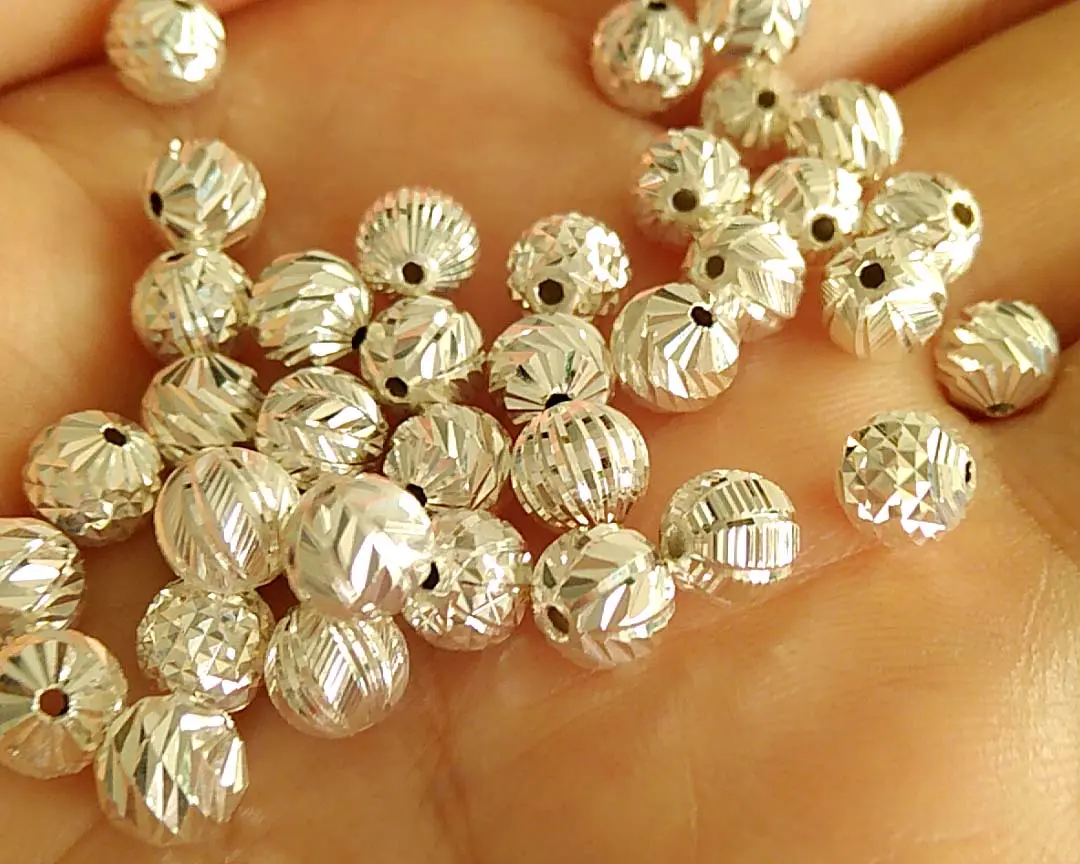
The final step is diamond cutting, which adds decorative patterns and a bright, faceted appearance to hollow bead surfaces.
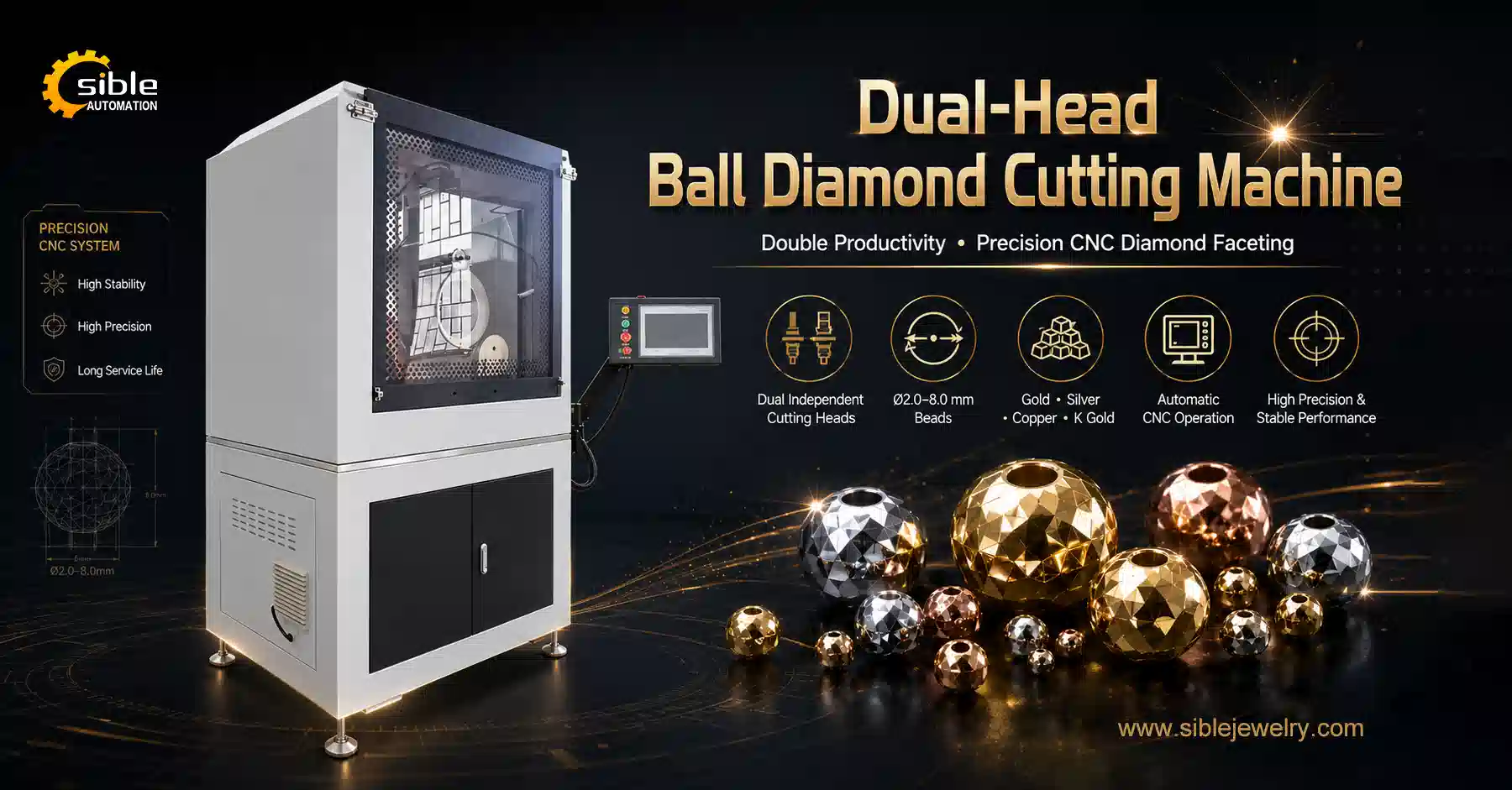
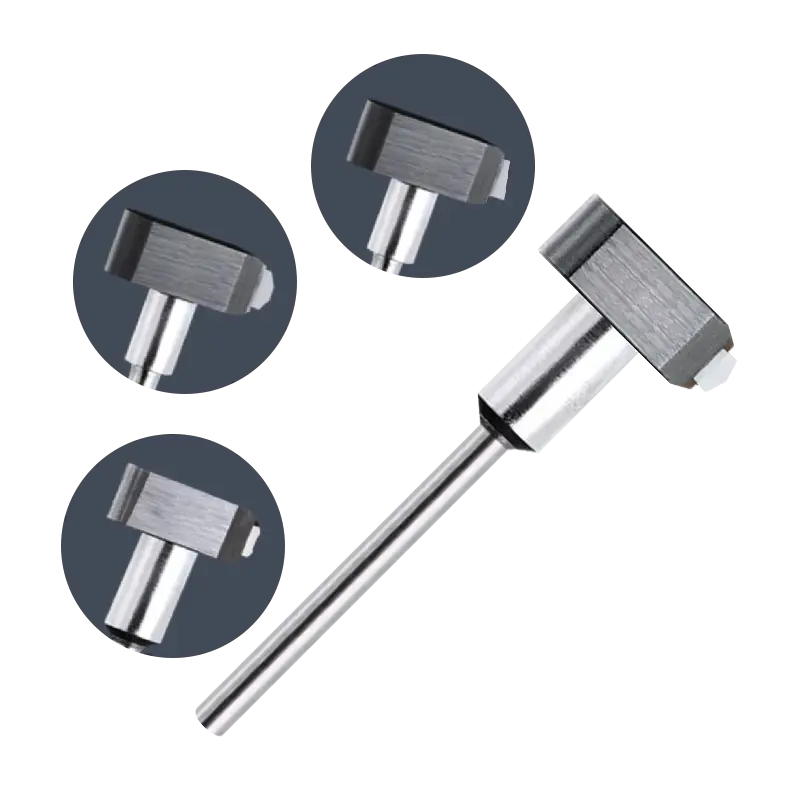
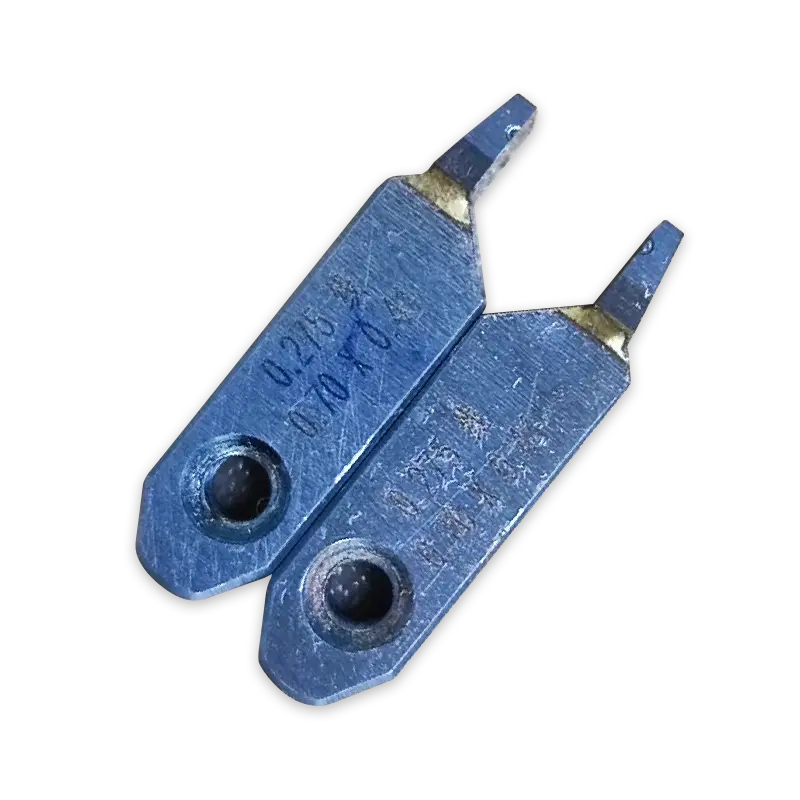
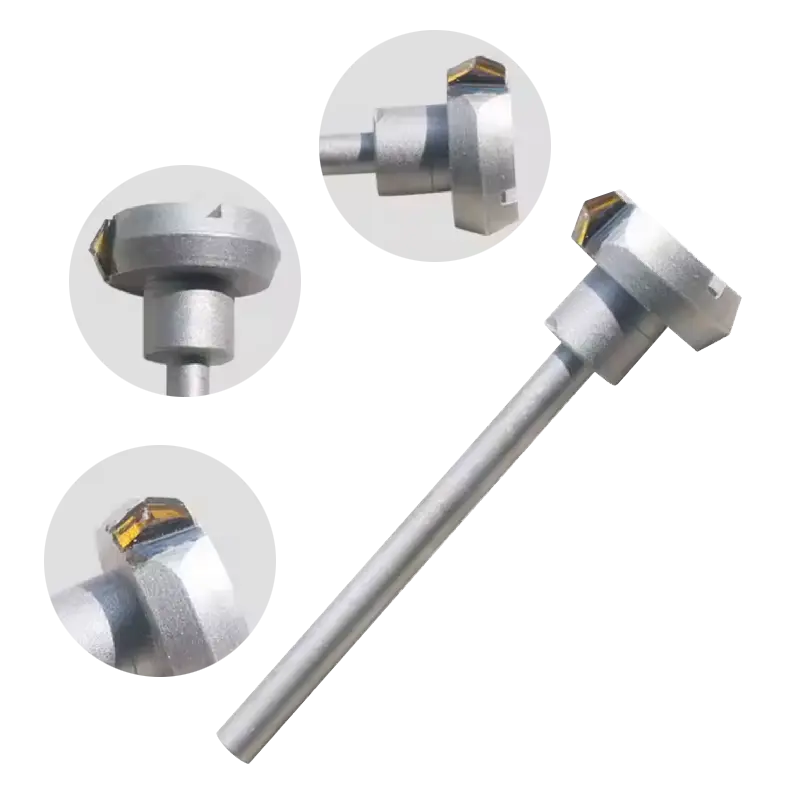
A suitable diamond cutting machine uses specialized cutting tools to create precise decorative facets on compatible beads. These patterns can enhance light reflection and provide an attractive finish for jewelry products.
The cutting process should be selected according to the bead shape, diameter, material, desired pattern, and machine compatibility. Proper workpiece positioning and suitable cutting parameters are important for achieving consistent decorative results.
Not every hollow bead requires diamond cutting. For plain bead designs, this stage may be unnecessary. For decorative gold and silver jewelry, however, diamond cutting can add visual detail and broaden the range of finished products.
Main objective: Create decorative diamond-cut patterns on compatible hollow beads to achieve the desired jewelry finish.
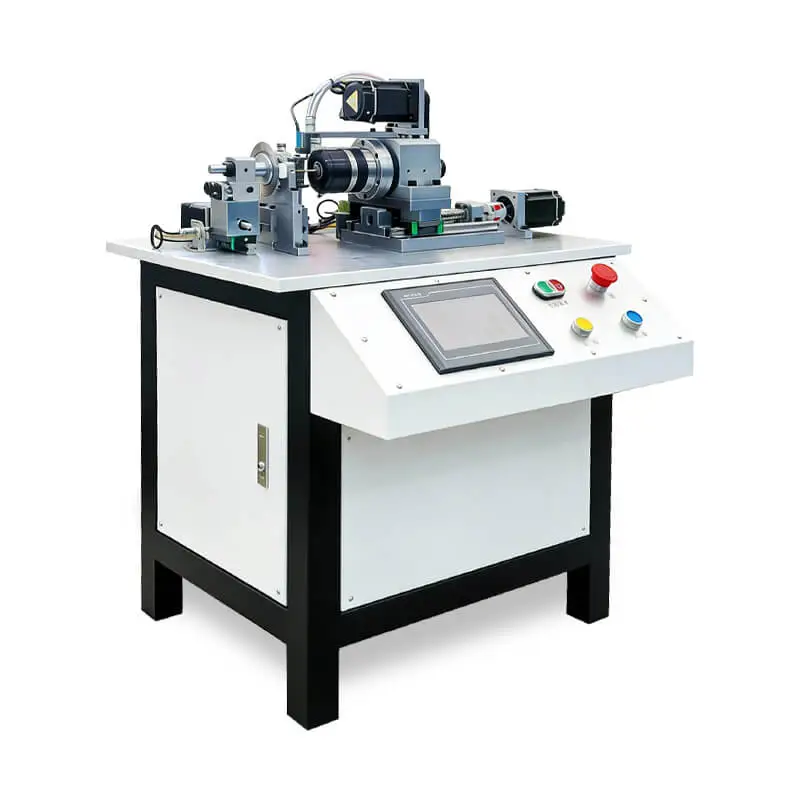
Explore the Sible Ball Diamond Cutting Machine for more information about bead surface processing equipment.
4. Why Choose Sible for Hollow Bead Making Equipment?
Sible provides jewelry manufacturing machinery and equipment solutions for customers producing hollow beads and other metal jewelry components. Our focus is on helping manufacturers select suitable machinery according to their products, manufacturing processes, and production objectives.
Equipment for Multiple Production Stages
From metal sheet preparation and tube processing to automatic bead forming and diamond cutting, Sible offers equipment options for different stages of hollow bead manufacturing.
Solutions for Different Jewelry Metals
Our equipment solutions support jewelry processing applications involving gold, K-gold, silver, copper, and other suitable materials, subject to the specifications of each machine.
Flexible Equipment Selection
Whether you need an individual hollow bead making machine or equipment for several production stages, the configuration can be evaluated according to your existing machinery, target bead dimensions, and manufacturing requirements.
Technical Consultation and Customer Support
Sible provides technical consultation to help customers evaluate equipment specifications, tooling requirements, production arrangements, and installation preparation. Our team can discuss your application before you finalize your equipment selection.
5. Frequently Asked Questions About Hollow Bead Production
What materials can be used to manufacture hollow beads?
Hollow beads can be manufactured from gold, K-gold, silver, copper, and other suitable jewelry metals. The appropriate process settings depend on the material and the required bead specifications.
What is the typical tube diameter for hollow bead production?
The original production guide describes a typical tube diameter range of approximately 2–14 mm. The suitable range should be confirmed according to the selected tube drawing equipment, bead making machine, and tooling.
How many beads can the automatic machine produce per minute?
Sible's published ball making machine information lists a maximum working speed of up to 120 pieces per minute. Actual production output depends on bead size, material, tooling, machine configuration, and operating conditions.
Is grinding necessary for every hollow bead?
No. Grinding is an optional step. It can help improve bead uniformity and surface smoothness when required by the product specifications or subsequent processing operations.
Why is diamond cutting used in hollow bead manufacturing?
Diamond cutting creates decorative facets and bright patterns on the bead surface. It is suitable for products that require a diamond-cut appearance but is not necessary for every hollow bead design.
Can Sible help select equipment for a hollow bead production line?
Yes. Sible can discuss equipment options according to your material, bead dimensions, product shape, existing machinery, and production requirements. The final configuration should be confirmed against your actual manufacturing specifications.
6. Contact Sible for a Hollow Bead Making Solution
Are you planning to manufacture hollow gold beads, silver beads, or copper beads for jewelry production?
Sible can help you evaluate suitable equipment for the seven-stage manufacturing process, from metal sheet rolling and slitting to tube forming, drawing, automatic bead forming, optional grinding, and diamond cutting.
To help us understand your requirements, please provide the following information:
Metal Material: Gold, K-gold, silver, copper, or another suitable alloy.
Bead Size: Required diameter and size range.
Bead Shape: Round, cylindrical, oval, abacus, bamboo-shaped, or another design.
Surface Finish: Plain, polished, or diamond-cut.
Production Requirements: Expected production volume and existing equipment.
You can also share product photographs, drawings, or samples to help our team understand your application.
Contact Sible today to discuss your hollow bead manufacturing requirements and find suitable jewelry processing equipment for your production needs.
Ball Making Machine | Ball Diamond Cutting Machine | Sible Jewelry Machinery