
 Tiếng Việt

Bangle Polishing Machine: Mirror Finish Production Guide
Mirror polishing is one of the most visible quality markers in bangle manufacturing. A smooth, reflective surface directly increases the selling price of finished jewelry — and it is also one of the most labor-intensive steps when done by hand. A bangle polishing machine turns that bottleneck into a repeatable, semi-automatic process.
This guide covers what a bangle mirror polishing machine does, the key specifications to check before buying, how it fits into a complete bangle production line, and how to choose the right model for your workshop.
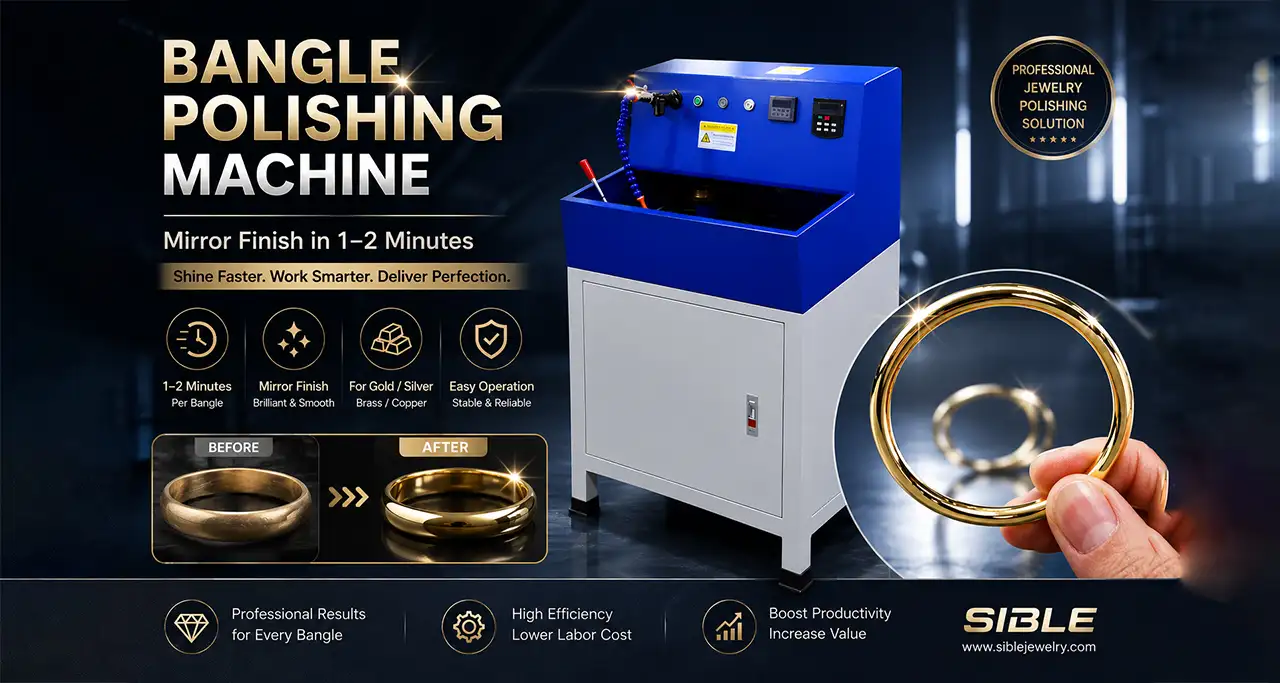
What Is a Bangle Polishing Machine?
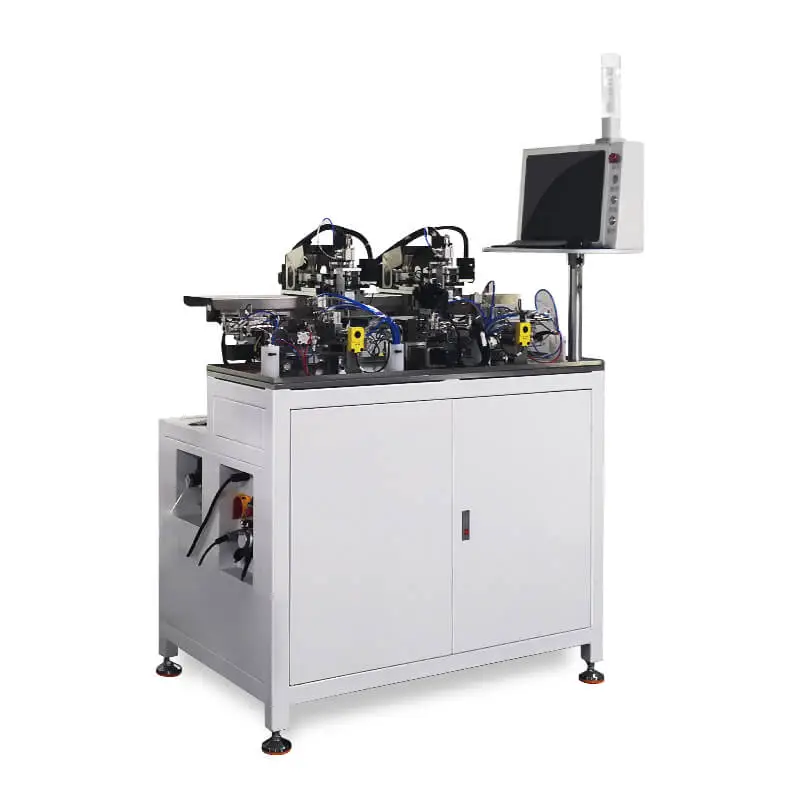
A bangle polishing machine (also called a bangle mirror polishing machine or bracelet mirror finishing machine) is a semi-automatic finishing machine designed specifically for round bracelets and bangles. It uses a mechanical polishing cycle to produce a high-gloss, mirror-like surface on the outer face of the bangle, removing visible polishing marks and surface unevenness left by earlier forming and cutting steps.
Unlike manual polishing — where results depend on the operator's skill and consistency varies from piece to piece — a dedicated machine delivers the same finish on every bangle. Each piece is processed in about 1–2 minutes, which makes the machine practical for batch production in jewelry workshops and factories.
Why Mirror Finish Matters
For bangle manufacturers, surface quality is not cosmetic — it is commercial. A bangle with a brilliant mirror finish:
Commands a higher selling price — buyers associate high gloss with high quality.
Reduces rework — consistent machine finishing means fewer rejected pieces at final inspection.
Speeds up delivery — finishing no longer depends on skilled manual polishers, a frequent production bottleneck.
Protects the metal — a properly finished surface is less prone to showing micro-scratches during handling and packaging.
The machine is especially valuable for manufacturers producing hollow and solid bangles in volume, where consistent surface quality across thousands of pieces is difficult to achieve by hand.
Key Specifications to Check
Before buying a bangle polishing machine, verify that the model matches your bangle sizes, materials, and workshop conditions. These are the specifications that matter:
| Specification | Typical Value | Why It Matters |
|---|---|---|
| Processing size | 1.8mm – 7.0mm (universal type customizable) | Must cover your bangle wire thickness range |
| Working speed | About 1–2 minutes per piece | Determines daily output per operator |
| Applicable materials | Gold, silver, copper, K gold | Must match the metals you actually process |
| Power | 1.5KW, 220V 50HZ | Must fit your workshop electrical installation |
| Operation | Semi-automatic | One operator can supervise the cycle |
| Weight / footprint | About 130Kg, 500×300×650mm | Verify workshop space and floor stability |
Two points deserve special attention:
Processing range. The standard machine handles bangles from 1.8mm to 7.0mm. If your production includes thicker or thinner bangles, ask for the universal type, which can be customized to your specific size requirements.
Material compatibility. Gold, silver, copper and K-gold cover the vast majority of bangle production. If you process other alloys, confirm compatibility before ordering — the polishing parameters are tuned for precious-metal bangles.
How to Choose the Right Bangle Polishing Machine
Choosing a bangle mirror polishing machine is mostly about matching specifications to production reality. Work through this checklist:
List your bangle sizes — measure the full range of wire thicknesses you produce, including future products. The machine's processing range must cover all of them, or you will need the customizable universal type.
Estimate batch volume — at 1–2 minutes per piece, calculate whether one machine covers your daily output. If not, plan for multiple units; the semi-automatic design means each machine needs only one operator.
Check your workshop power — 220V / 1.5KW is standard for the machine. Confirm this matches your workshop supply before installation.
Ask about customization — if you need non-standard processing sizes or special tooling, request the universal type and confirm the customization with the manufacturer.
Compare total cost, not just price — consider tooling, spare parts, installation guidance, and after-sales support. A factory-direct supplier usually offers the best combination of price and service.
For more details on the machine itself, see the bangle mirror polishing machine product page.
Fitting the Machine into a Bangle Production Line
A bangle polishing machine is the finishing step in a longer process. For consistent results, the bangle must be well formed and cut before it reaches the polishing stage. Sible recommends building the line around these stages:
| Stage | Equipment | Purpose |
| Forming | Channel coiling machine | Forms bracelet, ring and earring shapes from flat strip material |
| Decoration | Flower line shaping machine | Creates decorative wire patterns for bangles |
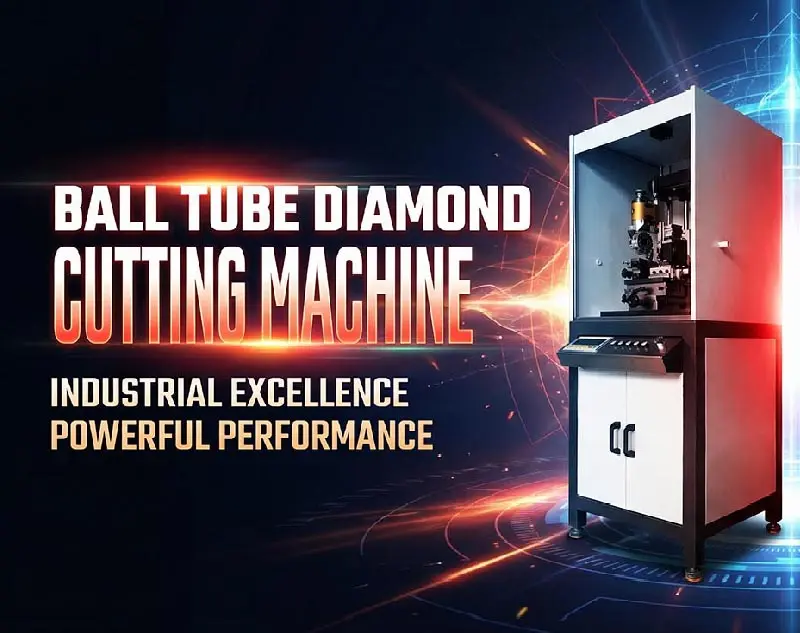
| Cutting | Diamond cutting machine for wire and tube | Produces decorative wire and tube with consistent patterns |
| Sizing | Wire drawing dies | Ensures accurate wire dimensions before forming |
| Finishing | Bangle mirror polishing machine | Delivers the final mirror finish before packaging |
When these stages are combined, a workshop can move from raw strip material to finished, polished bangles in one controlled production flow.
Frequently Asked Questions
Which materials can a bangle polishing machine handle?
The machine is designed for gold, silver, copper, and K-gold bracelets — the most common materials in bangle production.
What bangle sizes can it process?
The standard machine processes bracelets from 1.8mm to 7.0mm. A universal type is available and can be customized to your specific size requirements.
How long does it take to polish one bangle?
About 1–2 minutes per piece, depending on material and surface condition.
Is the machine difficult to operate?
No. The semi-automatic cycle is designed for easy operation with minimal training. One operator can achieve consistent results across large production batches.
Can the machine be customized?
Yes. Sible supports customized processing specifications to match different bangle sizes and production needs. Contact us with your requirements.
Do you provide after-sales support?
Yes — remote video guidance for installation and operation, responsive after-sales support, and a standard 12-month warranty on all Sible machines.
Where can I get a factory-direct quote?
Sible is a direct manufacturer. All prices are factory-direct with no middleman markup. Contact us through the website for a quote tailored to your production requirements.


Message Online


