
 Tiếng Việt

Ball Diamond Cutting Machine Price: Complete 2026 Guide
Buying a ball diamond cutting machine is a serious investment, and the price range you see online can be confusing — from budget machines under a few thousand dollars to full CNC systems that cost much more. This guide breaks down what actually drives the price of a ball diamond cutting machine in 2026, what you are really paying for at each level, and how to compare quotes from Chinese manufacturers without getting misled.
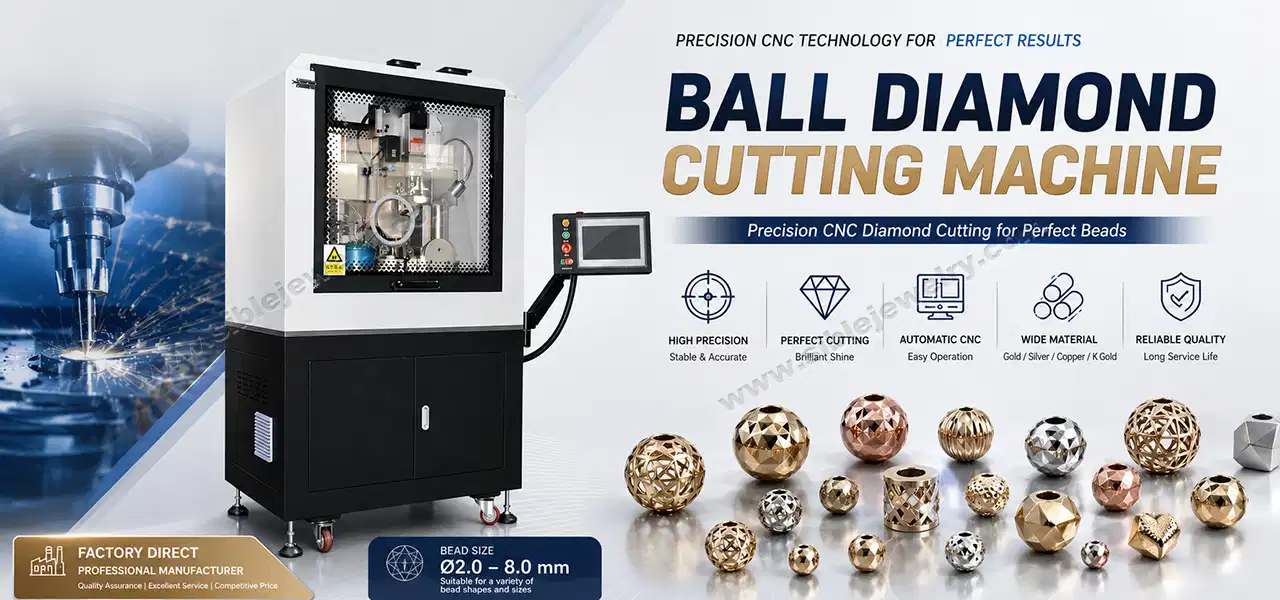
Price Range at a Glance
For a factory-direct CNC ball diamond cutting machine (bead faceting machine) in 2026:
| Machine Level | Typical Price Range | Who It Fits |
|---|---|---|
| Manual / semi-auto bead cutting | $800 – $2,000 | Small workshops, occasional use |
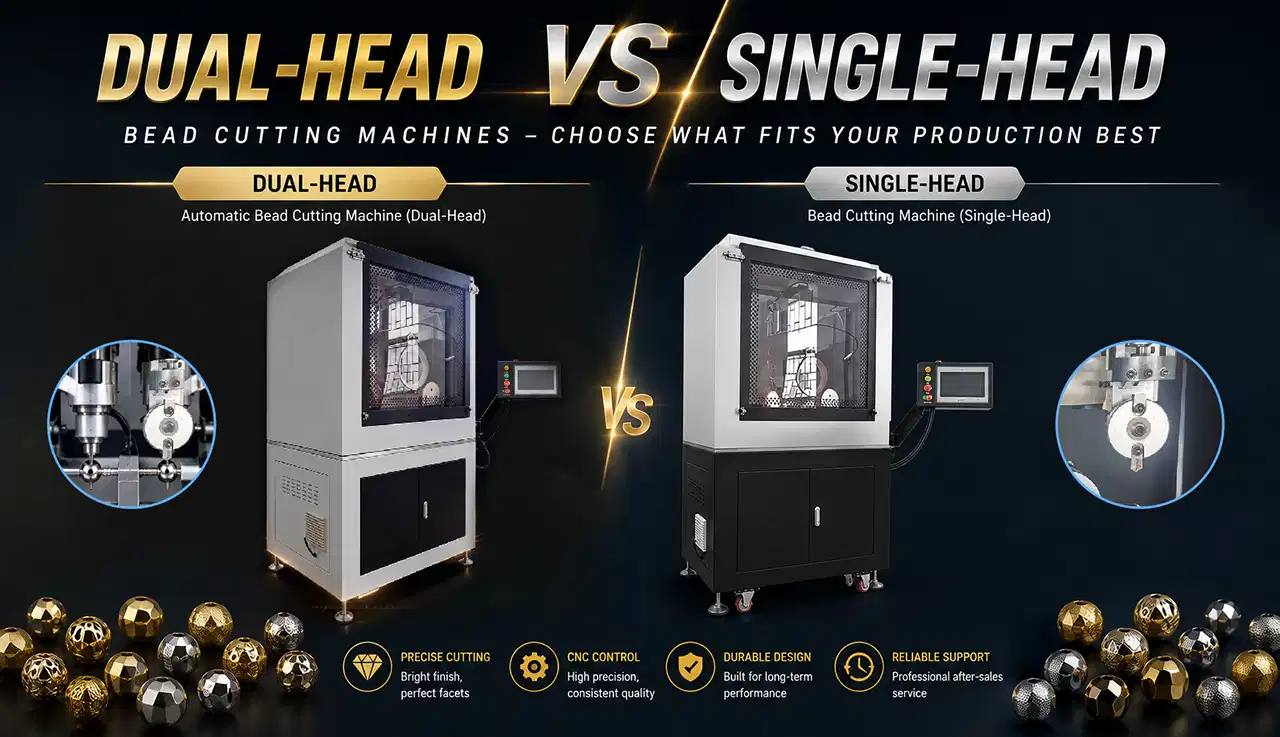
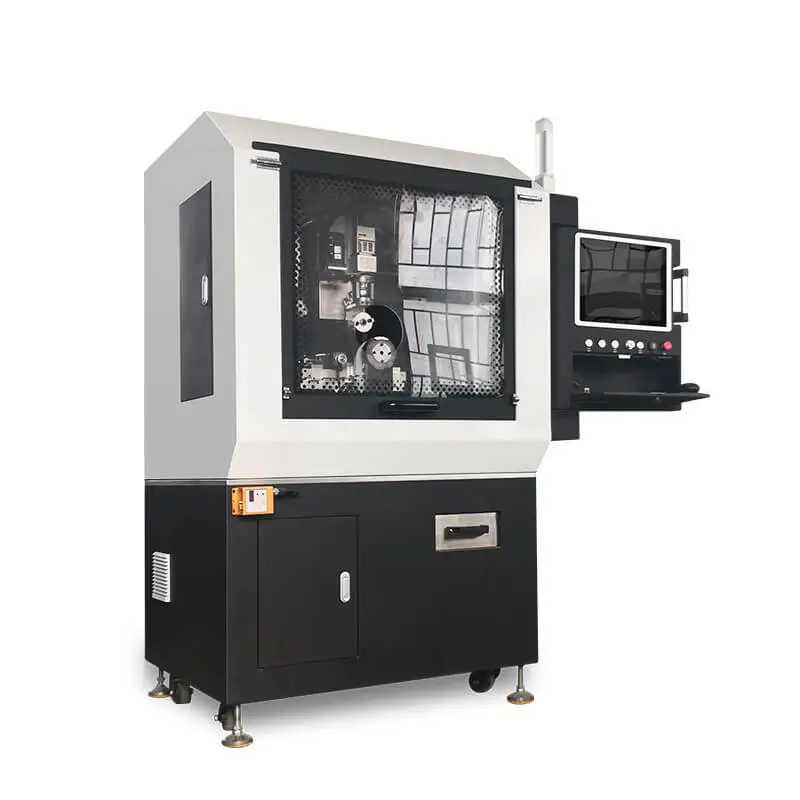
| Single head CNC ball diamond cutting machine | From ~$1,000 (factory direct) | Small to medium production |
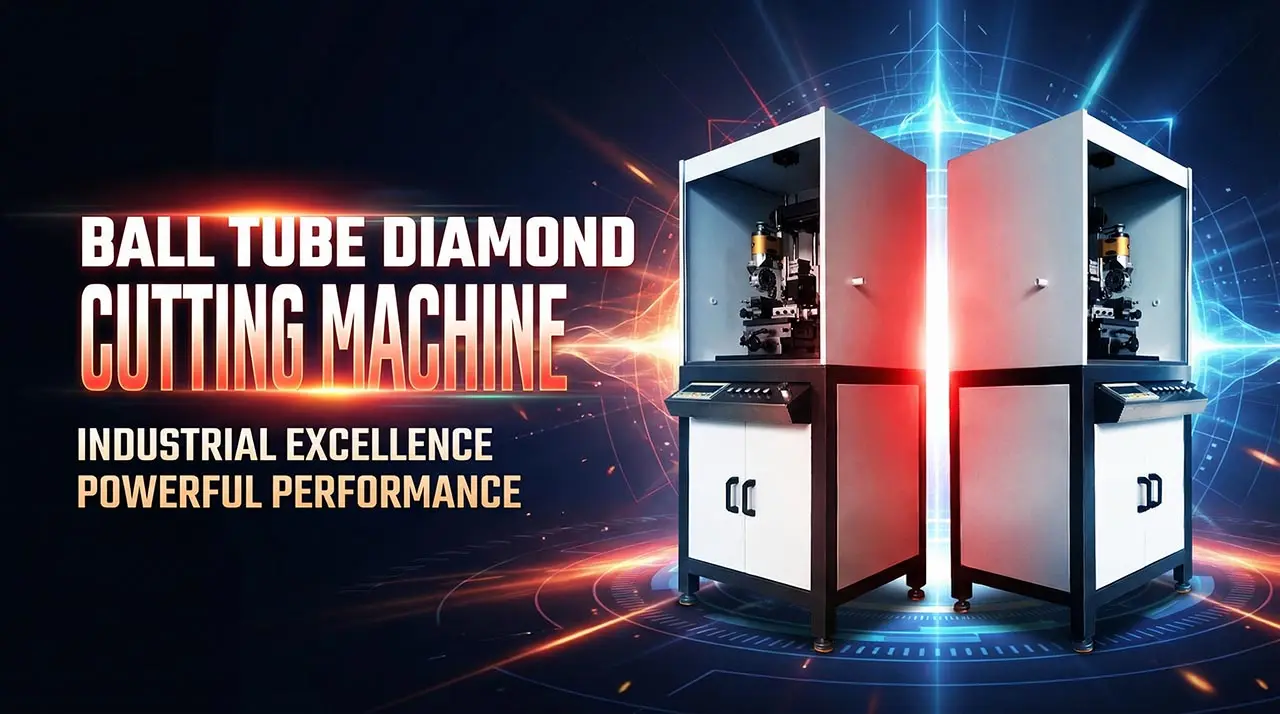
| Dual head CNC ball diamond cutting machine | From ~$1,500–$2,000 (factory direct) | Medium to high volume |
| High-configuration / customized systems | $3,000+ | Large factories, special tooling, automation integration |
Note that prices are "starting from" figures: the final quote depends on configuration. A machine that is quoted at the same base price as a competitor may differ sharply in what is included — spindle options, feeding system, tooling package, control system, and support.
What Determines the Price
1. Number of Cutting Heads
The single most important price driver. A single head machine has one CNC cutting head and works in single-head mode only. A dual head machine has two independent cutting heads — it can be used in single-head mode or with both heads alternating, producing a wider variety of bead patterns. The extra head and its components are why dual head models cost more (typically 1.5–2.0 times the single head price) — but if the patterns you need can be produced with a single head machine, there is no need to pay for the second head.
2. CNC Control System
Genuine CNC control (LCD touchscreen, programmable patterns, saved recipes) costs more than basic manual control, and it is what makes consistent faceting depth and repeatable patterns possible. Machines advertised as "automatic" without CNC control are a different product class.
3. Bead Size Range and Tooling
Machines supporting larger bead diameters (e.g., Ø2.0–Ø10.0 mm) and a wider variety of patterns (facets, decorative lines, custom geometric designs, logo engraving) require more capable tooling and programming — reflected in the price.
4. Build Quality and Components
Spindle quality, frame rigidity, feeding mechanism and electrical components account for much of the difference between a machine that runs reliably for years and one that needs constant attention. Factory-direct prices from a manufacturer with in-house R&D tend to include better components than trading-company resellers at the same nominal price.
5. After-Sales Support and Warranty
Installation guidance, operator training, spare parts availability and a real warranty (typically 12 months, extendable) are part of the total cost of ownership. A slightly higher quote with solid support is usually cheaper than a low quote with no one to call.
Red Flags When Comparing Quotes
Suspiciously low prices for "CNC automatic" machines — check whether the control system is actually CNC, not a fixed cam or timer.
Vague specifications — a real quote lists bead size range, spindle speed, power, voltage, weight and included accessories.
No manufacturer identity — trading companies often hide who actually builds the machine; factory-direct means you can verify the production line.
Excluded extras — tooling, shipping, and installation are sometimes quoted separately; ask for a full landed-cost breakdown.
How to Get a Realistic Quote
Define your required patterns and bead sizes — the styles you need to produce (standard facets, decorative lines, custom designs, dual-head mixed patterns) decide single head vs dual head before you compare prices, not production volume alone.
List required patterns in detail — standard facets only, or custom designs and logo engraving? This affects the control system and tooling.
Ask for a spec sheet — machine dimensions, power, spindle speed, voltage, weight, and included accessories in writing.
Request a full quote — machine price, tooling package, shipping (FOB/CIF), installation support, warranty terms.
Verify the manufacturer — factory-direct suppliers can show their own R&D, production line and customer references.
Sible is a direct manufacturer of ball diamond cutting machines with in-house R&D in Shenzhen. Our single head machine and dual head machine both start from factory-direct pricing with the full configuration listed openly. For a comparison of the two models, see our guide on dual head vs single head bead cutting machines.
FAQ
How much does a ball diamond cutting machine cost?
Factory-direct CNC single head machines start from around $1,000 and dual head machines from around $1,500–$2,000 depending on configuration; high-configuration systems run higher. The final price depends on heads, control system, tooling and support.
Why are dual head machines more expensive?
A dual head machine has an extra cutting head and more components, which is why the base price is higher — dual head machines generally cost about 1.5–2.0 times more than single head machines. Whether it is worth the extra cost depends on the patterns you need to produce, not on output alone.
Is a cheap ball diamond cutting machine worth it?
It depends on what you get for the price. A genuinely CNC-controlled machine from a manufacturer with support can pay for itself quickly; a vague "automatic" machine without real CNC control may cost more in downtime. Compare specs, not just prices.
Do prices include shipping?
Most factory quotes are FOB or CIF; shipping and customs are usually quoted separately. Ask for a complete landed-cost breakdown before comparing suppliers.
What warranty comes with the machine?
Standard warranty is typically 12 months from delivery, with extended options available — confirm this in writing before purchase.
Message Online


