
 Tiếng Việt

Diamond Cutting Machine Maintenance: Daily & Weekly Care Guide
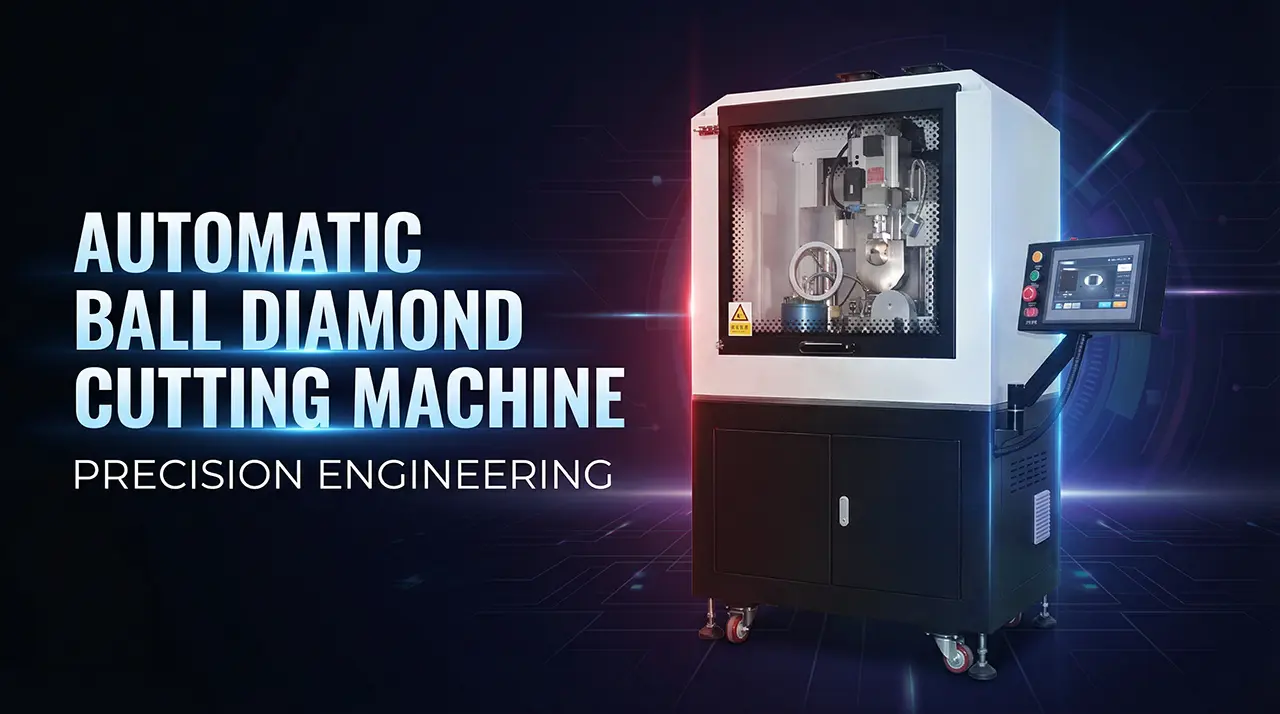
A diamond cutting machine is the workhorse of a jewelry factory — and like any precision machine, it rewards regular maintenance with consistent output, longer tool life and fewer mid-run failures. In jewelry manufacturing, a machine that is cutting poorly can ruin expensive gold and silver workpieces before you notice, so maintenance is not a cost center: it is production insurance.
This guide covers the practical maintenance routine for diamond cutting machines — daily checks, weekly care, tool handling and common problems — written for production managers and operators.
Why Maintenance Matters
Cut quality: a clean machine cuts clean patterns; wear and debris cause burrs and inconsistent depth.
Tool life: proper lubrication and seating can double the life of a diamond cutting tool.
Uptime: scheduled checks prevent unscheduled stops in the middle of a production run.
Precious metal protection: debris and misalignment waste gold, silver and copper — your most expensive raw material.
Daily Checks (5 Minutes per Machine)
Clean the work area — remove metal chips and dust from the cutting zone, guides and collection tray after every shift.
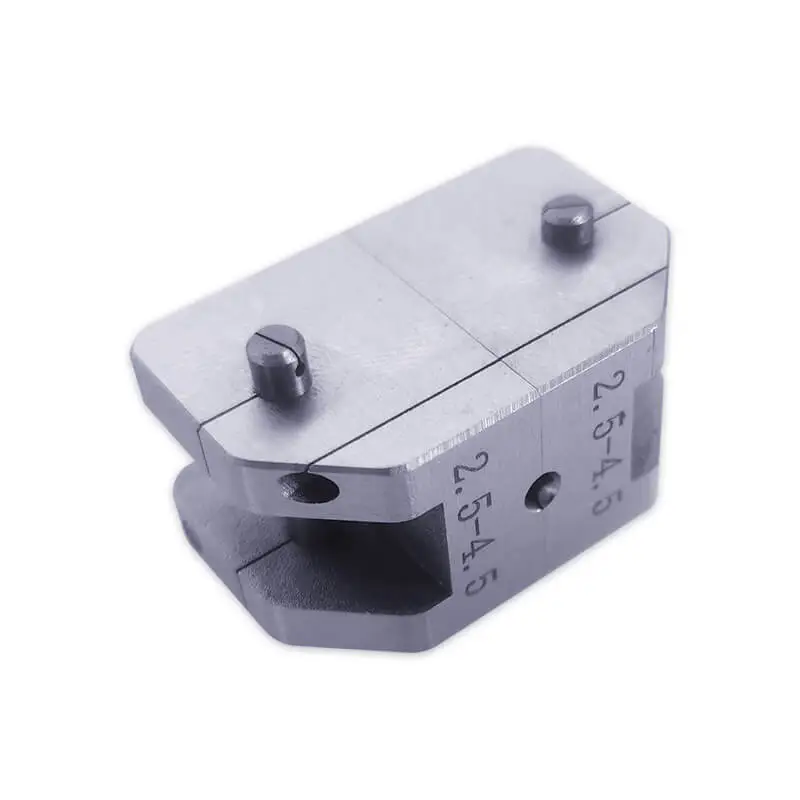
Check the tool holder — confirm the diamond tool is seated firmly; a loose tool drifts during cutting.
Inspect the feed path — wire or tube must track cleanly through the guides with no kinks.
Verify lubrication — top up cutting lubricant where the machine uses it; dry cutting on hard alloys increases tool wear sharply.
Listen — unusual vibration or noise usually means a bearing, belt or tool issue developing.
Weekly Care
Clean and lightly oil slide ways and moving shafts.
Check belts and pulleys for wear and correct tension.
Inspect electrical connections and cables for chafing.
Verify pattern programs and cutting parameters are unchanged from the reference setup.
Check the cooling/filtering system (if fitted) and replace filters as needed.
Diamond Tool Care
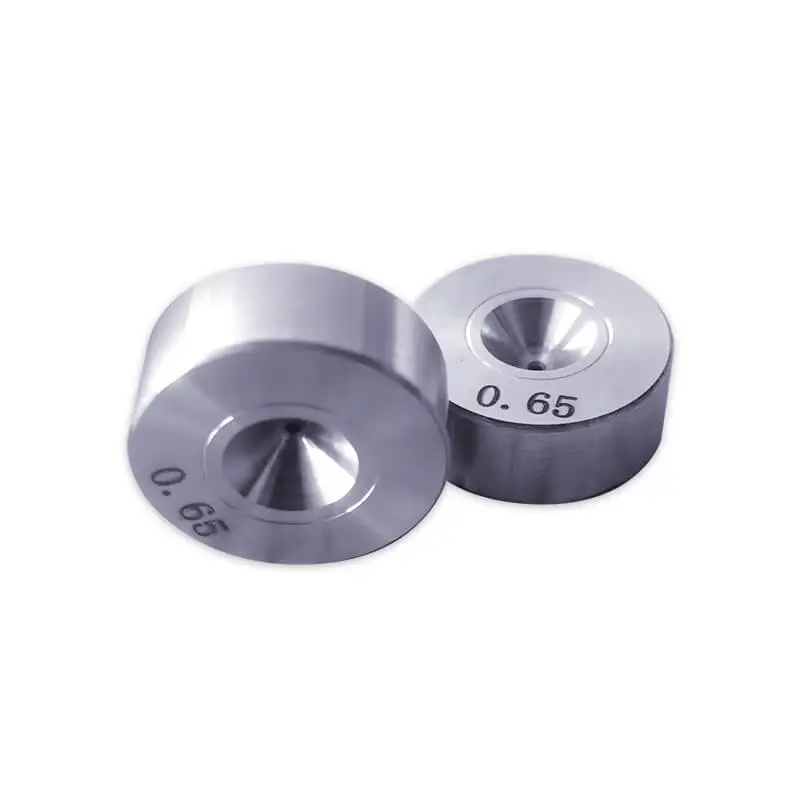
The diamond cutting tool is the single most important consumable on the machine:
Use the right tool for the material — softer metals like 24K gold need reduced pressure and shallow cuts; harder materials like copper increase tool wear.
Never force a dull tool — a dull diamond tool overheats and can fracture. Replace or re-dress it in time.
Store tools properly — diamond edges are brittle; protect them from impact and contamination.
Keep spares ready — stocking replacement diamond cutting tools avoids downtime when a tool fails mid-order.
Common Problems and Quick Fixes
| Symptom | Likely Cause | Fix |
|---|---|---|
| Inconsistent cut depth | Loose tool holder or worn guide | Re-seat tool; inspect guides |
| Burrs on workpiece | Dull tool or wrong speed | Replace tool; adjust feed speed |
| Excessive vibration | Loose belt, bearing wear | Tighten/replace; check bearings |
| Wire breakage | Kinked feed path, wrong tension | Straighten path; adjust tension |
| Pattern drift | Parameters changed, program fault | Restore reference settings |
When to Service vs When to Call Support
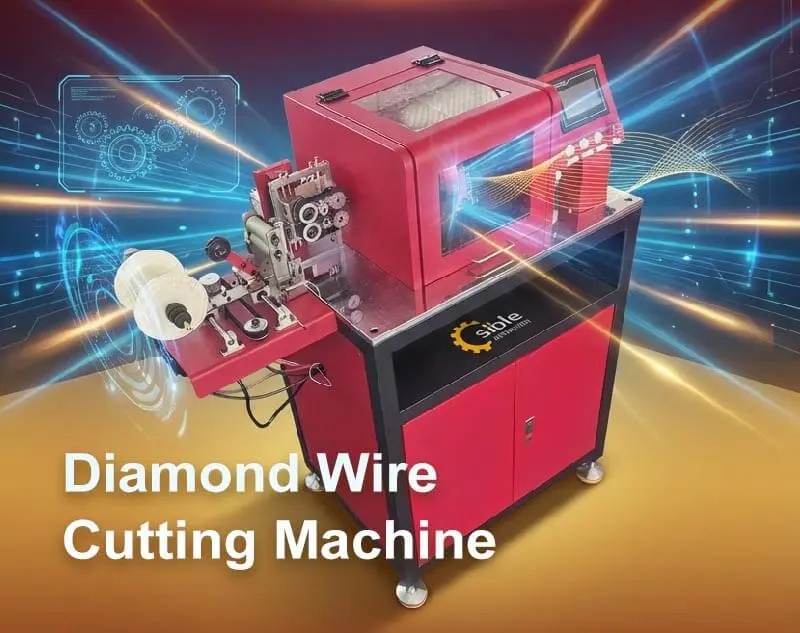
Daily and weekly routines handle most issues. If you see persistent quality problems, electrical faults, or unusual noise that cleaning and adjustment do not fix, stop the machine and contact the manufacturer. Sible provides installation, calibration and training services with every machine, and spare parts are kept available for long service life — see our guide on diamond cutting machines for wire and tube for the machines this routine applies to.
FAQ
How often should a diamond cutting machine be serviced?
Daily cleaning and checks take about 5 minutes per machine; a deeper weekly care routine and monthly inspection keep the machine in production shape.
How long does a diamond cutting tool last?
Tool life depends on material, speed and maintenance — proper lubrication and handling can roughly double life compared to neglected operation.
Can I use one diamond tool for all metals?
One tool type can cut multiple metals, but softer metals need reduced pressure and shallow cuts, while harder materials increase wear; matching tool and parameters protects both the tool and the workpiece.


Message Online


