
 Tiếng Việt

Diamond Cutting Machine for Wire and Tube: Gold, Silver & Copper Processing Complete Guide (2026)
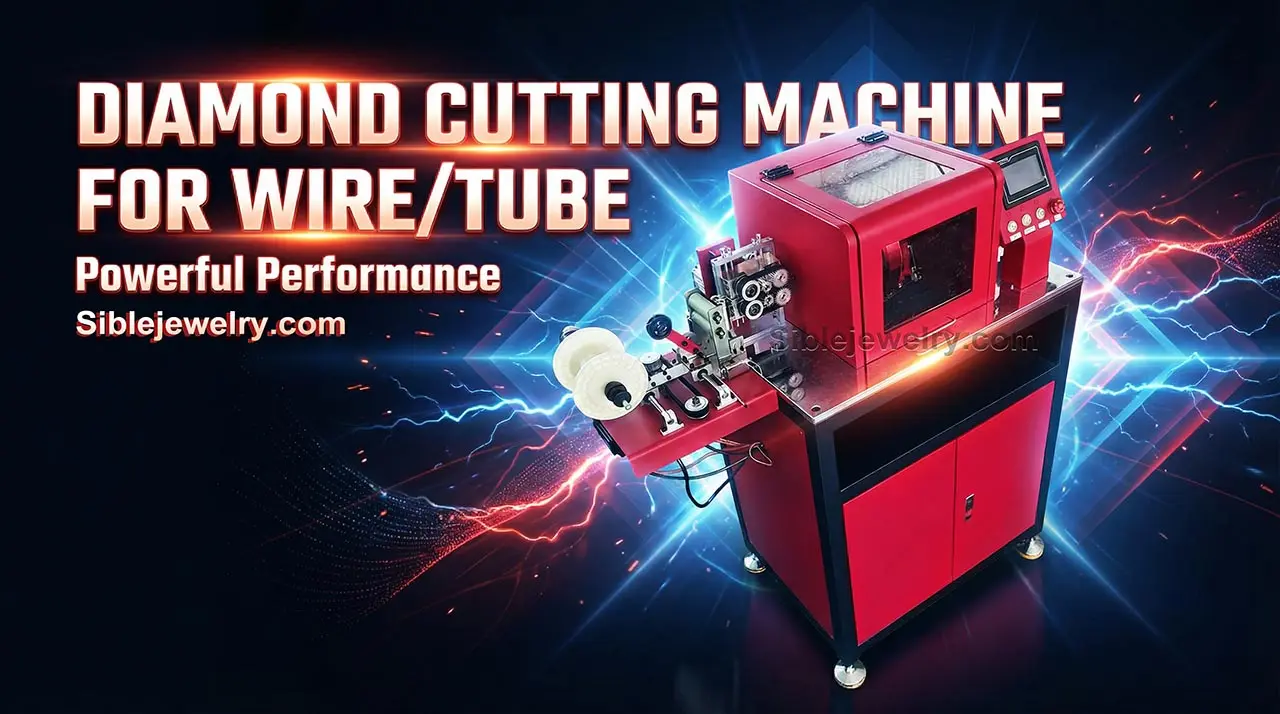
Diamond Cutting Machine for Wire and Tube: Gold, Silver & Copper Processing Complete Guide (2026) If you manufacture jewelry wire or tube for chains, beads, bangles, or decorative components, you know that different metals behave very differently under the diamond cutting tool. Gold is soft but gummy. Silver cuts cleanly but work-hardens fast. Copper and its alloys need specific feed speeds to avoid tearing. Getting the best results from your diamond cutting machine means understanding how to optimize settings for each material — not just running the same program and hoping for the best. In this guide, we'll walk through:
How gold, silver, and copper each behave during diamond cutting
Recommended machine settings for each material
Tool selection and maintenance tips
Common problems and how to fix them
How to keep your diamond cutting machine running reliably for years
1. Material Behavior: Why It Matters for Diamond Cutting
Before you touch a tool to the workpiece, it helps to understand the material you're cutting.
Gold (Au) — Soft, Ductile, Heat-Sensitive
| Property | Typical Value |
|---|---|
| Hardness (annealed 24k) | ~25 HV |
| Melting point | 1,064°C |
| Work hardening | Low (pure gold remains soft) |
| Diamond cutting characteristic | Clean cuts, low tool wear, but prone to burr formation |
Gold is the most forgiving material for diamond cutting. Its low hardness means low tool wear, but its high ductility can create burrs if the cutting edge is not sharp. 22k and 18k gold (alloyed with copper and silver) are slightly harder and cut even cleaner.Key challenge with gold: The material "smears" rather than fractures, so a sharp diamond tool is essential. Dull tools produce fuzzy edges rather than clean reflective facets.
Silver (Ag) — Clean Cuts, Fast Work-Hardening
| Property | Typical Value |
|---|---|
| Hardness (annealed) | ~30 HV |
| Melting point | 961°C |
| Work hardening | Moderate to high |
| Diamond cutting characteristic | Clean reflective cuts, moderate tool wear |
Silver produces some of the cleanest diamond-cut finishes — highly reflective, crisp facets. However, it work-hardens quickly. If you take multiple light passes, each pass cuts material that is harder than the last.Key challenge with silver: Feed rate consistency is critical. If the feed speed varies, the cutting depth changes, producing uneven surfaces. Use CNC-controlled feed systems rather than manual operation for silver.
Copper (Cu) & Copper Alloys — Tough but Rewarding
| Property | Typical Value |
|---|---|
| Hardness (annealed) | ~50 HV |
| Melting point | 1,085°C |
| Work hardening | High |
| Diamond cutting characteristic | Clean but requires higher spindle torque |
Copper is harder than gold or silver, which means lower cutting speeds and higher torque requirements. Copper alloys (brass, bronze) vary widely in hardness depending on composition.Key challenge with copper: Heat management. Copper conducts heat away from the cutting zone rapidly, but the higher cutting forces generate more heat at the tool edge. Without proper cooling, tool life drops significantly on copper.
Comparison Summary
| Material | Cut Quality | Tool Wear | Best Feed Speed | Best Spindle Speed |
|---|---|---|---|---|
| Gold (24k) | ★★★★★ | Low | Moderate | Low–Medium |
| Gold (18k/22k) | ★★★★★ | Very Low | Moderate–Fast | Medium |
| Silver | ★★★★★ | Medium | Moderate | Medium |
| Copper | ★★★★☆ | Medium–High | Slow–Moderate | Medium–High |
| Brass/Bronze | ★★★☆☆ | High | Slow | High |
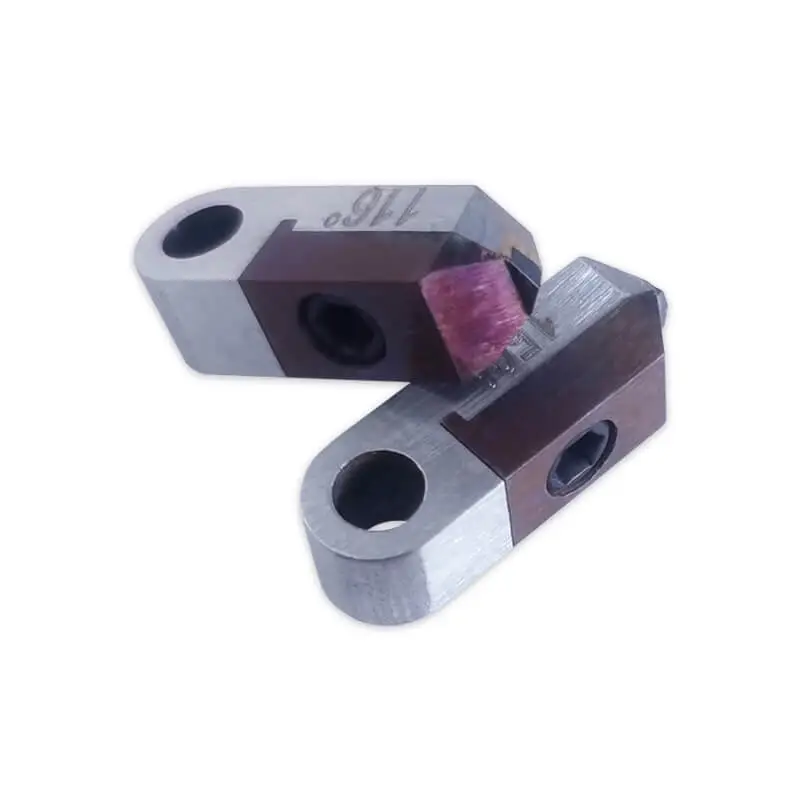
2. Tool Selection & Maintenance: Extend Tool Life by 3x
The diamond cutting tool is the heart of your machine. Here is how to keep it sharp:
Signs Your Diamond Tool Needs Replacement
Surface roughness increases (visible under 10x magnification)
Cutting sound changes (higher pitch = tool dulling)
Increased burr formation on previously clean materials
Motor current draw increases (your machine display shows this)
Tool Life by Material (Typical)
| Material | Tool Life (hours of cutting) |
|---|---|
| 24k Gold | 200–400 hours |
| 18k Gold | 400–600 hours |
| Silver | 150–250 hours |
| Copper | 80–150 hours |
Tool Care Best Practices
Inspect daily: A 10-second visual check under a loupe before each shift catches issues early.
Clean after each use: Metal particles accumulate on the tool face. A soft brush and alcohol clean removes debris without damaging the edge.
Store properly: Diamond tools should be stored in individual holders, not tossed in a drawer. A single knock against another metal tool can chip the edge.
Rotate tools: If you switch between gold and silver frequently, consider dedicated tools for each. Cross-contamination of materials on the tool face can affect cutting quality.
Document usage hours: Keep a simple log. Knowing a tool has 180 hours on it helps you plan replacement before quality drops.
4. Common Diamond Cutting Problems and How to Fix Them
| Problem | Likely Cause | Solution |
|---|---|---|
| Uneven cutting depth | Worn diamond tool or loose tool holder | Replace tool; tighten holder |
| Burrs on gold wire | Tool is slightly dull or feed too fast | Sharpen/replace tool; reduce feed rate by 20% |
| Discoloration on silver | Too much heat (friction) | Increase spindle speed or use coolant |
| Tool chipping | Feed rate too aggressive on hard material | Reduce depth per pass |
| Wire breaks during cut | Material too hard (needs annealing) | Anneal wire before cutting |
| Inconsistent pattern repeat | Feed roller slippage | Clean feed rollers; check tension |
| Vibration marks | Machine not leveled or loose mounting | Level machine; check floor stability |
| Rough finish on copper | Dull tool or insufficient coolant | Replace tool; add coolant |
For more detailed cost and ROI information, see our Diamond Cutting Machine Price Guide.
5. Maintenance Schedule: Keep Your Diamond Cutting Machine Running 24/7
A diamond cutting machine is a precision instrument. Regular maintenance prevents 90% of unplanned downtime.
Daily (10 minutes)
Clean chip collection tray (funnel system)
Wipe feed rollers clean of metal dust
Check diamond tool for chips or dull edge
Verify automatic stop sensor is clean
Listen for unusual bearing sounds
6. Why the Sible Diamond Cutting Machine Excels Across All Materials
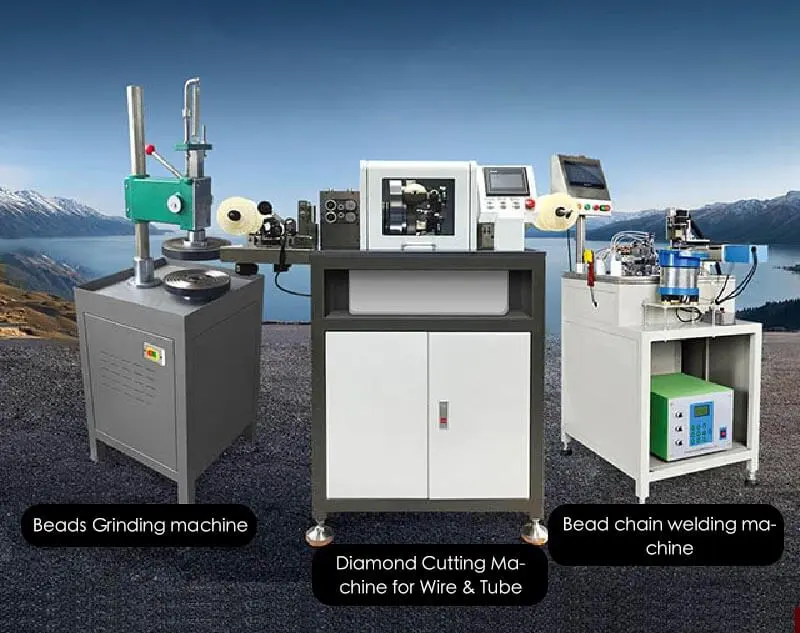
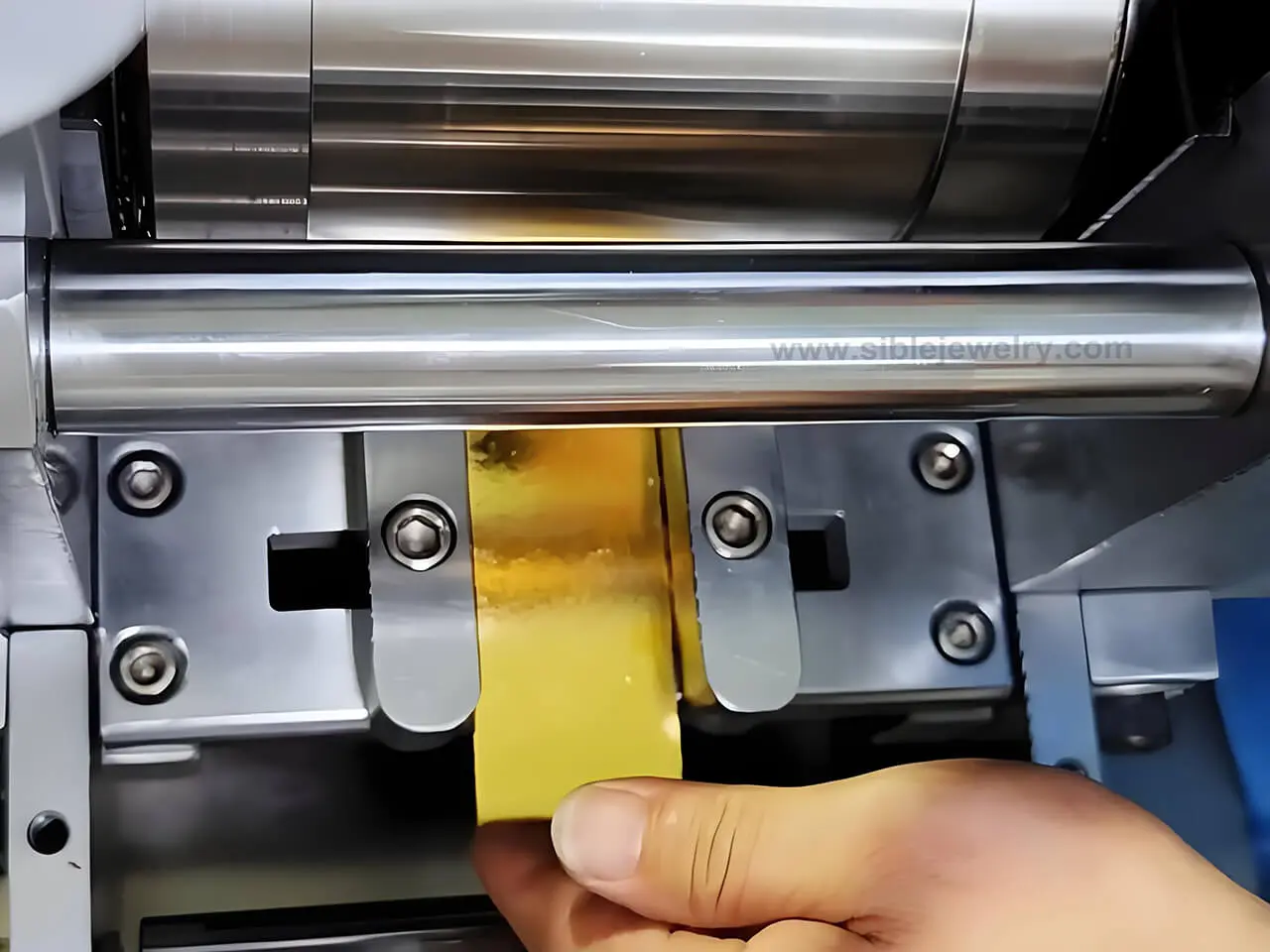
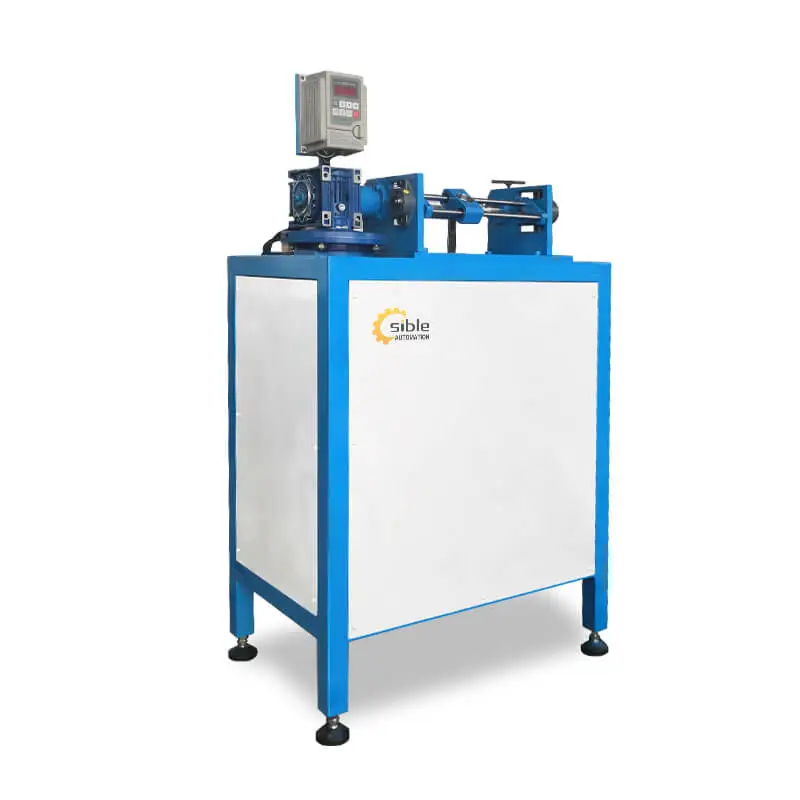
The Sible Diamond Cutting Machine for Wire and Tube is designed to handle the full spectrum of precious and non-ferrous metals used in jewelry manufacturing.
CNC-controlled precision feed — Maintains consistent feed rate regardless of operator skill, critical for silver and copper where feed variation ruins surface quality.
Stabilized spindle system — Reduces vibration at the cutting edge, giving cleaner cuts on all materials from soft 24k gold to harder copper alloys.
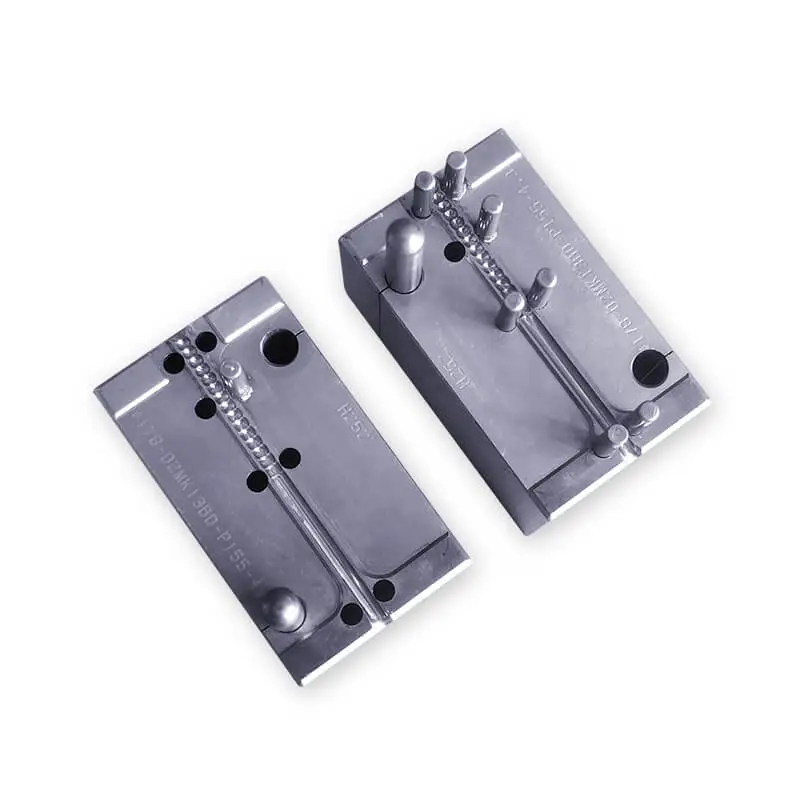
Quick-change mold system — Switches between wire diameters (0.35mm to 4.5mm) in under 15 minutes, with stored CNC programs for each diameter and material combination.
Funnel-type collection — Efficiently collects metal chips from any material, simplifying recycling of gold and silver dust.
Proven in production — Over 14 months of continuous operation in real factories, processing gold, silver, and copper with zero major downtime. Read the full case study with ROI data.
"We process 22k gold, fine silver, and copper wire on the same Sible machine. The CNC program stores separate settings for each material. Switching from gold to silver takes about 2 minutes — select the program, change the tool, and we are running."
— Operations Manager, jewelry components factory, Guangzhou
See how a Malaysian factory uses the Sible Diamond Cutting Machine in their daily production: Malaysia Customer Feedback.
7. From Beginner to Pro: Recommended Learning Path
The Sible Diamond Cutting Machine is designed for operators to master basic operation in approximately 30 minutes — but real expertise comes from understanding how each material behaves.
New to jewelry equipment? Our Beginner's Guide helps you make the right first purchase.
Ready to Upgrade Your Production?
Whether you process gold, silver, copper, or all three, the Sible Diamond Cutting Machine for Wire and Tube gives you the precision, flexibility, and reliability you need to scale your jewelry manufacturing.
→ Read Real Customer Case Studies
About Sible Jewelry Machinery
Sible is a professional manufacturer of jewelry and jewellery processing equipment, serving factories and jewelry brands in 20+ countries worldwide. Every machine comes with installation guidance, spare parts support, and responsive technical service.
Visit Sible Jewelry Machinery Homepage →
Related Articles
Diamond Cutting Machine Price Guide (2026) — Cost breakdown and ROI
Malaysia Factory Feedback: Diamond Cutting Machine Performance — Real user experience
Why Annealing Matters Before Diamond Cutting — Proper wire preparation
Small Factory Owner Case Study: ROI Data — Exact numbers from a real user
Best Jewelry Making Machine for Beginners (2026) — Entry-level equipment guide
Message Online


