
 Tiếng Việt

Best Jewelry Making Machine for Beginners in 2026
Starting a jewelry manufacturing business is both exciting and overwhelming. With so many machines on the market, choosing the right jewelry making machine for your small workshop can feel like a guessing game.
This guide is written specifically for beginners. Whether you are setting up a home studio or renting your first workshop space, you will learn exactly what equipment you need, what mistakes to avoid, and how to build a setup that pays for itself within months.
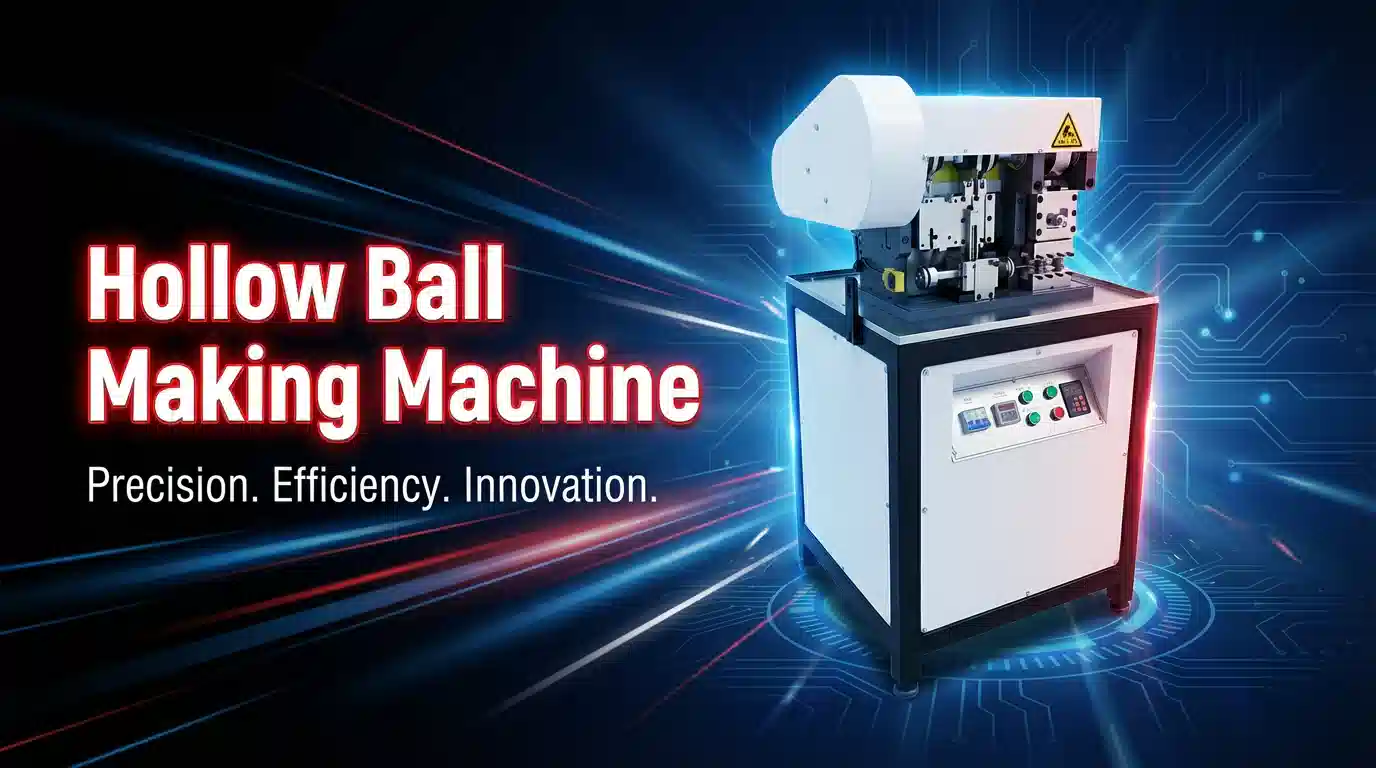
What Equipment Does a Beginner Jewelry Workshop Need?
Many beginners make the mistake of trying to buy everything at once. But a smart jewelry maker starts with the essentials and expands as production grows.
The truth is, not every beginner needs a full industrial production line. What you need depends on what you plan to make.
Essential Equipment for a Small Workshop (Budget under $3,000)
If you are starting with limited capital, focus on machines that handle the most common tasks:
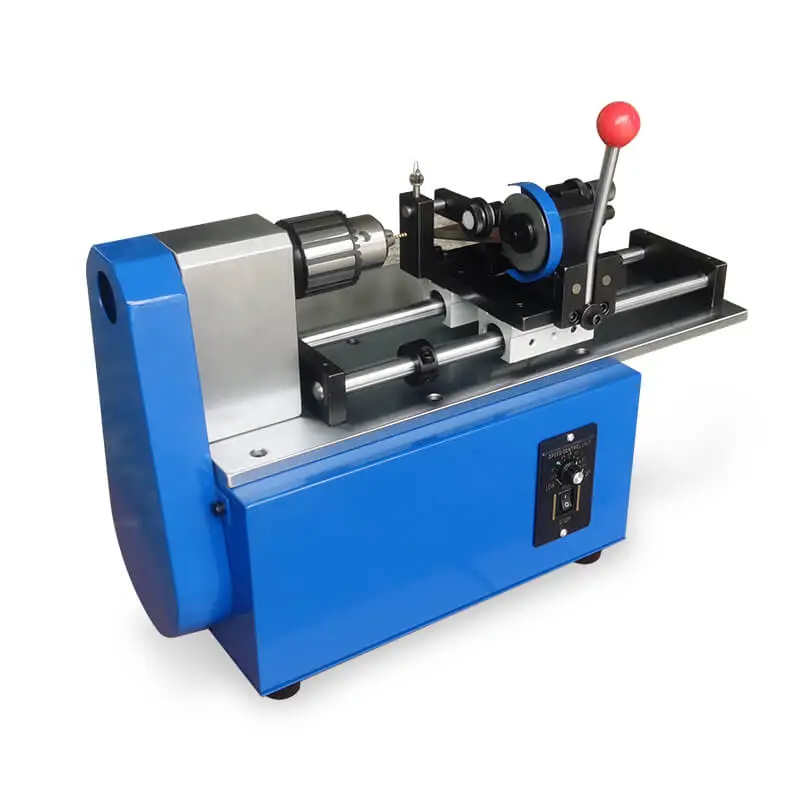
Manual or semi-automatic bead cutting machine — Perfect for producing gold beads and silver beads in small batches. Simple to operate and easy to maintain.
Basic polishing tools — Handheld or bench-mounted polishers for finishing work.
Mold set for common wire sizes — Start with 0.8mm, 1.2mm, and 2.0mm molds, which cover 80% of common jewelry wire applications.
With this setup, a small workshop can produce 1-2 kg of finished beads per day, enough to generate daily revenue of $200-500 depending on your market.
Advanced Equipment for Growth (Budget $5,000-$10,000)
As your orders grow, you will need more capable machines. At this stage, consider adding:
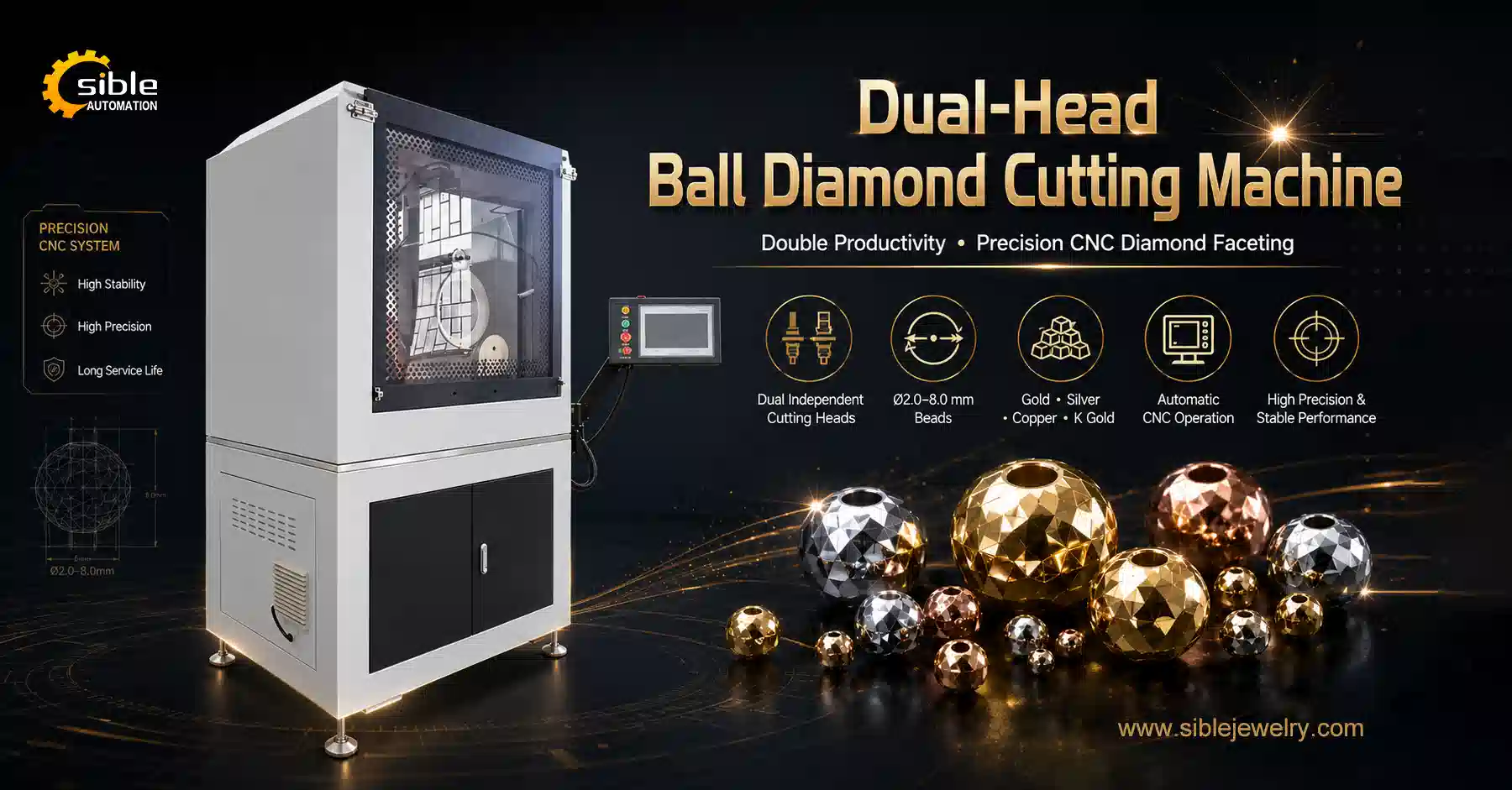
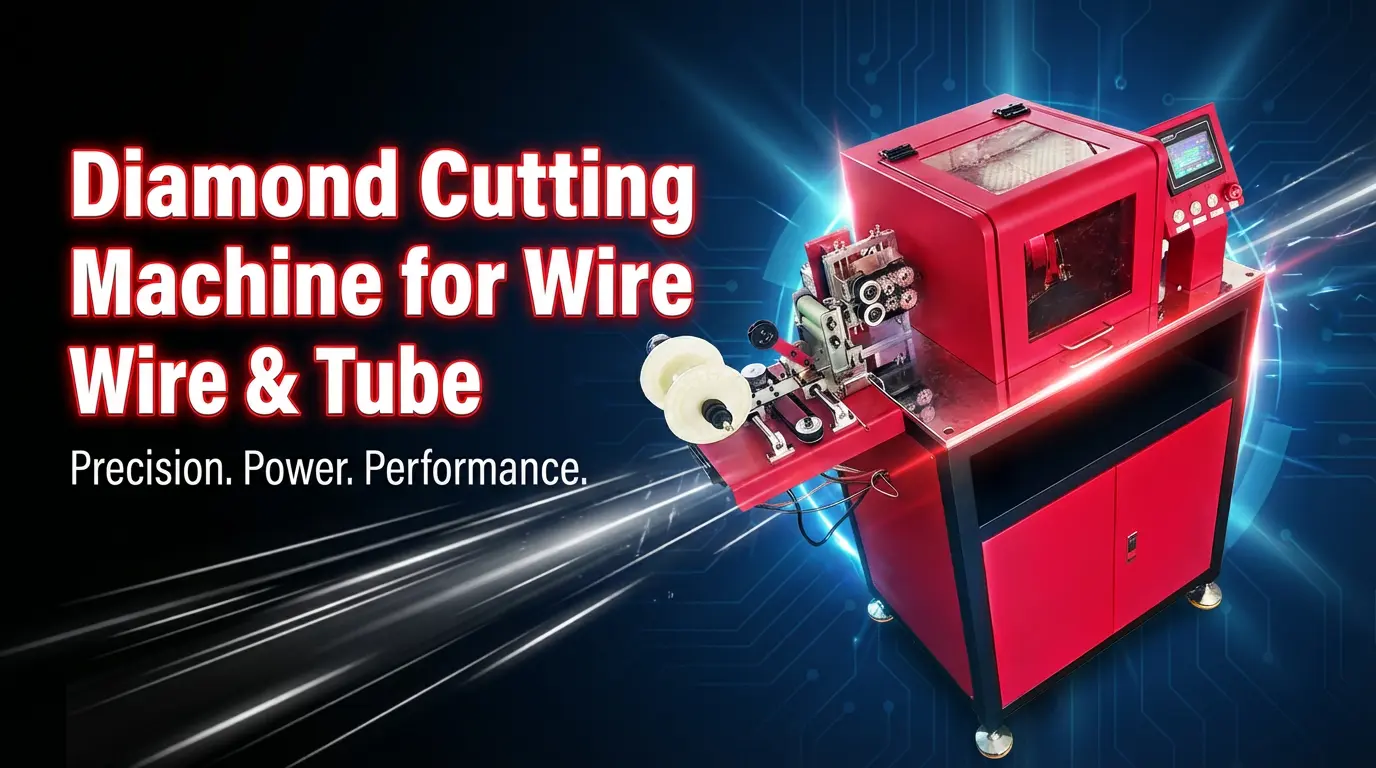
Entry-level diamond cutting machine — Automates the process of creating decorative facets on gold and silver wire. This is the single machine that increases product value the most.
Wire forming machine — Shapes wire into consistent patterns for chains, bangles, and findings.
Automatic bead making machine — If bead production is your main product line, this machine will multiply your output by 5-10 times compared to manual methods.
Many successful workshops follow this exact upgrade path: they start with basic tools, build a customer base, then invest in automation after they have consistent orders.
→ Once you have outgrown your starter setup, our detailed [selection guide] helps you scale
→ Understand the full cost picture in our [diamond cutting machine price guide]
Common Beginner Mistakes to Avoid
Over the years, we have seen hundreds of jewelry makers start their journey. Here are the most common mistakes and how to avoid them.
Mistake 1: Buying Too Much Machine Too Soon
A full-sized industrial diamond cutting machine with conveyor feeding, cooling system, and multi-mold carousel may look impressive, but in a 20-square-meter workshop, it will waste space, electricity, and capital.
Start with a machine that matches your current production volume. A machine that runs at 30% capacity is no better than a smaller machine running at 90% capacity.
Mistake 2: Ignoring Mold Compatibility
Not all molds fit all machines. Some machines use proprietary mold systems, which means you can only buy replacements from the same manufacturer. Before purchasing any machine, confirm:
What mold sizes are available
How much replacement molds cost
How long it takes to receive custom molds
This simple check can save you weeks of downtime later.
Mistake 3: Underestimating Training Time
Even machines advertised as "easy to operate" require hands-on training. Plan for:
2-3 days for basic operation
1-2 weeks for confident independent work
1-2 months for full proficiency on all wire types
Factor training time into your production planning. Do not expect a new machine to run at full capacity in the first week.
Mistake 4: Not Budgeting for Consumables
Many beginners calculate their budget based on the machine price only. But the true cost of ownership includes:
Diamond tool replacements ($100-200 each, typically 4-6 per year)
Cutting fluid ($30-50 per month)
Spare parts (filters, belts, seals — approximately $200 per year)
Electricity (varies by machine, approximately $50-100 per month)
A $5,000 machine may actually cost $6,500-7,000 in its first year when you include consumables.
Three Recommended Entry-Level Combinations
To make the decision easier, here are three proven starter setups based on real beginner budgets.
Option A: Beads-Focused Setup
Perfect for beginners who want to start with gold bead and silver bead production.
Semi-automatic bead cutting machine
Basic mold set (3 sizes)
Manual polishing tools
Estimated cost: $1,800
Daily output: 1-2 kg of finished beads
Payback period: 2-4 months
Best for: Home-based businesses, craft jewelry sellers
Option B: Cutting-Focused Setup
Ideal for beginners who want to produce diamond-cut wire for chain making and decorative components.
Small diamond cutting machine (desktop size)
Basic wire straightener
2 starter molds
Estimated cost: $3,500
Daily output: 3-5 kg of diamond-cut wire
Payback period: 3-5 months
Best for: Small workshops with existing customer base
Option C: All-in-One Starter Combo
For beginners with slightly higher budgets who want a complete production capability from day one.
Entry-level diamond cutting machine
Bead forming attachment
Polishing station
4 molds (most popular sizes)
Estimated cost: $5,200
Daily output: 5-8 kg mixed bead and wire products
Payback period: 4-6 months
Best for: Small workshops targeting multiple product lines
What to Look for in Your First Machine
When evaluating your first jewelry making machine, focus on these three qualities above all else:
Reliability Over Features
A machine with basic features that runs every day is worth more than a machine with advanced features that breaks down often. Read reviews, ask for customer references, and choose proven models.
Supplier Support
Your first machine will require questions, troubleshooting, and training. A supplier who offers remote video support, detailed manuals, and responsive customer service is worth paying extra for.
Room to Grow
Choose a machine that can handle a slightly higher volume than you need today. If you expect to grow 30% per year, buy a machine that can handle 50% more than your current output. This will delay your next upgrade by 12-18 months.
How to Verify Quality Before Buying
Before committing to any machine, take these practical steps:
Request a video demonstration — Watch the machine running in real conditions
Ask for customer contacts — Speak with 2-3 existing customers about their experience
Check spare parts availability — Can you get a replacement part within 48 hours?
Verify certifications — CE certification is a minimum requirement for international buyers
Compare warranty terms — 12 months parts and labor is the industry standard
Frequently Asked Questions
Q: Can I start a jewelry business with a $1,000 budget?
Yes. A manual bead cutting machine and basic hand tools can get you started. Production will be slower, but you can build capital and upgrade later.
Q: How long does it take to learn a jewelry making machine?
Basic operation takes 1-2 days. Becoming fully proficient on multiple wire types takes 2-4 weeks with regular practice.
Q: Is it better to buy new or used?
For your first machine, buy new from a reputable supplier. Used machines may save money upfront but often require repairs that erase the savings.
Q: What is the most profitable jewelry making machine for beginners?
A semi-automatic bead cutting machine offers the fastest return on investment for small-scale production. Its simple operation and low entry cost make it the most beginner-friendly option.
Q: Do I need a workshop or can I run a machine at home?
Small desktop machines can run in a home workspace with proper ventilation and power supply. Larger industrial machines require a dedicated workshop space.
Related Resources
Message Online


