
 Tiếng Việt

Site Visit Report: How a Gold Wire Factory in Shuibei Runs Their Wire Shaping Machine After One Year
A diamond cutting machine is a precision instrument. In the hands of a skilled operator, it transforms plain gold and silver wire into beautifully faceted jewelry components. But like any precision tool, it needs proper care to maintain its performance over years of daily use.
After working with hundreds of jewelry factories across China and Southeast Asia, we have identified the maintenance practices that separate machines running smoothly after five years from those needing major overhauls at year two. This guide compiles those lessons.
Precision-Centric Design Philosophy
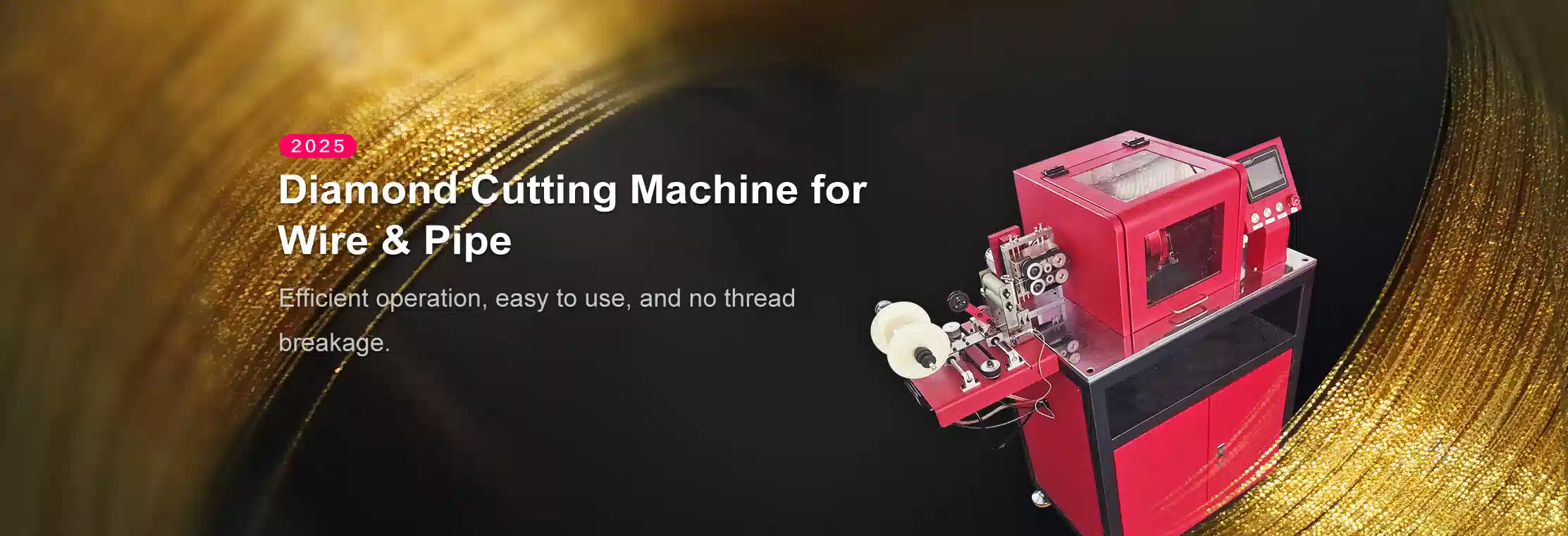
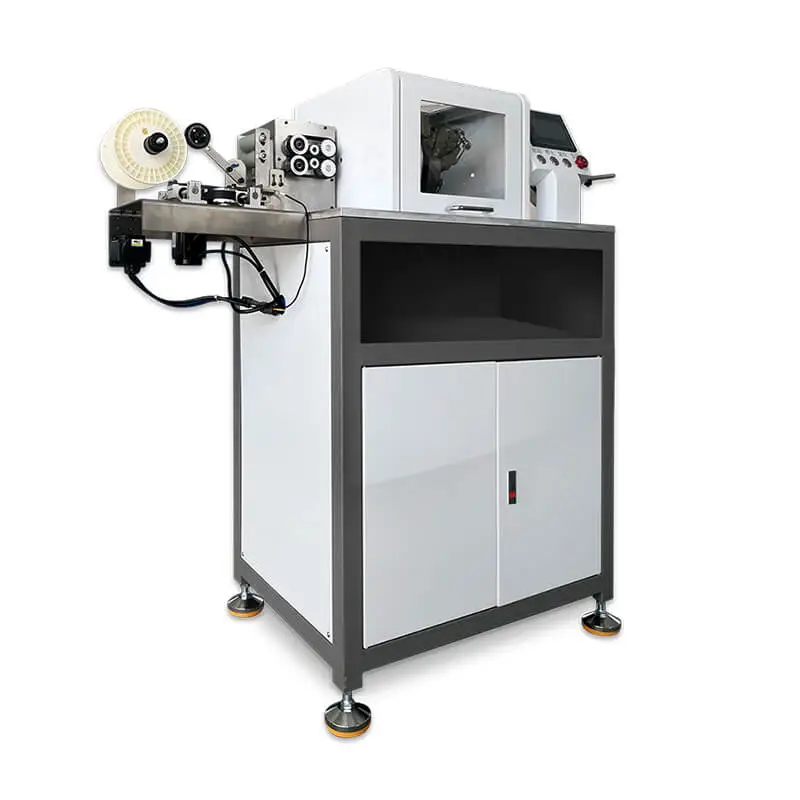
Before discussing maintenance, it helps to understand how a high-quality diamond cutting machine achieves its precision. The Sible machine uses a two-shaft linkage cutting system: one shaft controls the rotation of the workpiece (wire or tube), while the other controls the cutting depth of the diamond tool through a four-shaft linkage integration system.
This design offers several practical benefits:
Stepless speed control: The spindle motor adjusts continuously, allowing the operator to find the exact RPM for different wire thicknesses and materials
Cross-platform wire feeding system: Wheels with rubber-coated surfaces grip the wire evenly, maintaining consistent feed rates across wire sizes from 0.35mm to 4.5mm
Independent electronic control box: Separates the electronics from vibration and dust — a design choice that significantly reduces component failure
CNC controlled depth adjustment: Eliminates the guesswork of manual cutting depth, producing repeatable results across production runs
Daily Maintenance: The 10-Minute Routine
The most important maintenance tasks are the simplest. This daily routine takes 10 minutes and prevents 80% of common machine problems:
Clean the wire track (2 minutes): After each shift, brush away metal dust and debris from the wire feeding track. Accumulated debris causes wire misalignment, which leads to inconsistent cutting depth.
Lubricate the guide rails (2 minutes): Apply a light coat of machine oil to the linear guide rails. Dry rails increase friction and accelerate wear on the sliding components.
Inspect the diamond tool (3 minutes): Examine the cutting edge under magnification. A dull tool produces rough surface finishes and puts extra strain on the spindle motor. Replace when edge wear exceeds 0.1mm.
Check cooling fluid level (2 minutes): Low cooling fluid causes overheating of both the cutting area and the diamond tool, reducing tool life by up to 40%.
Monitor belt tension (1 minute): Listen for unusual whining sounds from the motor area. Loose belts cause vibration, which affects cutting precision.
Weekly Maintenance: The 30-Minute Deep Clean
Once per week, spend 30 minutes on these tasks:
Full machine wipe-down: Remove all metal dust from external surfaces. Metal dust is conductive and can cause electrical shorts if it accumulates inside the control box vents.
Filter inspection: Clean or replace the cooling fluid filter. A clogged filter reduces cooling efficiency by up to 50%.
Screw check: Tighten all visible screws and bolts. Vibration from continuous running gradually loosens fasteners.
Wire feed wheel cleaning: The rubber-coated feed wheels accumulate metal particles over time. Clean with a brass brush to restore grip consistency.
Monthly Maintenance: The Detailed Inspection
Once per month, perform a thorough inspection:
| Component | What to Check | Acceptable Condition |
|---|---|---|
| Spindle motor | Noise level, temperature | Under 70°C after 2 hours running |
| Linear bearings | Smoothness of movement | No sticking or rough spots |
| Diamond tool holder | Clamping force | Tool holds firmly at max speed |
| Control cables | Fraying or wear points | No exposed wires |
| Coolant pump | Flow rate | Steady stream, no sputtering |
| Grounding wire | Connection integrity | No corrosion at connection point |
Troubleshooting Common Precision Problems
Even with proper maintenance, occasional issues arise. Here are the most common problems and how to diagnose them:
Problem: Inconsistent cutting depth across a single wire
Most likely cause: Worn wire feed wheels or accumulated debris in the feed track.
Solution: Clean the track and wipe the feed wheels with a solvent-dampened cloth. If the problem persists, replace the feed wheel rubber inserts.
Problem: Surface finish rougher than usual
Most likely cause: Dull diamond tool or insufficient cooling fluid.
Solution: Check tool edge under magnification. Replace if worn. Then verify coolant level and nozzle alignment.
Problem: Machine vibrates during operation
Most likely cause: Loose mounting bolts or unbalanced spindle.
Solution: Tighten all base mounting bolts. If vibration persists, check spindle bearings for wear.
Problem: Wire jams inside the cutting chamber
Most likely cause: Feed rate too fast for the current wire diameter, or excessive wire curvature.
Solution: Reduce feed rate by 10%. If jams continue, pre-straighten the wire before feeding.
Best Practices for Long Machine Life
Based on feedback from factories that have run Sible machines for 3+ years without major repairs:
Environment matters more than you think
Keep the machine in a clean, dry environment. Humidity above 70% accelerates corrosion on electrical contacts. Temperature above 35°C reduces the lifespan of the motor bearings. A basic air conditioner in the machine room is a worthwhile investment.
Use quality diamond tools
Cheap diamond tools save $10-20 upfront but wear out 2-3 times faster. They also produce inconsistent surface finishes. Invest in quality tools from reputable suppliers — the per-hour cost is actually lower.
Don't ignore small problems
A slight change in cutting sound, a tiny vibration, a small drop in output quality — these signals often precede major failures. Investigate them immediately. The 30 minutes you spend diagnosing a small issue today could save you 3 days of downtime next month.
Document everything
Keep a simple logbook: date, operator name, daily output, any issues encountered, and maintenance performed. After three months, patterns become visible. One factory manager told us his logbook revealed that 80% of his quality issues occurred on the third day after a tool change — a pattern he never would have seen without the data.
When to Call for Professional Service
Some issues require a trained technician. Contact your supplier when you encounter:
Motor failure (smoke, burning smell, complete stoppage)
Control board error codes that don't clear after restart
Spindle bearing noise that doesn't resolve with lubrication
Major coolant leak (streaming, not dripping)
Cutting accuracy deviation beyond 0.1mm that cleaning doesn't fix
The Sible support team typically responds within 2 business hours via WhatsApp/WeChat for remote diagnosis, and can arrange on-site service if needed.
Frequently Asked Questions
Q: How often should I replace diamond tools?
With normal use on gold and silver wire, diamond tools last approximately 3-4 weeks of continuous production. Replace when you notice the first signs of reduced surface quality.
Q: Can I use any coolant fluid, or does it need to be specific?
Use a water-soluble cutting fluid designed for non-ferrous metals. Avoid straight oils — they don't provide adequate cooling and create a mess on the cutting chamber.
Q: How long does the machine last with proper maintenance?
Well-maintained Sible diamond cutting machines typically run 5-8 years without major component replacement. The spindle motor is the most likely component to need replacement, usually around year 5.
Q: Do I need special training to perform maintenance?
Daily and weekly maintenance requires no special training — it is designed to be performed by the machine operator. Monthly inspections benefit from a brief training session with the supplier.
Q: Is preventive maintenance worth the time?
Preventive maintenance costs approximately $200 per year in materials (oil, filters, cleaning supplies). Reactive repairs — downtime, lost production, technician visits — typically cost $2,000-5,000 per incident. The math is clear.
Related Resources


Message Online


