
 Tiếng Việt


How to Choose a Diamond Cutting Machine: 7 Questions to Ask Any Supplier
Choosing a diamond cutting machine is a commitment of capital and time. The spec sheet a supplier hands you looks almost identical on every machine — same spindle, same wattage, same "±0.02mm accuracy" claim. What separates a machine that will run reliably for ten years from one that is a dead expense on day ninety is not in the brochure. It is in the answers you get when you press the supplier on the seven questions below.
This guide gives you the framework a serious production buyer should carry into every supplier conversation. Use it before you shortlist, not after. It takes an afternoon to work through, and it filters out the suppliers who would have cost you months of trouble.
1. "Show me the repeat-accuracy of this machine across a full batch, not just the first piece."
The first piece off a machine is always the best one. What matters is whether the 25th and 100th pieces still hold the same facet geometry. Ask the supplier to demonstrate a batch run and show you the spread — not a single demo cut, but a set of finished pieces side by side.
A good answer: the supplier can state their repeatability in degrees or microns, has a way to measure it (optical comparator, metrology report), and will share the numbers with you. A bad answer: "It's very accurate" with no measurement behind it.
Why this matters to your production: a machine that drifts across a batch will produce inconsistent stone quality, and the cost of sorting bad pieces out of a 500-piece run is real money.
2. "What spindle speed range and coolant system does this machine use, and why those specs?"
This question is not about whether the numbers sound impressive — it is about whether the supplier can explain the engineering behind them. A supplier who knows their machine will tell you the spindle RPM range, the coolant type (oil, water, or hybrid), and the reasoning: what stone size range the machine is tuned for, and how the cooling affects cut quality.
A supplier who just hands you a data sheet without being able to explain why each spec is there is selling the machine, not understanding it.
Why this matters: the right spindle and coolant pairing is what keeps your stones from overheating and cracking. A wrong spec here is a very expensive mistake to discover in the first week of production.
3. "What is the maximum stone size and carat range this machine handles, and what happens if I push beyond it?"
Every machine has a ceiling. Ask where the ceiling is, and more importantly, ask what the machine does when you test that boundary — does it stop cleanly, warn you, or continue cutting in a way that damages the stone?
A good supplier will tell you the exact size limit and will also recommend staying under it. A bad supplier will either not know the limit or will encourage you to "try it, it should be fine."
Why this matters: if your production includes larger stones and the machine you are considering is really tuned for small ones, you will be buying the wrong tool. This single question can save you from a mismatched purchase.
4. "How long is the actual warranty, and what does it cover?"
"We provide a lifetime warranty" is not an answer. Ask for the specifics: how many years on the structure, how many on the spindle, how many on the electronics, what happens if a fault is operator error versus a manufacturing defect, and how fast spare parts ship when something fails.
A supplier who has confidence in their build will give you a clear, bounded warranty and will not flinch when you ask about the claims process. A supplier who is vague here is usually because the warranty they are offering is not one they can actually honor.
Why this matters: the warranty is the contract that governs what happens in year two. Most of the machines you will ever buy will be running long past the demo stage, and the warranty is what protects you then.
5. "Can you share a reference customer who is running this exact model?"
Ask for a name, not a logo. A real manufacturer will give you two or three production customers running the same machine and will let you reach them by phone. Call them. Ask what the machine is doing after six or twelve months — not whether they would recommend the supplier, but whether the machine is still holding tolerance, and what their maintenance experience has been.
If the supplier cannot give you a reference, or the reference is a customer who is not reachable, that is a finding worth noting.
Why this matters: the best evidence that a machine works in the real world is another factory running one. This single step eliminates most of the risk in the purchase.
6. "What does your after-sales support look like, and in what language?"
Ask the supplier to describe, concretely, what happens when your machine breaks down at 3 a.m. and you need a technical answer. A good supplier will tell you: there is a support line, the response time, whether there is remote diagnosis, and in what languages the support team operates. A supplier who says "you can email us" and stops there is describing a support system that will not be there when you need it.
Why this matters: a machine that is down is not just an inconvenience — it is lost production. The speed and quality of the support you get in the first hours after a failure is the difference between a short stop and a full week of downtime.
7. "Can you run a test on our material before we sign the contract?"
This is the question that earns its keep. Send the supplier a short sample of the material you actually work with — the stone grade, the size range, the cut you need — and ask them to run it on the machine and film the whole process. A supplier who is confident in their build will do this without pushback and will send you an unedited clip. A supplier who is not will find a reason why it is not possible.
Before you sign, inspect the finished cut against your own reference. If the supplier's bench cannot hold your quality standard, no contract will fix that.
Why this matters: a machine that performs well on the supplier's own test stone and poorly on your material is a mismatch you will only discover after the machine is in your plant. This one test, run before the contract, catches that mismatch cheaply.
Matching the seven answers to a machine and budget
Once a supplier clears the seven questions, use the production factors to confirm the model you were shown is actually the one that fits:
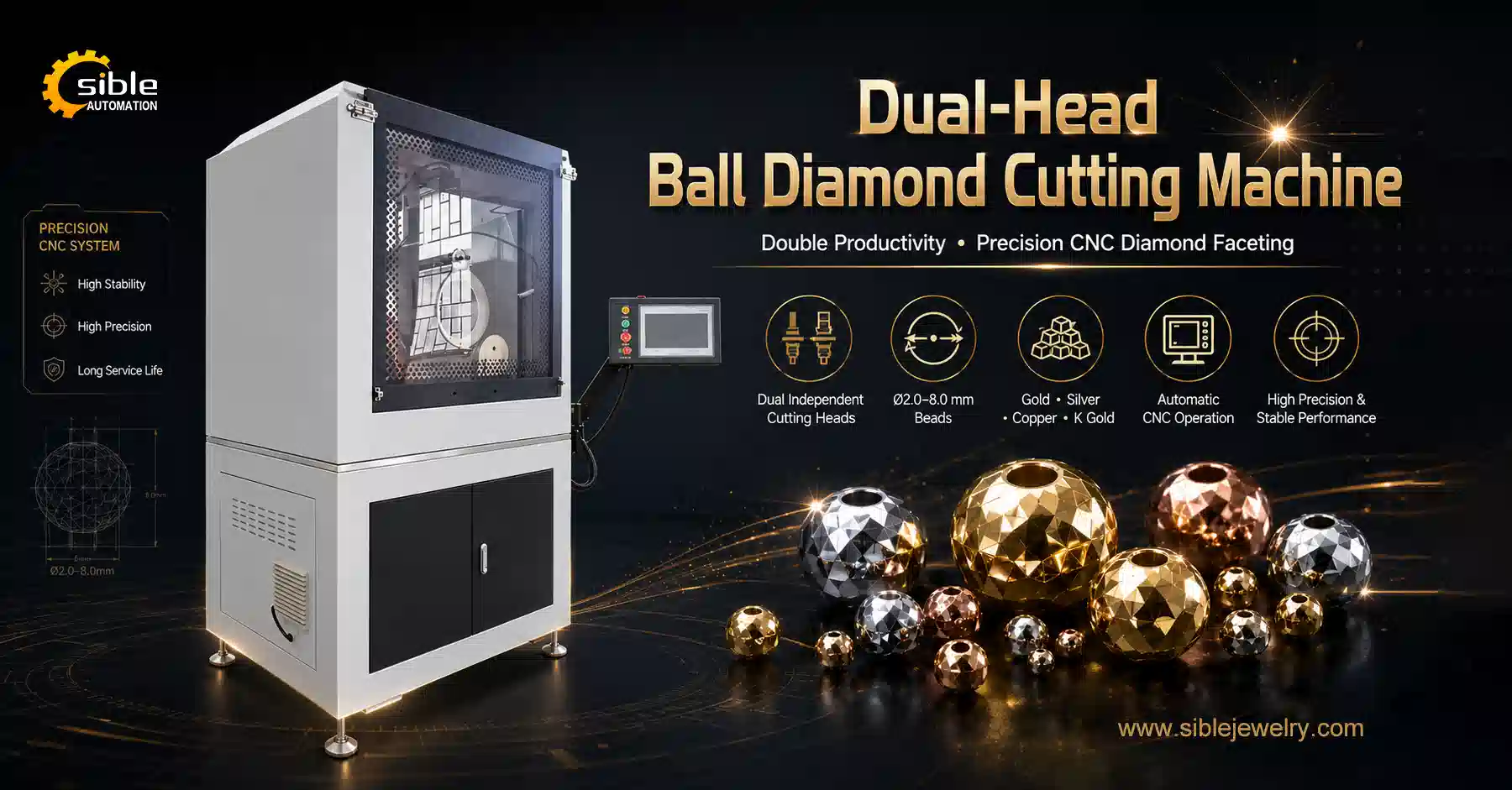
Production volume — High volume (10,000+ pieces/day) favors fully automatic machines with hopper feeding and continuous operation; dual-head models can double output. Low volume or custom work (<1,000 pieces/day) is better served by semi-automatic or manual machines, which carry a lower initial investment.
Material compatibility — Gold (14K–18K) cuts on standard parameters; 24K gold requires adjustable pressure and slower cutting speeds; silver cuts cleanly at moderate speeds; copper and brass are harder, demand more robust machines, and wear tools faster; platinum needs specialized diamond tools and slower speeds.
Product type and cutting requirements — Wire and tube cutting for chain components, jump rings and findings; bead faceting with ball diamond cutting machines (single or dual head by volume); tube decoration with ball-and-tube combination machines; pipe cutting with 4-axis CNC on larger-diameter tubes; and precision engraving for custom designs and logos.
Precision and CNC capability — CNC-controlled servo positioning delivers consistent micron-level accuracy. Look for cutting accuracy of ±0.02mm or better, programmable and recallable patterns, a touchscreen interface, and automatic feeding to reduce labor and keep material feed consistent.
Budget and ROI — Factor in purchase price plus tooling, maintenance, training and expected production lifespan. Indicative ranges: semi-automatic roughly $2,000–$5,000 with 3–6 month ROI; single-head CNC $5,000–$12,000, 6–12 months; dual-head CNC $10,000–$20,000, 8–14 months; multi-function $15,000–$30,000, 10–18 months.
A supplier who answers questions 1–7 credibly will be able to walk through this table with you, model by model, and tell you which row your application actually lands in. Vague answers here, after the supplier has been pressed on the seven questions, are the loudest signal you have.
How to use these seven questions
You do not need to ask all seven in a single call. Start with questions 1, 3 and 7 — they are the ones that will tell you fastest whether the machine fits your application. Then move to 2, 4 and 5 to check the supplier's depth of knowledge and their support commitments. A supplier who answers all seven clearly and offers to run a test on your material is a supplier worth a contract. A supplier who gives you vague answers or resists the test is a supplier to walk away from, regardless of the price.
When you have a shortlist, bring the list to each of them and record the answers in writing. You will be surprised how different the responses are — and how much easier it is to compare two suppliers when you have a written record of what each one told you.
A note on working with trading companies
If you are buying through a trading company rather than directly from the factory, these seven questions still apply — the difference is that the trading company is your point of contact, and you are asking them to get you the answers from the factory that built the machine. That is exactly what a good trading company will do: they have a working relationship with the factory and will pull the technical answers for you. The questions are the same. What changes is who is responsible for getting you a straight answer — and a trading company who cannot answer question 5 or question 7 is not a trading company you want on your side of the transaction.
The short version: the right machine is the one that holds tolerance across your batch, fits your stone size, comes with a warranty you can actually claim, and has a support system that will answer you when something goes wrong. The seven questions above are how you find out whether the machine in front of you is that machine.
Explore the machines this guide is built around
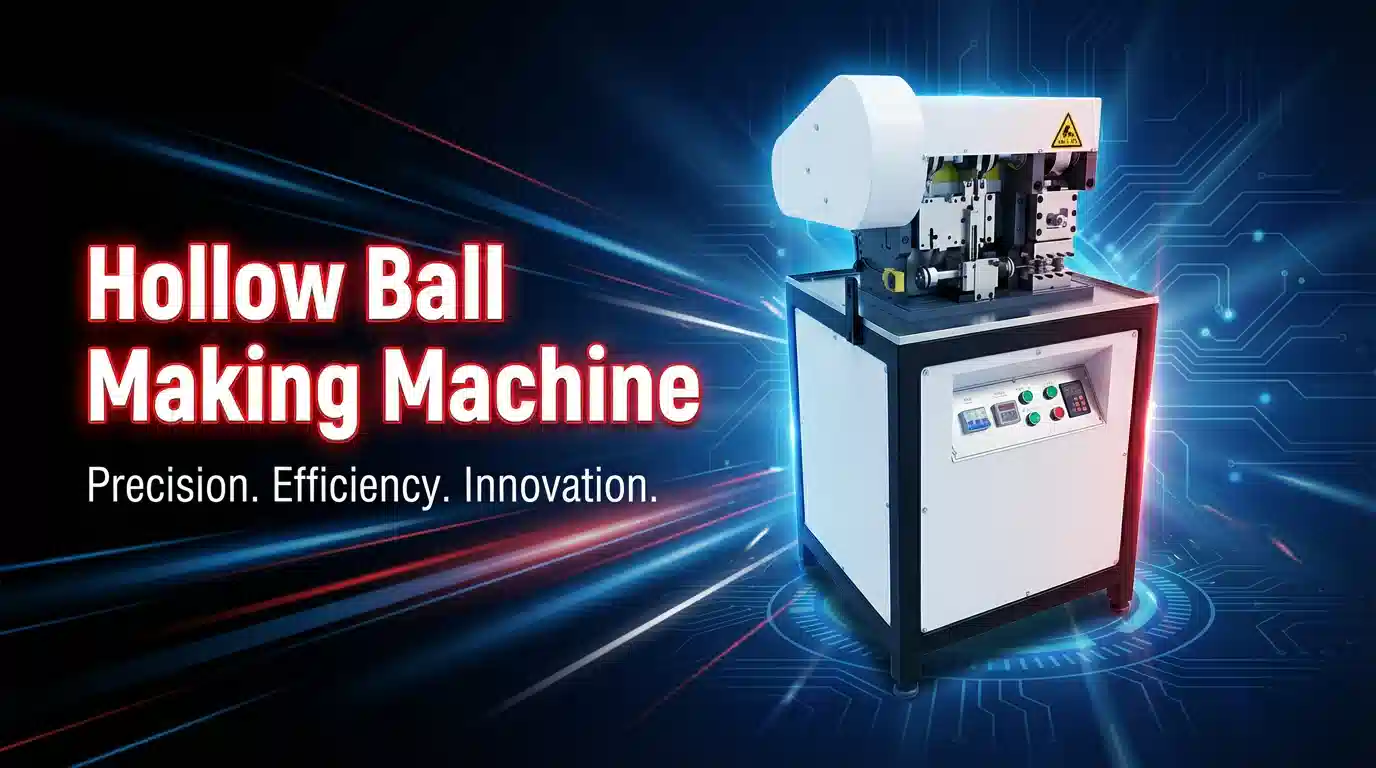
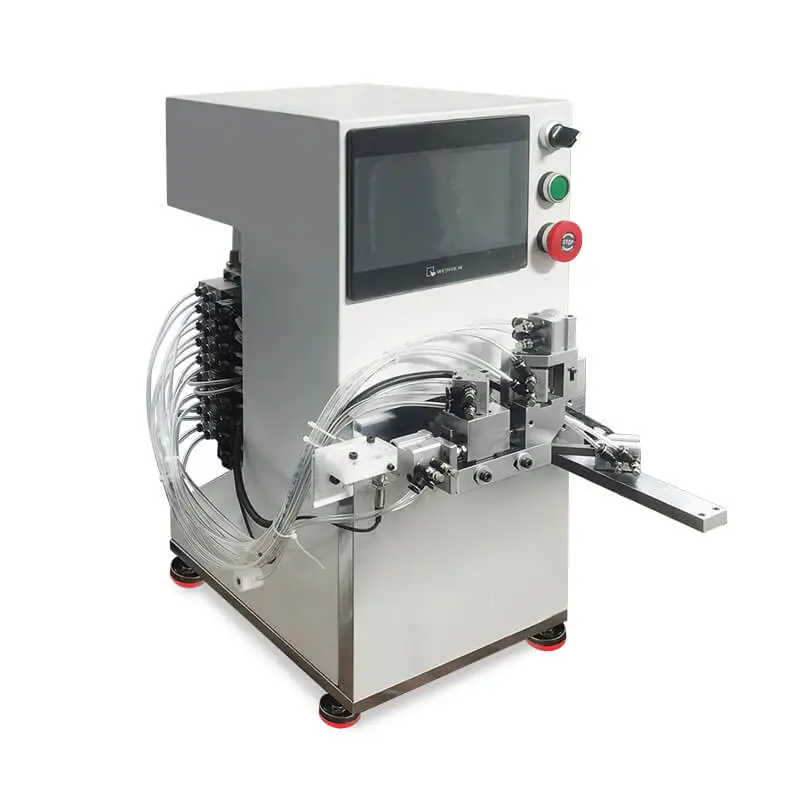
Ball & Bead Diamond Cutting Machines — faceted beads and hollow balls, the machine most jewelry production lines run first.
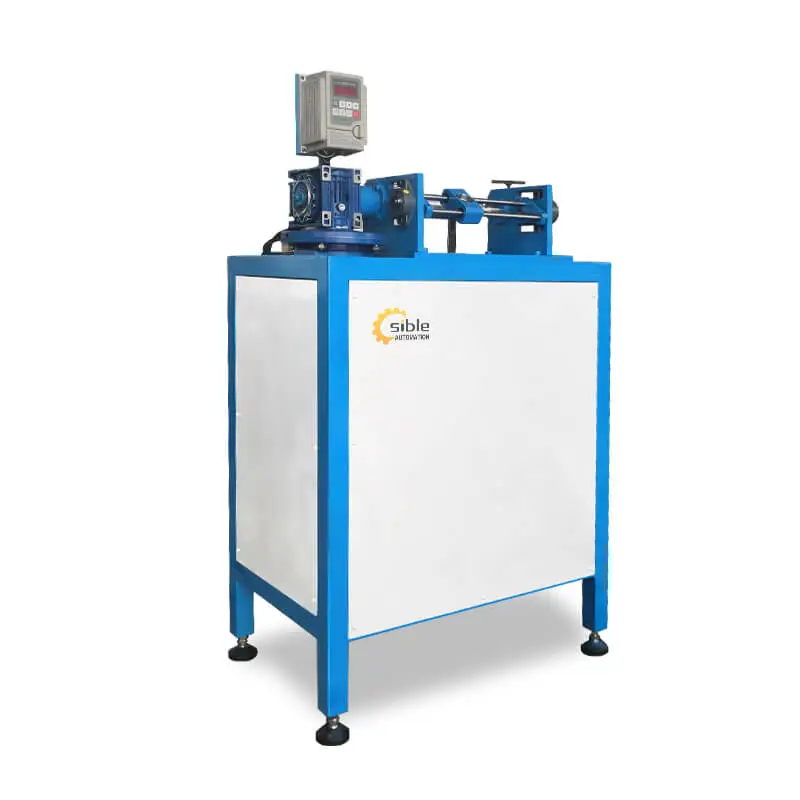
Diamond Cutting Machine for Wire & Tube — the dedicated platform for chain components, jump rings and tube work.
Browse all diamond cutting machine types — compare by capacity, head configuration and automation level.

Message Online


