
 Tiếng Việt

Automatic Hollow Bead Production Solution for Gold, Silver & Copper Jewelry
Sible Jewelry Machinery provides automated jewelry manufacturing equipment for hollow bead forming, bead cutting, surface grinding, and decorative diamond cutting. Our equipment solutions help jewelry factories improve
Project Gallery
Hollow metal beads are widely used in necklaces, bracelets, earrings, bead chains, and other jewelry designs. Compared with solid metal beads of the same size, hollow beads can reduce precious metal consumption while maintaining an attractive appearance and lightweight structure.
Sible Jewelry Machinery provides automated jewelry manufacturing equipment for hollow bead forming, bead cutting, surface grinding, and decorative diamond cutting. Our equipment solutions help jewelry factories improve production efficiency, maintain consistent bead dimensions, reduce manual handling, and develop production processes suited to different bead designs.
Whether you manufacture round gold beads, silver hollow balls, copper beads, or decorative jewelry components, Sible can help you evaluate suitable equipment according to your raw materials, bead dimensions, production targets, and finishing requirements.
Solution Overview
Industry: Jewelry and precious metal manufacturing
Applicable Materials: Gold, silver, copper, and K-gold
Main Applications: Hollow beads, spherical jewelry components, bead chains, necklaces, bracelets, and earrings
Core Equipment: Hollow Ball Making Machine, Ball Making Machine, bead cutting equipment, Ball Bead Grinding Machine, and Ball Diamond Cutting Machine
Production Goals: Consistent dimensions, efficient forming, controlled material consumption, and high-quality surface finishing
The complete equipment configuration depends on the selected manufacturing route. Processes such as tube preparation, hollow bead forming, grinding, and diamond cutting should be evaluated according to the product design rather than treated as identical operations for every bead.
1. Sible Hollow Bead Manufacturing Equipment
A successful hollow bead production line depends on matching each machine to its intended process. Sible offers equipment for bead forming and finishing, allowing manufacturers to select individual machines or plan a coordinated production workflow.
Hollow Ball Making Machine
Designed for automated production of hollow jewelry beads from metal sheet. Depending on the mold configuration, it can produce round balls, oval beads, abacus beads, teardrop beads, and other supported shapes.
Applicable materials: Gold, silver, copper, and K-gold, subject to the machine configuration.
Reference specifications: The Sible Hollow Ball Making Machine supports bead diameters of approximately 1.5–14 mm with customized molds and a working speed of up to 120 pieces per minute.
Ball Making Machine
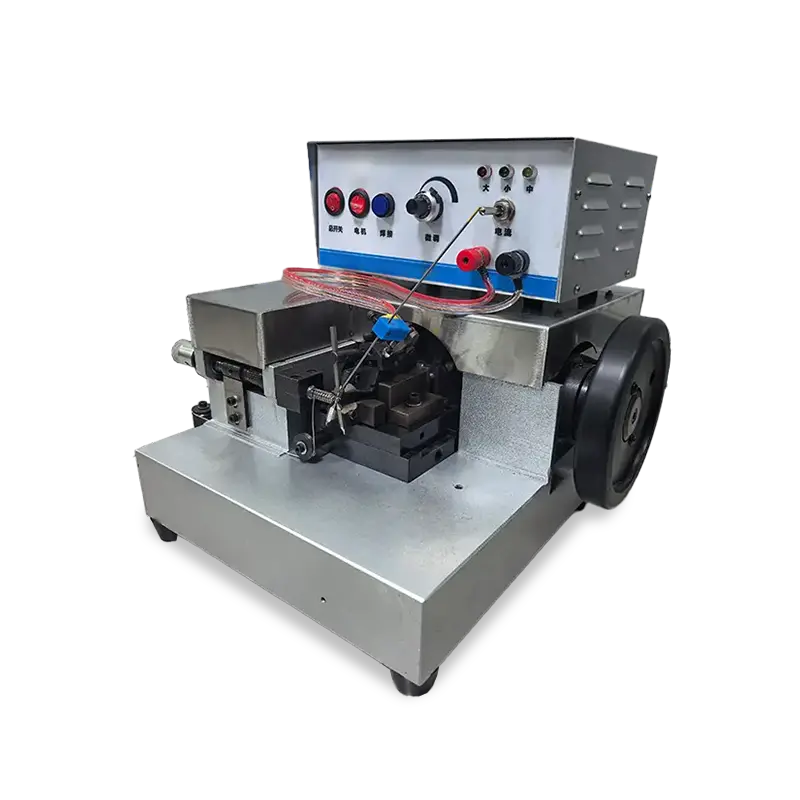
Designed for efficient bead forming from compatible metal tube stock. It integrates automatic feeding, forming, and cutting operations to support consistent output for jewelry factories.
Applications: Round beads and other supported bead shapes for gold, silver, copper, and K-gold jewelry.
Reference output: Up to 120 pieces per minute, depending on bead specifications, material, and production settings.
Ball Bead Grinding Machine
Used for grinding and polishing compatible metal beads after forming or cutting. The finishing process helps remove surface marks and burrs and improve the consistency and brightness of the bead surface.
Applications: Bead surface finishing, grinding, and polishing, according to the machine configuration.
Processing parameters should be selected carefully for lightweight or thin-wall hollow beads to avoid excessive deformation.
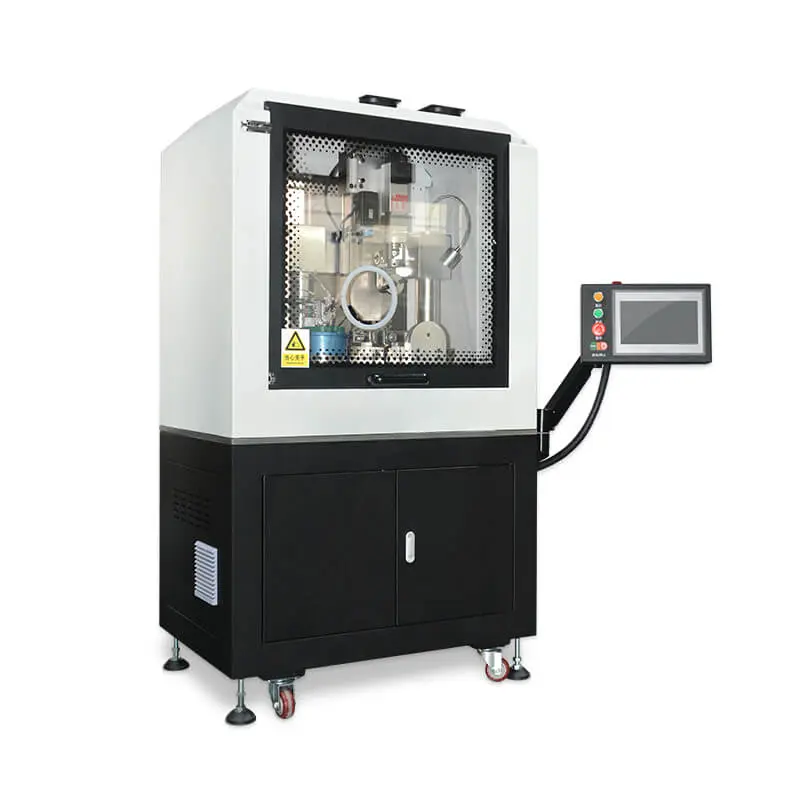
Ball Diamond Cutting Machine
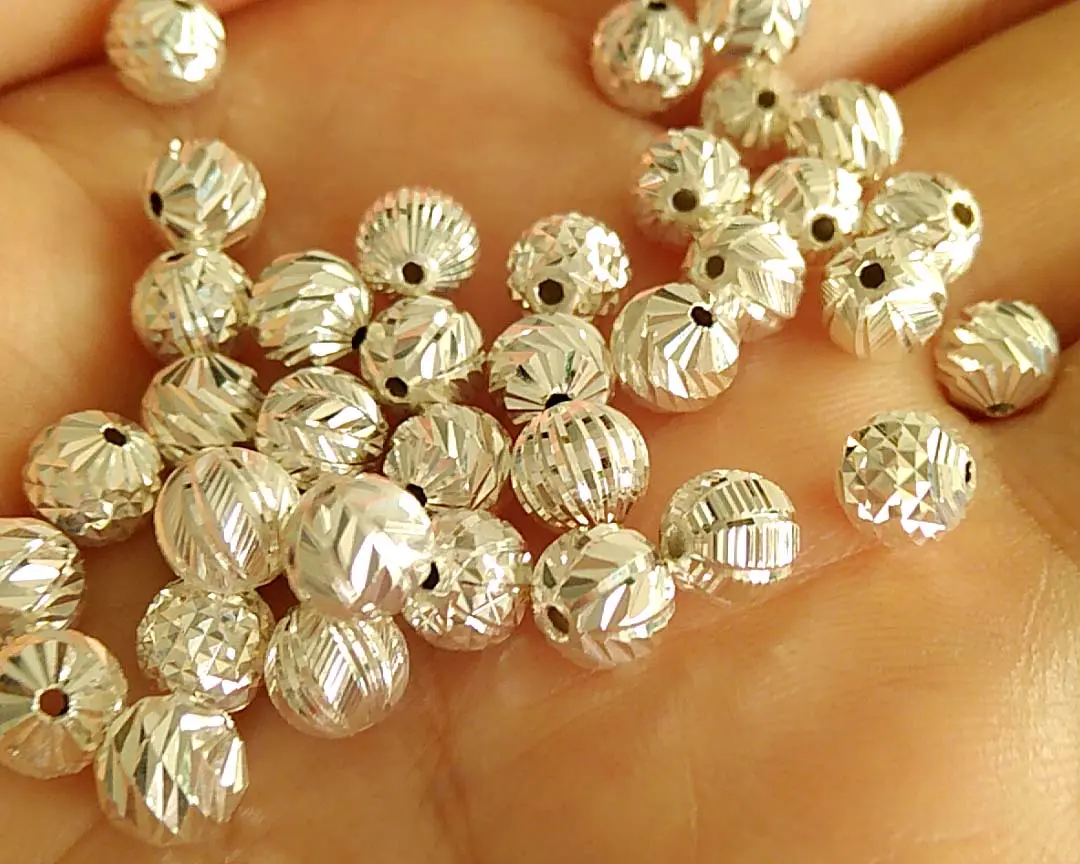
Designed for CNC diamond cutting and decorative patterns on compatible hollow and solid metal beads. It adds faceted surfaces, bright lines, and decorative textures to improve the visual appeal of finished jewelry components.
Applicable materials: Gold, silver, copper, and K-gold.
Reference processing range: Approximately 2–8 mm for the single-head model. Confirm the required range against the selected model and tooling.
Not every production line requires every machine listed above. Sible recommends selecting equipment according to the raw material form, target bead geometry, finishing requirements, and planned production volume.
2. Hollow Bead Production Workflow
The production route for hollow beads depends on whether the starting material is metal sheet or a preformed metal tube. The following workflow illustrates a sheet-to-tube manufacturing route for hollow bead production. For tube-stock processing, the initial sheet preparation and tube-forming stages may not be required.
Step 1. Metal Sheet Preparation and Rolling
↓
Step 2. Strip Cutting and Slitting
↓
Step 3. Hollow Tube Forming and Seam Joining
↓
Step 4. Tube Drawing and Diameter Control
↓
Step 5. Automatic Hollow Bead Forming
↓
Step 6. Bead Cutting and Separation, Where Required
↓
Step 7. Grinding, Polishing, or Shape Correction, Where Required
↓
Step 8. Optional CNC Diamond Cutting and Decorative Finishing
↓
Step 9. Final Inspection and Packaging
Some production routes may use ready-made tubes as the starting material, while others require sheet rolling, slitting, tube forming, and drawing. Grinding and diamond cutting are finishing operations and should be included only when required by the final product design.
3. Key Production Stages and Quality Control
Stage 1. Prepare the Metal Material
Material preparation establishes the foundation for consistent bead production. Gold, silver, copper, and K-gold may require different material handling and processing parameters depending on alloy composition and product specifications.
For sheet-based production, rolling and thickness control help prepare the material for subsequent strip cutting and tube forming. For tube-based production, the incoming tube should meet the required diameter, wall thickness, surface quality, and dimensional consistency.
Check material composition and condition.
Maintain consistent sheet thickness or tube dimensions.
Inspect for scratches, cracks, and surface defects.
Confirm that the material is suitable for the intended forming process.
Stage 2. Form and Size the Hollow Tube
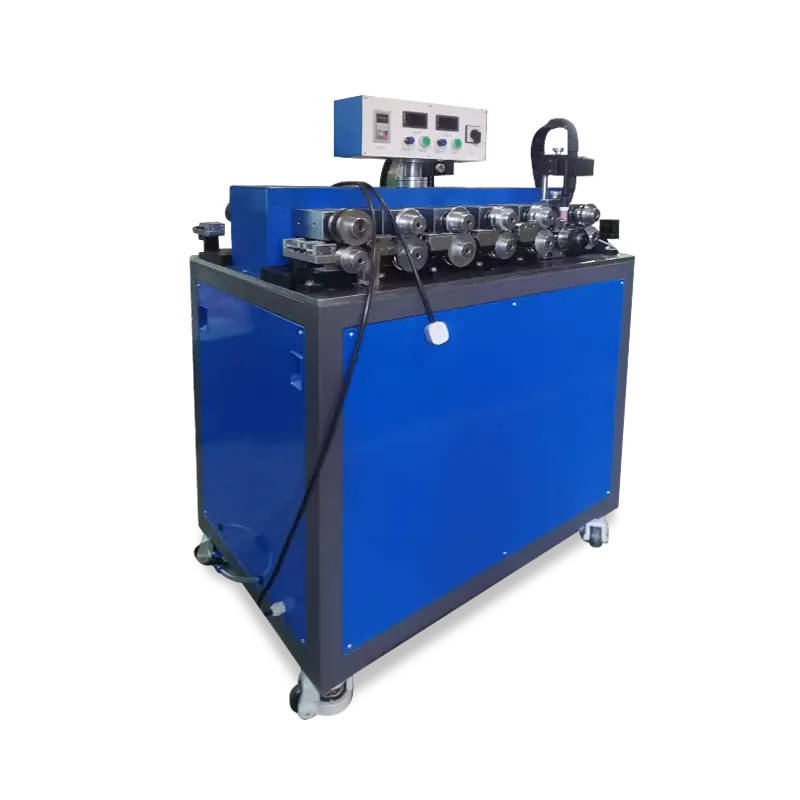
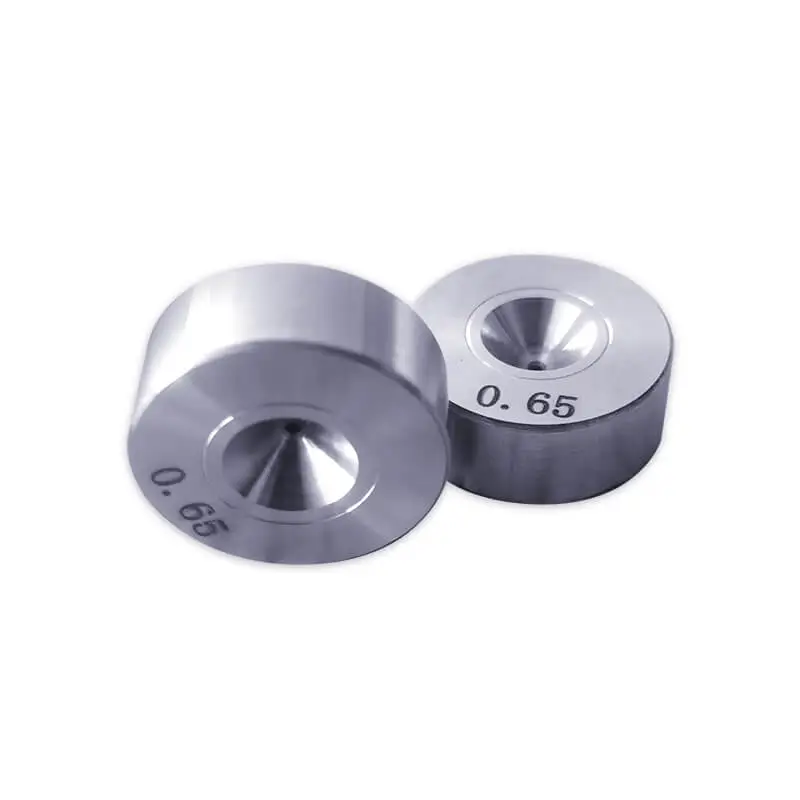
In a sheet-to-tube production route, metal strips are formed into hollow tubes and joined using an appropriate process. Tube drawing can then bring the tube to the required diameter and improve dimensional consistency.
Tube quality directly affects the downstream bead-forming operation. Inconsistent diameters, irregular seams, or uneven wall thickness may lead to unstable forming and variations in the finished beads.
The suitable tube-forming, joining, and drawing equipment should be selected according to the material, target tube dimensions, and production requirements.
Stage 3. Form Hollow Beads Automatically
The hollow bead forming stage converts compatible metal stock into spherical or other supported bead shapes. Sible's Hollow Ball Making Machine and Ball Making Machine serve different material-feed and forming applications.
The Hollow Ball Making Machine is designed for hollow beads formed from metal sheet, while the Ball Making Machine processes compatible tube stock. Selecting the correct machine for the starting material is important for production stability and output quality.
Depending on the machine and mold configuration, the forming process can help improve bead consistency and reduce repetitive manual operations. Actual production speed depends on the bead design, material, mold, and operating conditions.
Stage 4. Cut and Separate Beads
Some production processes require a dedicated bead-cutting operation to separate individual beads from a connected tube or bead strand. The cutting method should match the product geometry and the material's mechanical properties.
Proper cutting helps maintain consistent bead length and clean edges while minimizing deformation and unnecessary material loss. Where the selected machine already integrates cutting into its forming cycle, a separate cutting stage may not be needed.
Stage 5. Grind and Polish the Surface
Grinding and polishing can improve the surface appearance of compatible hollow beads by reducing machining marks, burrs, and minor surface irregularities.
Thin-wall hollow beads require special care. Excessive pressure, unsuitable abrasive media, or prolonged processing may deform the bead or damage its surface. The finishing method should therefore be tested against the actual material, bead size, and wall thickness.
Where a highly polished surface is required, finishing parameters should be adjusted to achieve the target appearance without compromising bead geometry.
Stage 6. Add Diamond-Cut Patterns When Required
For jewelry products that require bright facets or decorative lines, a Ball Diamond Cutting Machine can perform CNC-controlled surface cutting on compatible beads.
The machine is intended for decorative surface processing rather than hollow bead forming. It should be used after the bead has reached a suitable condition for cutting, with the correct mold, clamping method, and cutting parameters.
Possible finishing effects include faceted patterns, bright lines, and customized decorative designs, depending on the machine configuration and tooling.
Learn more about Sible Ball Diamond Cutting Machines →
Stage 7. Inspect Finished Beads
Final inspection helps verify that the finished beads meet the agreed product specifications. The inspection criteria should reflect the intended application and customer requirements.
Dimensions: Check bead diameter, length, and dimensional consistency.
Shape: Inspect roundness, symmetry, and signs of deformation.
Surface: Look for scratches, dents, burrs, and visible machining defects.
Decorative finish: Confirm that the cutting pattern and surface brightness meet the design requirements.
Batch consistency: Compare representative samples against the agreed quality standard.
4. Common Hollow Bead Production Challenges
| Production Challenge | Possible Cause | Recommended Action |
|---|---|---|
| Inconsistent bead dimensions | Variations in raw material, tube diameter, or mold setup | Check incoming material and verify the mold and machine settings. |
| Deformed or flattened beads | Unsuitable forming or finishing pressure | Review forming parameters and validate the finishing process. |
| Scratches and surface marks | Tool wear, contaminated media, or improper handling | Inspect tooling, improve cleaning, and optimize material handling. |
| Uneven cutting patterns | Incorrect clamping, tool alignment, or cutting settings | Check the fixture, cutting tool, and CNC parameters. |
| Excessive material waste | Poor cutting-length control or unsuitable process settings | Review material preparation, feeding, cutting, and process setup. |
| Unstable production output | Inconsistent materials, setup, or maintenance | Standardize operating procedures and perform routine equipment checks. |
Production issues should be diagnosed using actual samples and process data. Adjusting one variable at a time makes it easier to identify the cause and establish repeatable production settings.
5. Benefits of an Automated Hollow Bead Production Solution
Improved Production Efficiency
Automated feeding, forming, and cutting functions can reduce repetitive manual operations and help manufacturers process larger quantities of beads with more consistent production routines.
More Consistent Product Quality
Suitable molds, controlled machine settings, and standardized inspection procedures help maintain bead dimensions and surface quality across production batches.
Better Material Utilization
Appropriate material preparation, tube sizing, cutting control, and process planning can help reduce avoidable scrap and improve the utilization of precious metals.
Flexible Product Development
Different mold and tooling configurations can support a range of bead shapes and dimensions. Compatibility and changeover requirements should be confirmed for each machine and product specification.
Scalable Manufacturing
Manufacturers can select equipment according to their current output and expand the production process as demand grows. A suitable configuration can help balance equipment investment, operator workload, quality control, and production capacity.
6. Applications of Hollow Metal Beads
Sible's bead production and finishing equipment can support a range of jewelry manufacturing applications, subject to the selected machine and tooling configuration.
Hollow gold beads for necklaces and bracelets
Silver hollow beads for fashion and fine jewelry
Copper and K-gold decorative beads
Round and other supported shaped beads
Bead chains and decorative jewelry components
Diamond-cut metal beads with bright facets and patterned surfaces
Customized bead designs for jewelry brands and OEM production
For customized products, provide the bead drawing, material, dimensions, wall thickness where applicable, and target surface finish so that the appropriate machine and tooling can be evaluated.
7. Why Choose Sible Jewelry Machinery?
Sible Jewelry Machinery is a jewelry equipment manufacturer and solution provider serving jewelry factories, workshops, traders, and OEM jewelry businesses worldwide.
Equipment Selection
Identify suitable bead forming, cutting, grinding, and decorative finishing equipment according to the production process.
Production-Focused Solutions
Evaluate material, bead dimensions, tooling requirements, output targets, and quality expectations before selecting a machine configuration.
Technical Support
Access installation guidance, operator training, spare parts support, and after-sales communication according to the purchased equipment and service terms.
Global Customer Service
Work directly with Sible to discuss equipment specifications, production requirements, customization options, and international purchasing arrangements.
Our goal is to help jewelry manufacturers build a practical production setup that balances efficiency, product consistency, material utilization, and long-term operating requirements.
8. Frequently Asked Questions
Q1. What machines are needed for hollow bead production?
The required equipment depends on the starting material and production route. A sheet-based process may require rolling, slitting, tube forming, and drawing equipment before bead forming. A tube-based process may start directly with compatible tube stock. Bead cutting, grinding, polishing, and diamond cutting are added when required by the product design.
Q2. What is the difference between a Hollow Ball Making Machine and a Ball Making Machine?
Sible's Hollow Ball Making Machine is designed to form hollow beads from metal sheet, while its Ball Making Machine processes compatible tube stock. The appropriate choice depends on the raw material form, target bead design, and required production process.
Q3. Which materials can Sible bead machines process?
Depending on the selected model, Sible equipment can process gold, silver, copper, and K-gold. Material compatibility, alloy condition, and processing specifications should be confirmed before ordering.
Q4. What bead sizes can the machines produce?
The supported size range varies by machine, mold, and product shape. For example, Sible's Hollow Ball Making Machine lists a reference bead diameter range of approximately 1.5–14 mm. Please confirm the required diameter and shape against the specific machine model.
Q5. Can hollow beads be ground and diamond-cut after forming?
Yes, compatible beads may undergo grinding or polishing to improve surface quality. Diamond cutting can be added when decorative facets or bright patterns are required. Each process must be suitable for the bead geometry and wall thickness to avoid deformation or surface damage.
Q6. Can Sible provide a customized equipment solution?
Sible can help evaluate machine and tooling requirements based on your material, bead dimensions, production volume, and finishing expectations. Share your product drawings, photos, or samples to help determine the appropriate configuration.
Q7. What information should I provide when requesting a quotation?
Please provide the metal type, starting material form, bead shape, diameter, wall thickness where applicable, target production output, and required surface finish. Photos, drawings, and details of your existing production process are also helpful.
Looking for a Hollow Bead Production Solution?
Tell Sible about your jewelry bead products, raw materials, dimensions, production targets, and finishing requirements. Our team can help you evaluate suitable equipment for your manufacturing process.
Discuss Your Requirements with Sible
Equipment Selection · Production Planning · Technical Support · International Supply

message online
Looking for a custom setup for your jewelry factory? Sible's engineering team provides full-service technical consulting, customized tooling designs, and global video-guided installation support.


