
 Tiếng Việt

Bracelet Diamond Cutting: Techniques, Patterns, and Production Tips for Jewelry Manufacturers
Bracelet Diamond Cutting: Techniques, Patterns, and Production Tips for Jewelry Manufacturers
Bracelet diamond cutting is one of the most popular decorative processes in modern jewelry manufacturing. By cutting precise, reflective patterns into the surface of gold, silver, and copper bracelets, manufacturers can significantly increase the perceived value of their products without adding material. This guide explains the main cutting techniques, popular pattern types, and practical production tips to help jewelry factories achieve consistent, high-quality results.

Why Diamond Cutting Adds Value to Bracelets
Diamond cutting creates small, angled facets on the bracelet surface that catch and reflect light. Unlike simple engraving, a properly executed diamond cut produces a bright, mirror-like finish that makes the bracelet appear more refined and expensive. For manufacturers, this means:
Higher perceived product value and stronger selling points
Better light reflection and visual appeal compared with plain surfaces
Differentiation from mass-produced, un-decorated bracelets
Ability to create branded or custom pattern lines
Because the process removes only a tiny amount of material, material loss is minimal, making diamond cutting one of the most cost-effective decoration methods available.
Common Bracelet Diamond Cutting Techniques
Manual Diamond Cutting
In manual cutting, an experienced craftsman guides a diamond-edged tool along the bracelet surface to create each facet. This method offers maximum flexibility for custom and one-off designs, and is commonly used for high-end pieces where individual craftsmanship is part of the product story. The main limitation is speed: output is limited by the skill and pace of the operator.
Semi-Automatic Diamond Cutting
Semi-automatic machines assist the operator by controlling the cutting path and depth while the craftsman positions the bracelet. This approach balances speed and flexibility, making it suitable for small to medium batch production of round bracelets with consistent patterns.
CNC Automatic Diamond Cutting
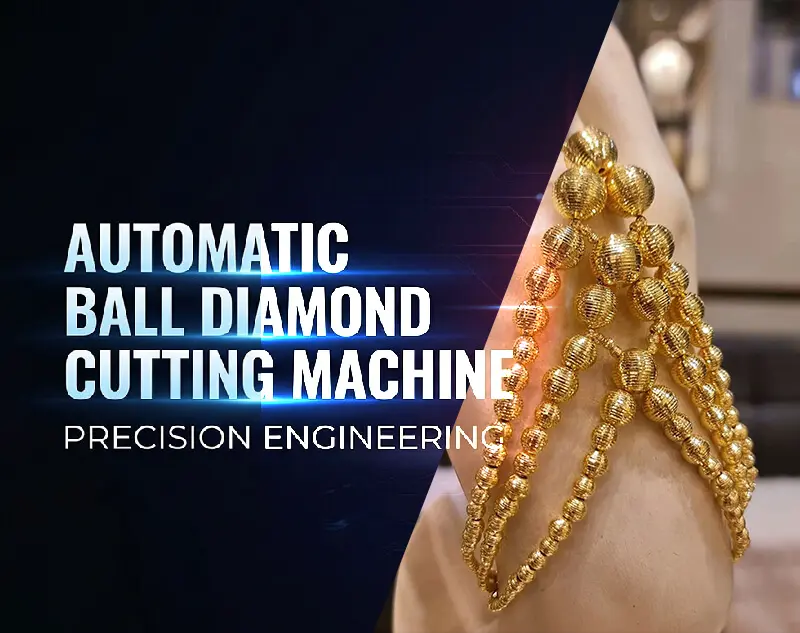
CNC-controlled machines cut patterns automatically according to programmed parameters. They deliver the highest consistency and production speed, and are the best choice for large-volume production. Modern CNC systems can store multiple pattern programs and switch between them quickly, allowing a single machine to produce a wide range of designs.
Popular Diamond Cutting Patterns for Bracelets
Different patterns create different visual effects. The following are the most commonly requested bracelet patterns in jewelry manufacturing:
Straight-line cuts along the bracelet body, producing a clean, modern look
Diagonal and cross patterns that increase light reflection from multiple angles
Spiral and wave patterns for a softer, more decorative appearance
Segment patterns that divide the bracelet into equal visual sections
Custom brand or logo patterns for branded product lines
The choice of pattern depends on the target market, bracelet width, and the style direction of the collection. Most manufacturers keep a library of proven patterns and develop new ones for special orders.
Production Tips for Consistent Quality
Start with Annealed Material
Bracelet material should be properly annealed before diamond cutting. Annealing softens the metal, reduces tool wear, and prevents cracking or rough edges during cutting. Cutting hard, un-annealed material produces poor surface quality and shortens tool life.
Maintain Correct Cutting Depth
Cutting depth must be controlled carefully. Too shallow a cut produces a weak, dull pattern; too deep a cut weakens the bracelet structure and increases material loss. Machine parameters should be tested on sample pieces before production runs.
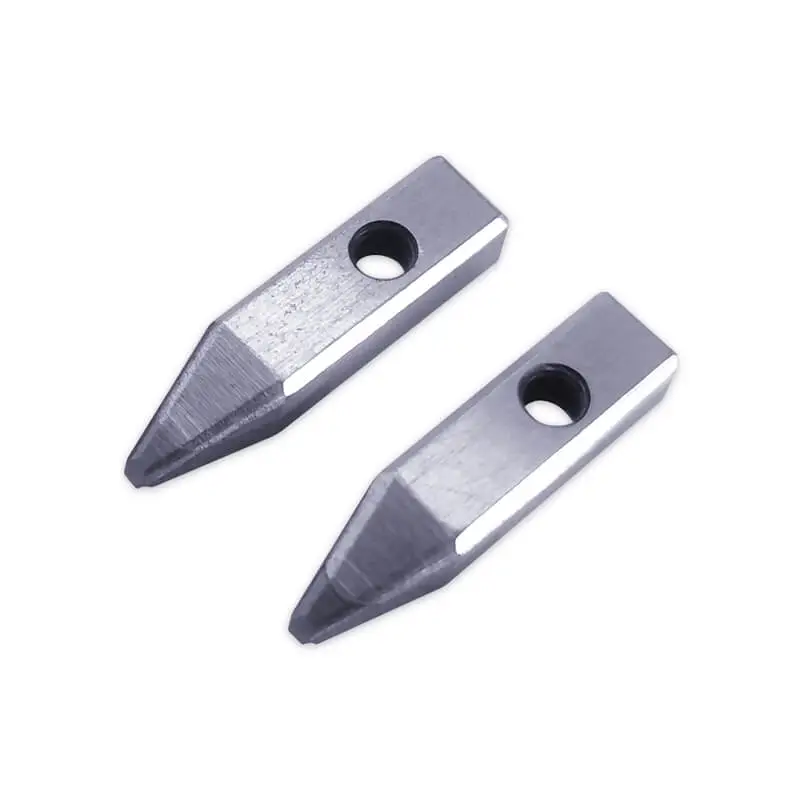
Keep Diamond Tools Sharp
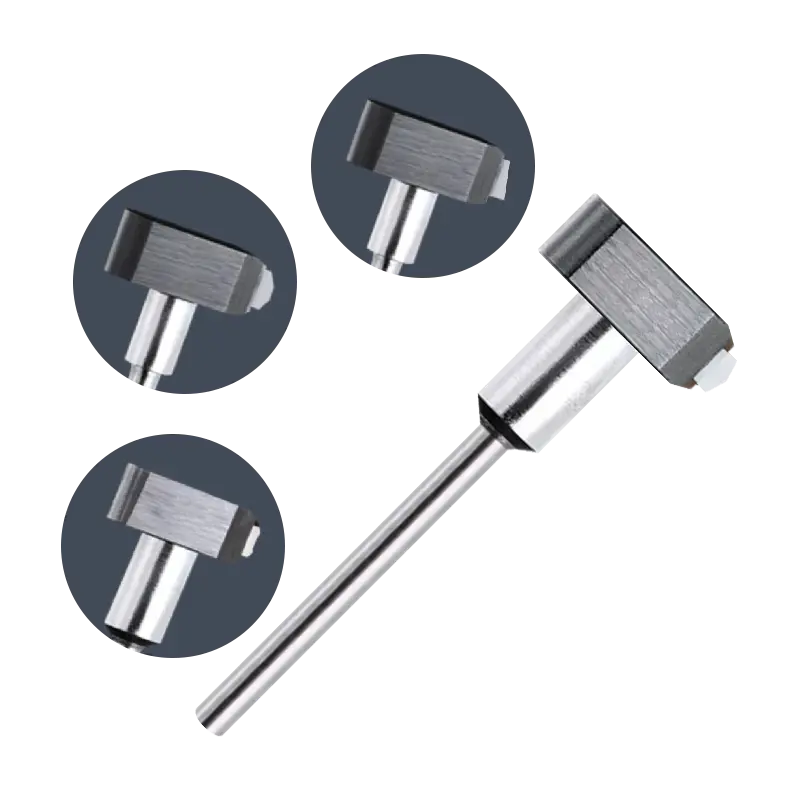
A sharp, properly dressed diamond tool is essential for bright, clean facets. Worn tools cause inconsistent patterns and dull surfaces. Establish a regular tool inspection and replacement schedule based on production volume.
Secure the Bracelet Firmly
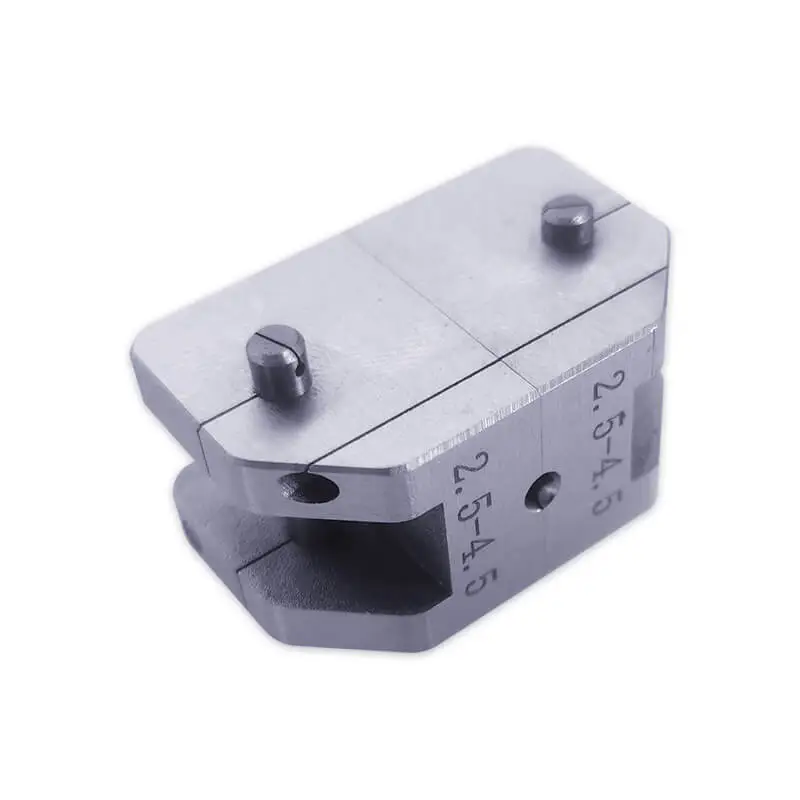
Any movement during cutting will ruin the pattern. Use appropriate fixtures or clamps to hold round bracelets securely, and verify positioning before starting each batch.
Clean Between Operations
Metal dust and debris accumulate during cutting and can scratch finished surfaces. Clean the bracelet surface between cutting stages and at the end of the process to protect the mirror finish.
Choosing the Right Equipment
For factories producing round bracelets in medium or large volumes, a semi-automatic or CNC diamond cutting machine is the recommended investment. Key factors to compare when selecting equipment include:
Processing range – the bracelet sizes and thicknesses the machine can handle
Pattern flexibility – whether new patterns can be programmed or must be ordered from the supplier
Production speed and consistency at target volumes
Ease of operation and the training required for operators
After-sales support, spare parts availability, and warranty terms
Complete Bangle Production Line from Sible
Sible Jewelry Machinery provides a complete range of equipment for bangle and bracelet production:
Bangle Mirror Polishing Machine
A semi-automatic polishing machine that delivers a brilliant mirror finish on round bracelets after cutting, enhancing surface quality and product value.
Related Product: Bangle Mirror Polishing Machine
Channel Coiling Machine
Forms bracelet, ring, and earring shapes from flat strip material, providing a precise starting point for cutting and finishing.
Related Product: Gold & Silver Channel Coiling Machine
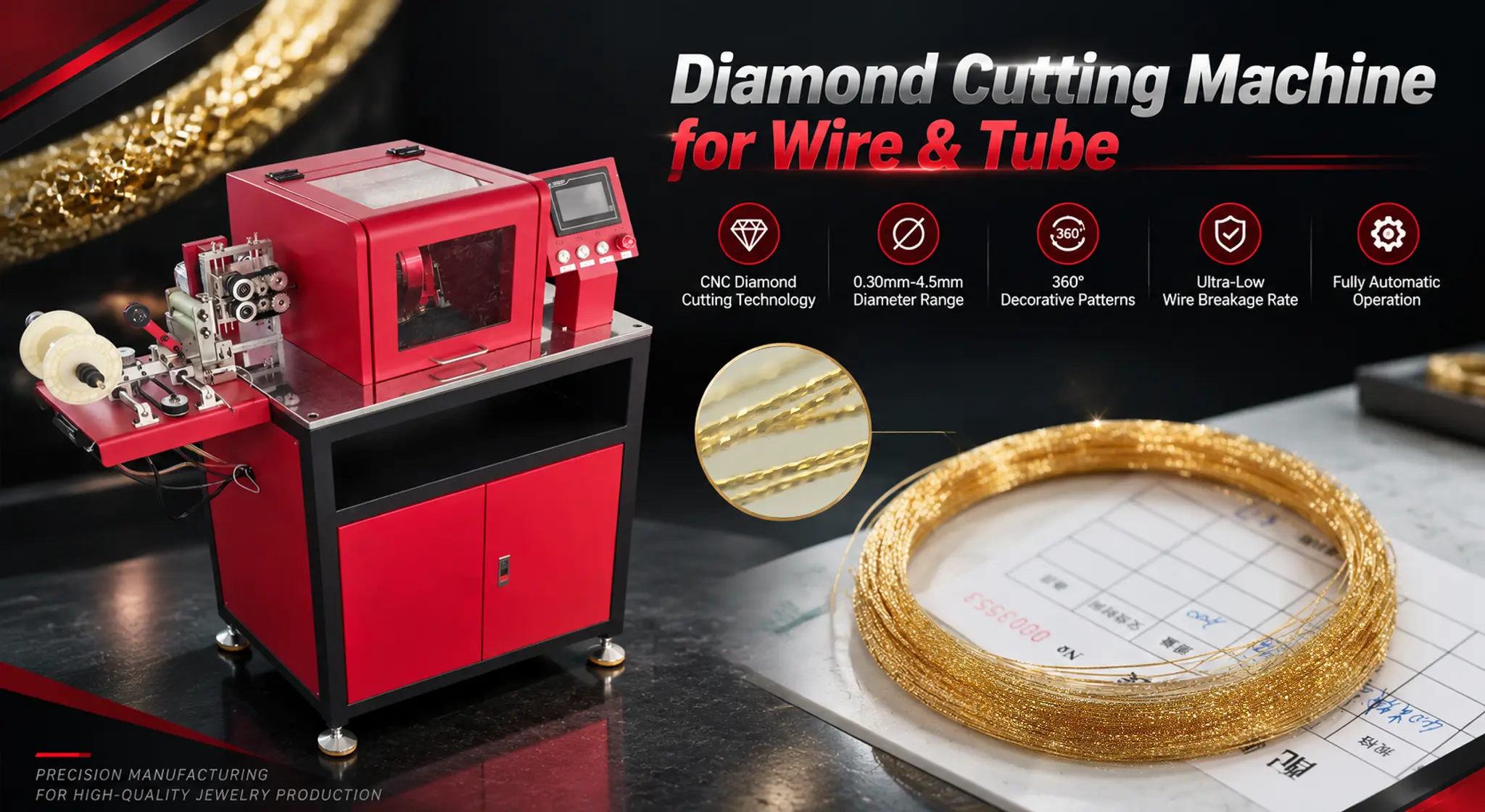
Diamond Cutting Machine for Wire and Tube
Produces decorative wire and tube with consistent cutting patterns for bangle designs and other jewelry components.
Related Product: Diamond Cutting Machine for Wire and Tube
With the right combination of equipment and process discipline, manufacturers can produce bracelets with consistent, high-quality diamond-cut patterns at competitive cost.
Conclusion
Bracelet diamond cutting is a proven way to increase product value and differentiate your jewelry line. Whether you choose manual, semi-automatic, or CNC methods, consistent results depend on proper material preparation, correct machine settings, sharp tools, and reliable equipment. Sible Jewelry Machinery offers the machines, tooling, and technical support to help you build an efficient bracelet production line.
Contact us today for equipment recommendations and a competitive factory quotation tailored to your production requirements.

Message Online


