
 Tiếng Việt

How Jewelry Chains Are Manufactured: Modern Technology in Gold Chain Production
The jewelry industry has evolved rapidly with the introduction of modern manufacturing equipment. Today, high-precision machines allow manufacturers to produce gold, silver, and other precious metal chains with outstanding consistency and efficiency. Understanding how jewelry chains are manufactured helps jewelry brands and workshops choose the right equipment and production solutions.
1. Raw Material Preparation
Jewelry chain production typically begins with precious metals such as gold, silver, copper, or alloys like K gold. These materials are first melted and processed into wire or tubes that will later form the structure of the chain.
Modern jewelry factories rely on advanced metal processing equipment to ensure the wire diameter, surface finish, and mechanical properties meet strict quality standards. Proper preparation of materials is essential for producing durable and visually appealing chains.
2. Wire and Tube Processing
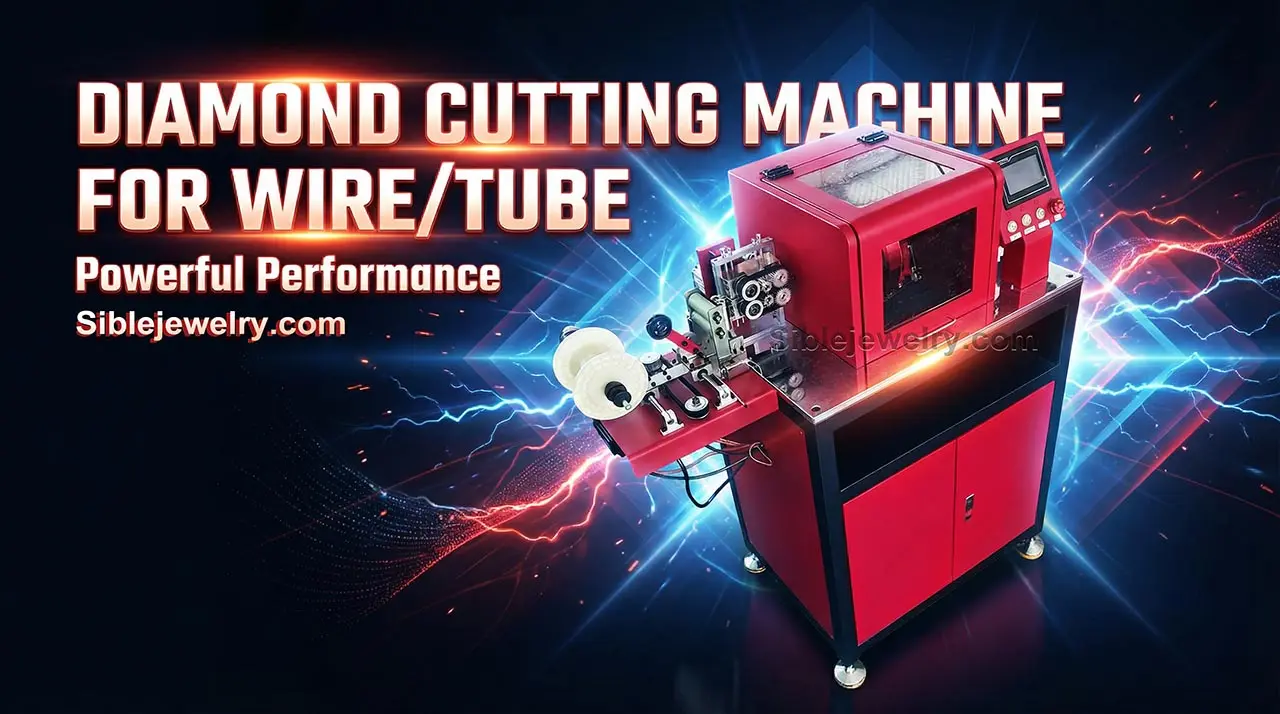
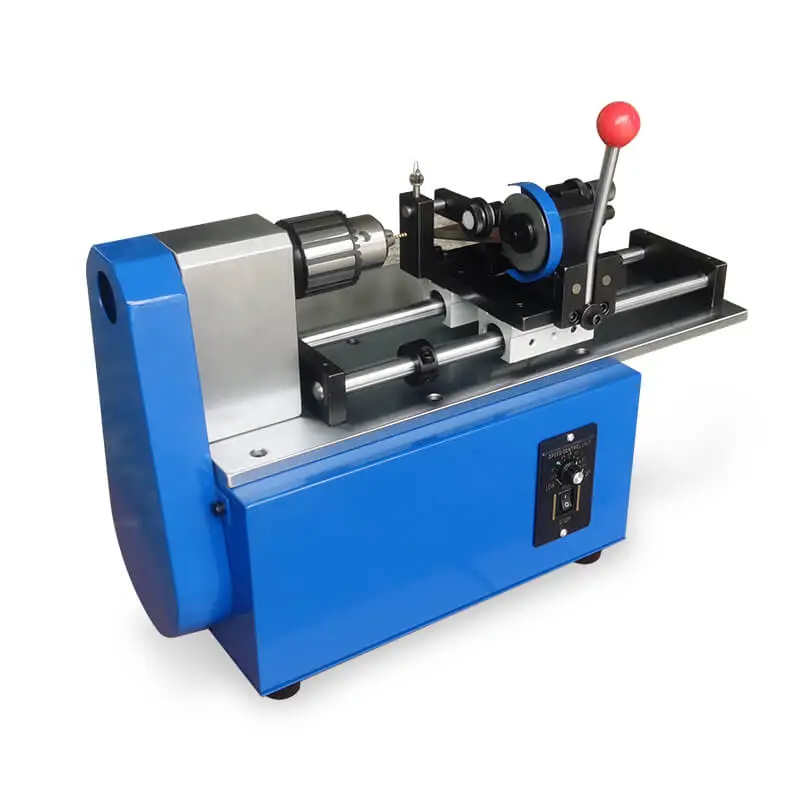
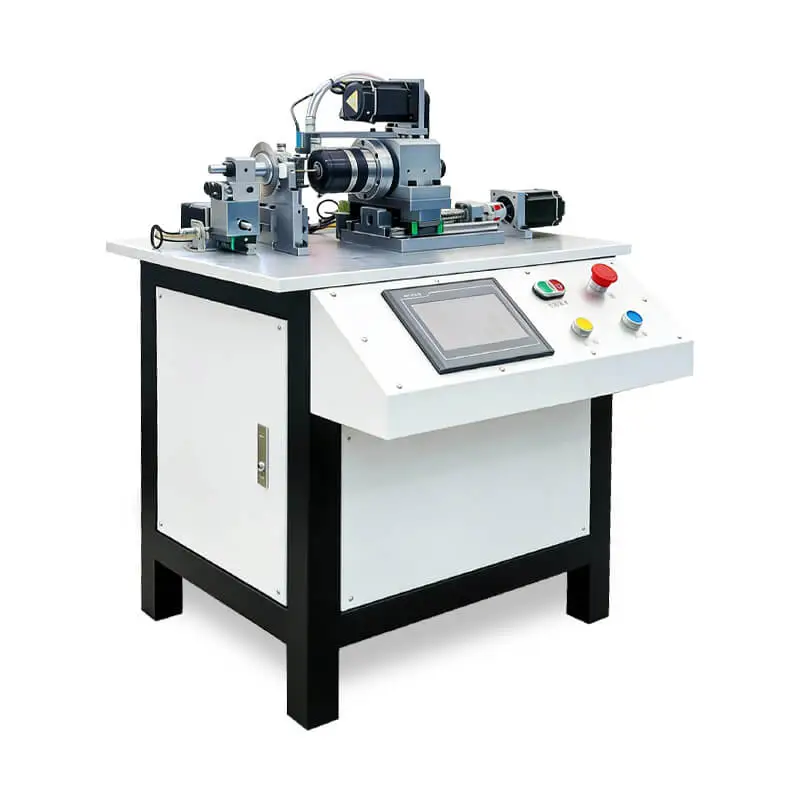
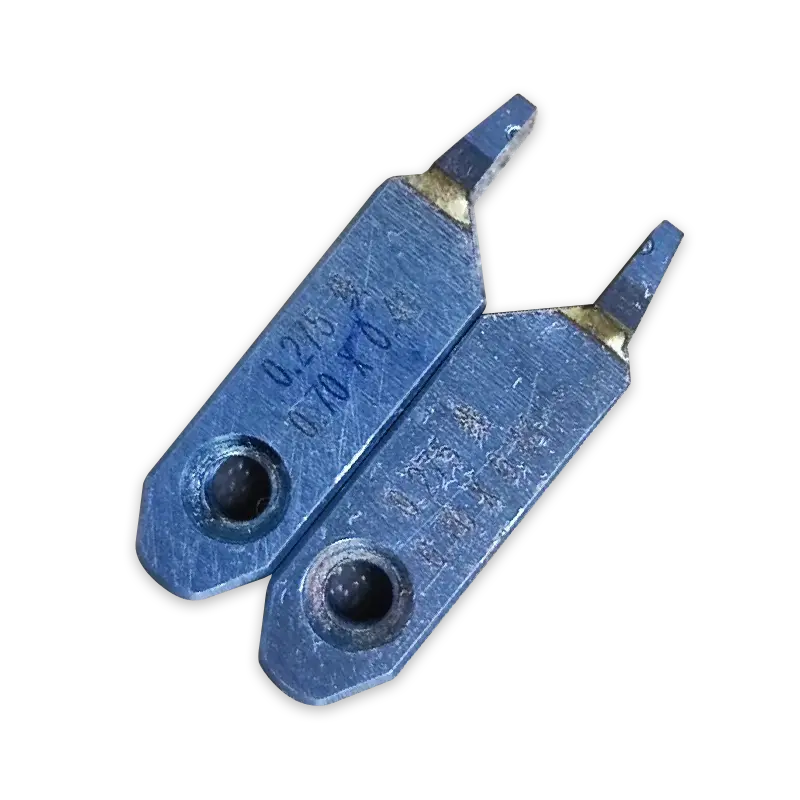
After the raw material is prepared, the metal wire or tube is processed using precision cutting and shaping equipment. For example, diamond cutting machines are widely used to create reflective textures and decorative patterns on jewelry components.
Using professional equipment such as the
Diamond Cutting Machine for Wire and Tube
manufacturers can produce detailed patterns that enhance the brilliance and luxury appearance of jewelry chains.
This stage is critical because surface finishing directly affects the final aesthetic value of the jewelry.
3. Chain Forming and Assembly
The next step is forming the actual chain structure. Depending on the design, different chain styles such as cable chains, rope chains, or box chains require specific forming techniques.
Automated jewelry chain machines can precisely control the linking process, ensuring each link is uniform in size and shape. This automation significantly improves production efficiency compared with traditional manual manufacturing.
Manufacturers using modern jewelry equipment can produce large quantities of chains while maintaining high precision and quality.
4. Surface Decoration and Diamond Cutting
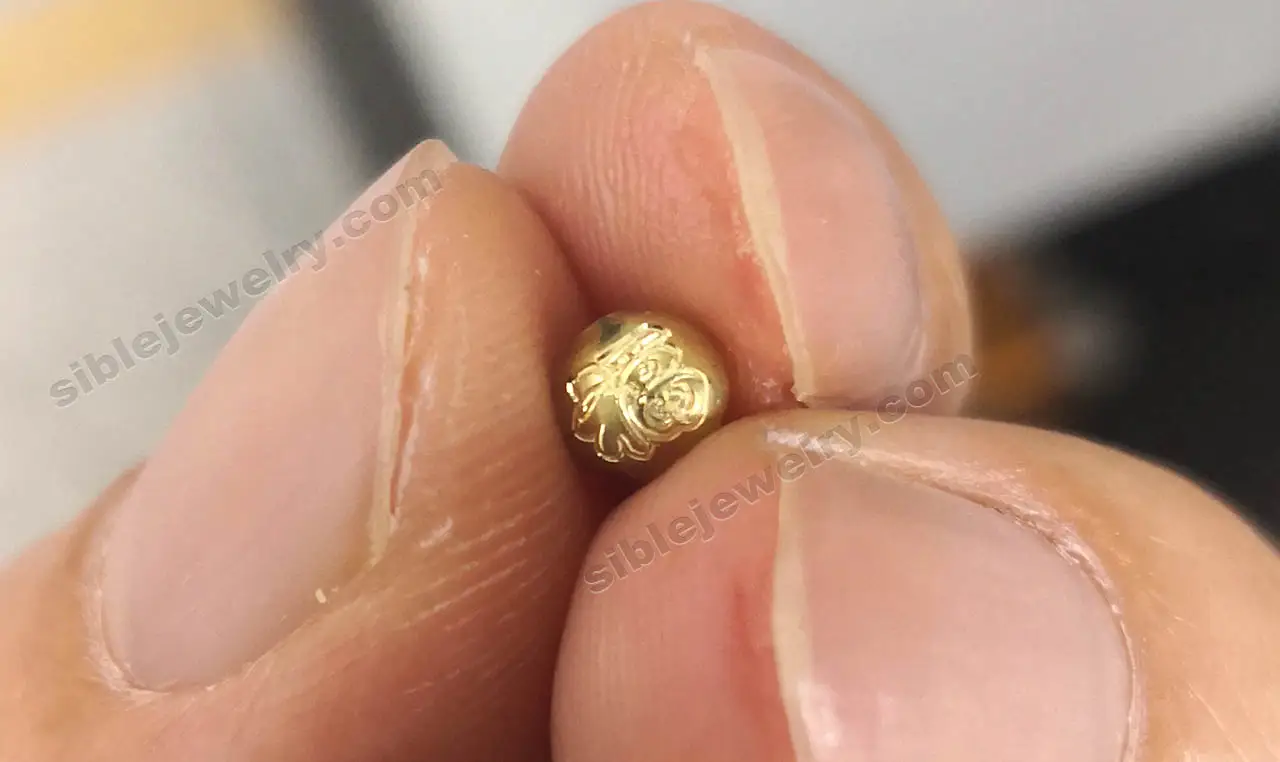
To increase visual appeal, jewelry chains often undergo additional surface treatments such as diamond cutting or texture engraving.
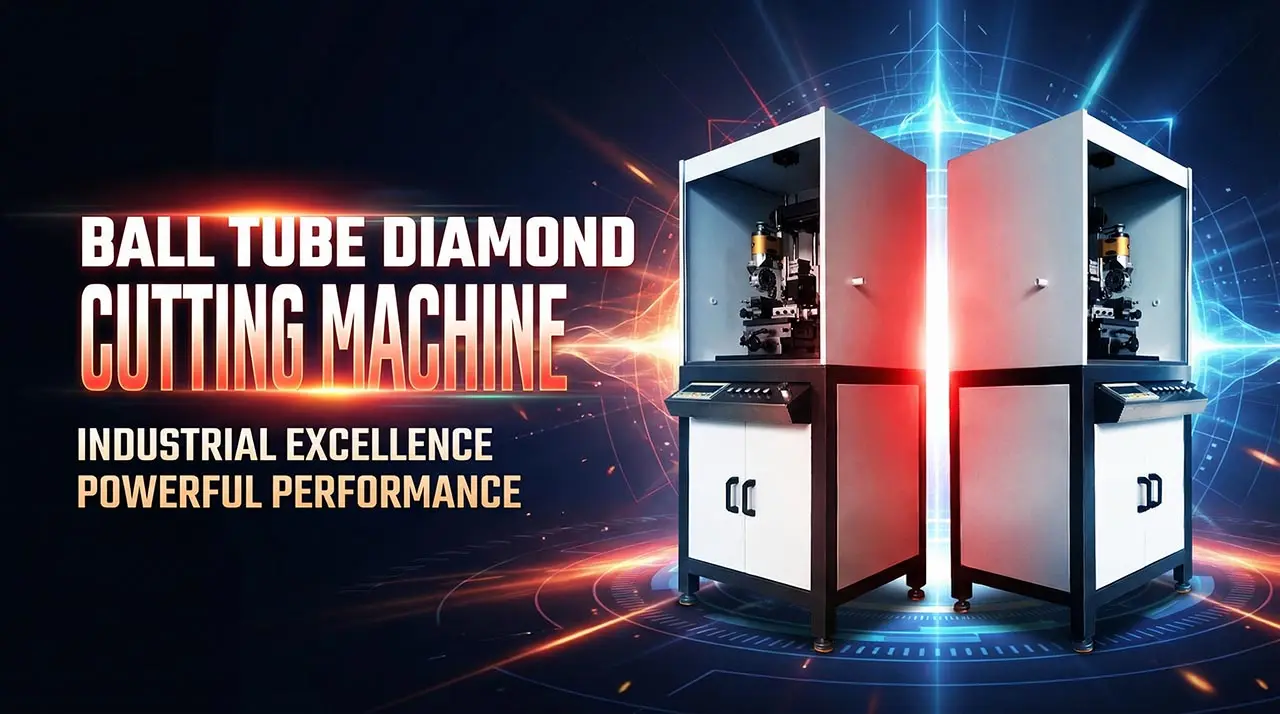
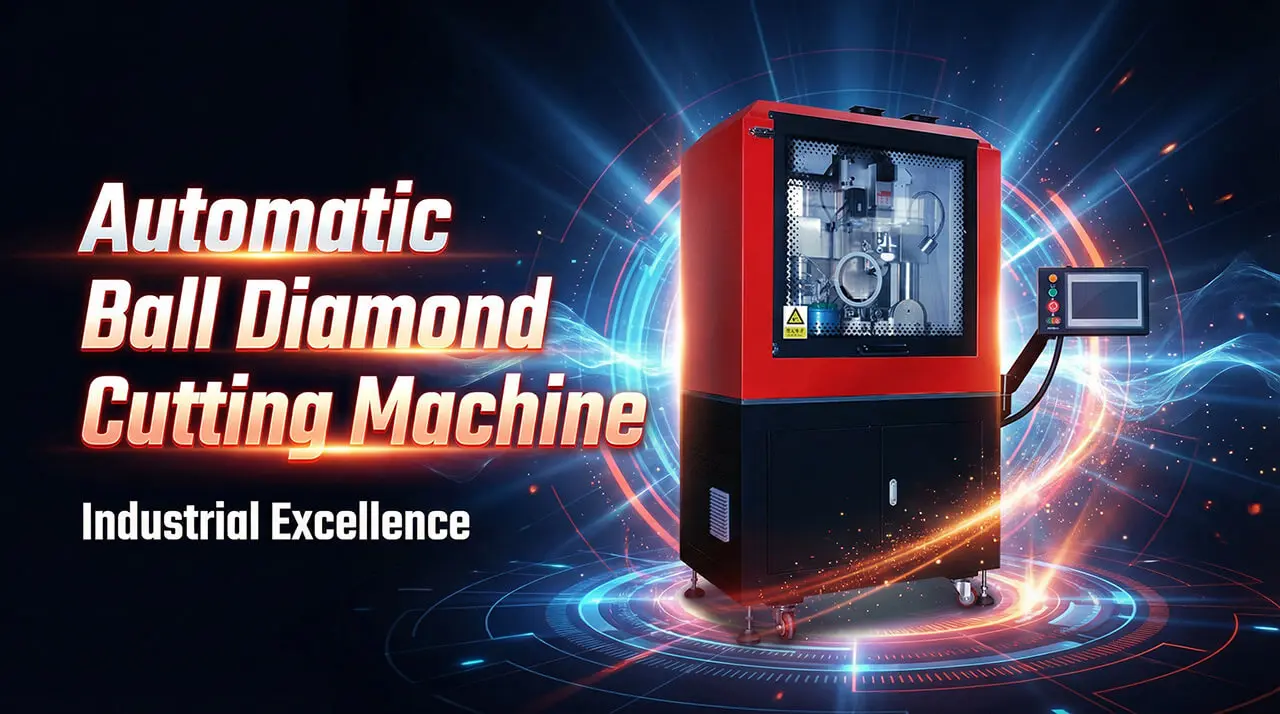
Advanced machines can create micro-patterns on the metal surface, producing brilliant reflections similar to diamond sparkle. Equipment such as the
Ball Diamond Cutting Machine
is widely used to add decorative patterns to beads and spherical jewelry components.
These technologies allow jewelry designers to create unique and fashionable chain styles that stand out in competitive markets.
5. Polishing and Quality Inspection
The final stage of chain production includes polishing, cleaning, and quality inspection.
High-quality polishing improves the brightness and smoothness of the chain surface. At the same time, professional inspection ensures:
1.consistent chain length
2.smooth connections between links
3.strong structural durability
4.flawless surface finishing
Quality control is essential for maintaining brand reputation and customer satisfaction.
6. The Role of Modern Jewelry Manufacturing Equipment
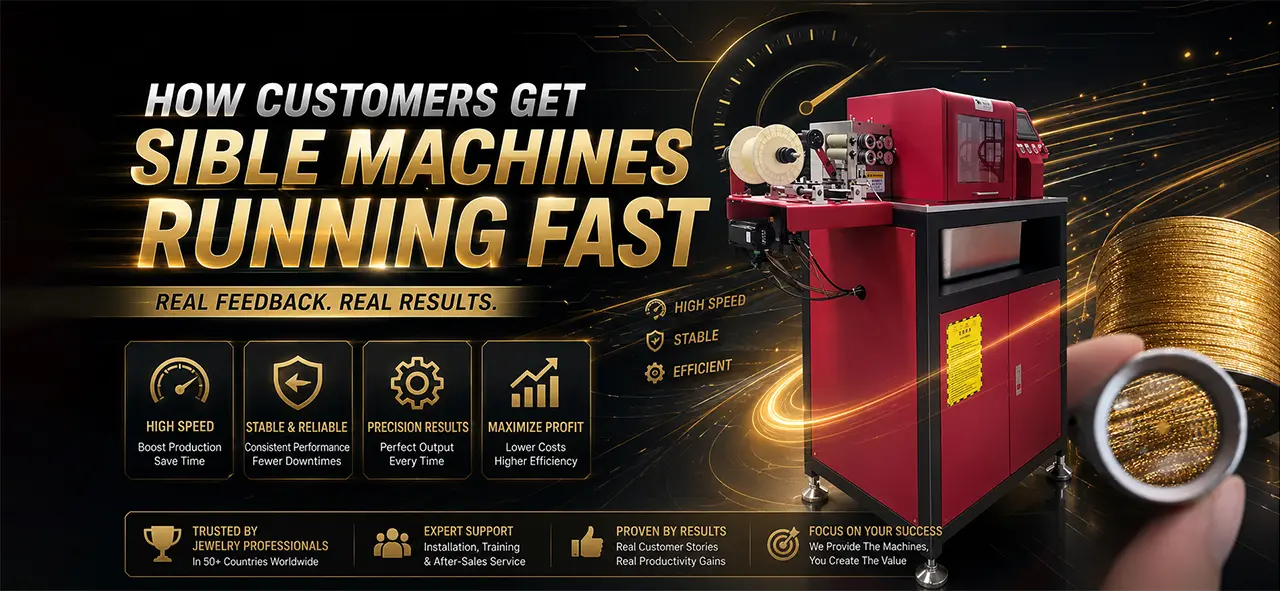
Modern jewelry factories rely heavily on specialized machines to improve productivity and consistency. Automated equipment not only reduces labor costs but also enhances precision and production capacity.
Professional jewelry equipment manufacturers such as Sible Jewelry provide a wide range of solutions for jewelry production, including:
1.diamond cutting machines
2.jewelry wire processing equipment
3.chain production machinery
4.bead and hollow ball processing systems
These technologies enable jewelry manufacturers to produce high-quality products while meeting the growing global demand for fine jewelry.
Conclusion
Jewelry chain manufacturing is a sophisticated process that combines traditional craftsmanship with modern precision machinery. From raw material preparation to final polishing, each step plays a vital role in creating durable and beautiful jewelry chains.
By adopting advanced jewelry manufacturing equipment, manufacturers can significantly improve production efficiency, maintain consistent quality, and develop innovative designs for the global jewelry market.
To learn more about professional jewelry production equipment, visit the official website of
Sible Jewelry:
https://www.siblejewelry.com/
Message Online


