
 Tiếng Việt

How to Choose a Diamond Cutting Machine for Jewelry Production
In modern jewelry manufacturing, precision and efficiency are critical to maintaining competitive advantage. Whether producing gold beads, silver ornaments, or decorative hollow balls, selecting the right diamond cutting machine directly affects surface quality, production speed, and overall profitability.
But with different machine types, automation levels, and configurations available on the market, how do you choose the right diamond cutting machine for your factory?
This guide will help you evaluate the key factors before making a purchasing decision.
1. Understand Your Production Requirements
Before comparing machine models, clearly define your production needs:
What materials will you process? (Gold, silver, copper, alloy)
What product types do you manufacture? (Beads, balls, wire patterns, hollow components)
What is your daily production capacity?
Do you require high-volume automation or flexible small-batch production?
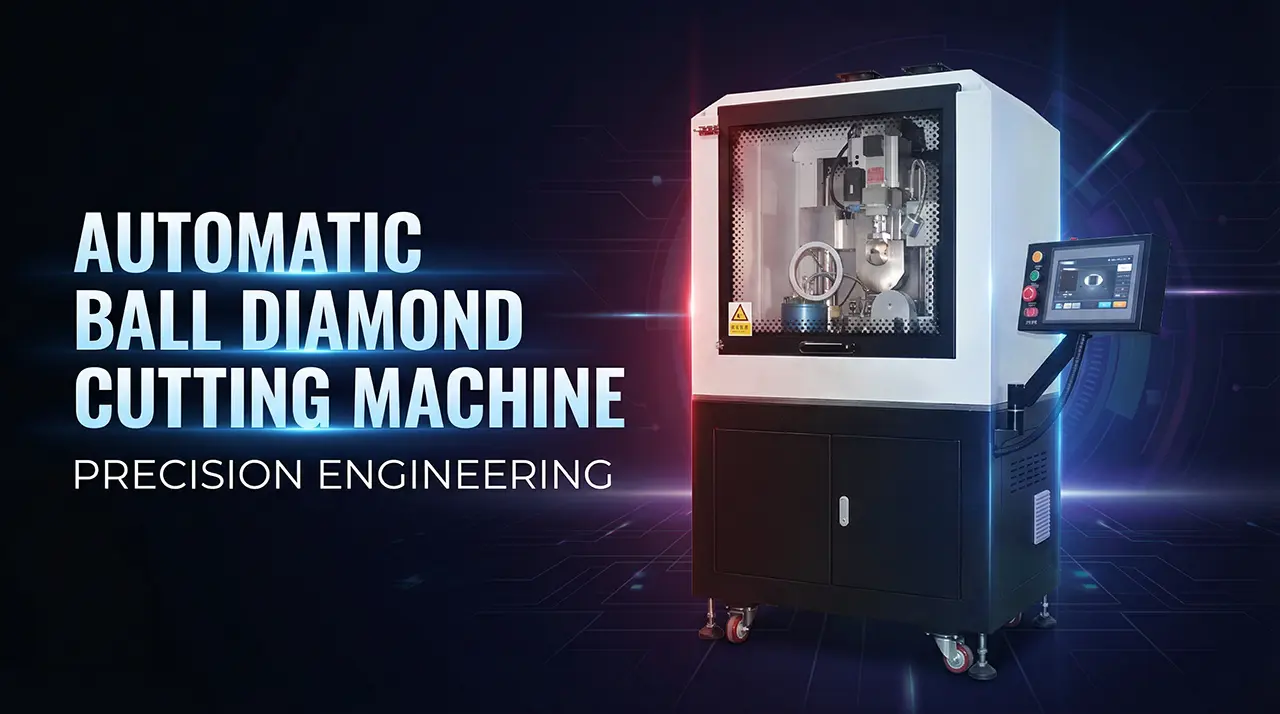
For example, factories focused on mass production of gold beads require a fully automatic diamond cutting machine with stable continuous operation. In contrast, workshops producing customized jewelry may prefer adjustable cutting configurations.
Understanding your workflow is the first step toward selecting suitable jewelry production equipment.
2. Evaluate Cutting Precision and Surface Quality
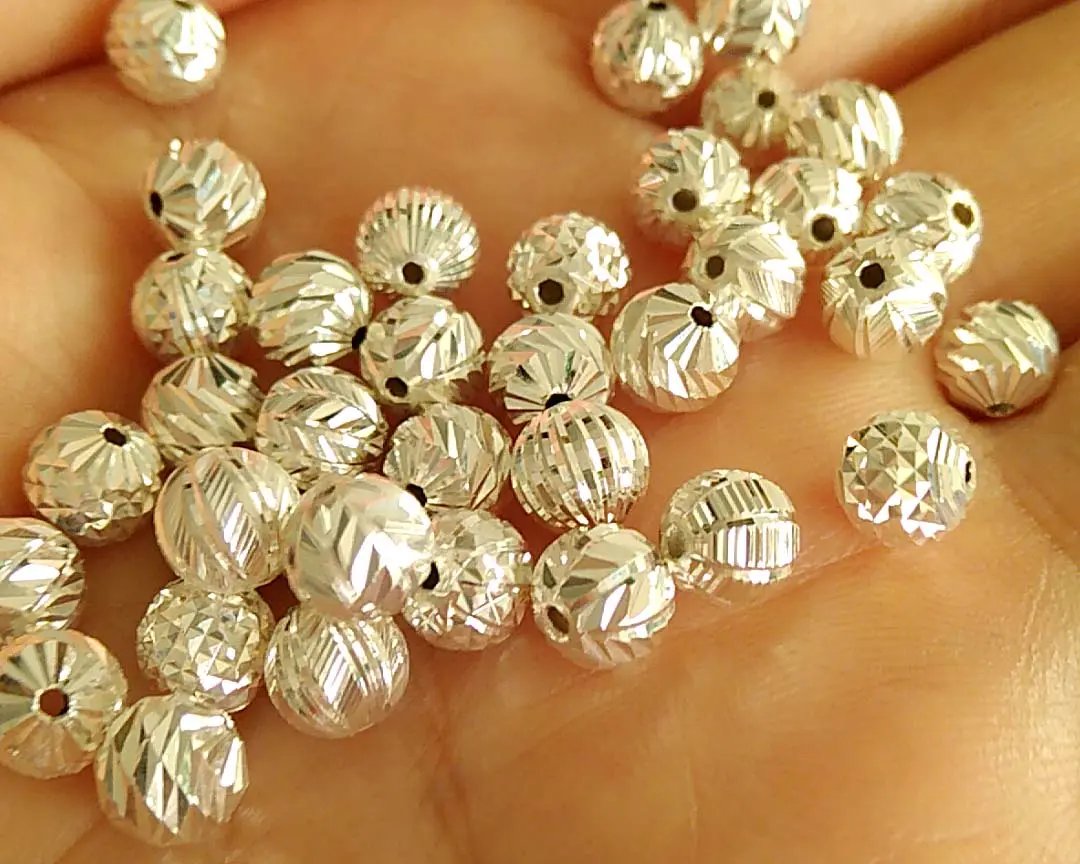
The main purpose of a diamond cutting machine is to create precise reflective patterns on jewelry surfaces.
Key factors to check:
Cutting stability at high speed
Vibration control system
Spindle precision
Tool durability
Pattern consistency
A high-quality automatic diamond cutting machine should produce uniform textures without burrs or uneven finishes. Precision directly influences final product value, especially for fine gold and silver jewelry.
If possible, request sample output videos or real product samples before purchasing.
3. Consider Automation Level
Automation significantly affects production efficiency and labor cost.
There are generally three levels:
Manual Machines
Suitable for small workshops and low-volume production.
Semi-Automatic Machines
Require operator input but increase efficiency.
Fully Automatic Diamond Cutting Machines
Best for medium to large factories focused on continuous production and scalability.
If your goal is long-term growth, investing in automatic jewelry machinery usually provides better ROI.
4. Check Machine Stability and Durability
Long-term stability is often more important than initial price.
Look for:
Rigid machine frame structure
Stable motor performance
Low-noise operation
Smooth feeding system
Minimal vibration
Reliable jewelry machinery manufacturers design machines for long operational hours with minimal downtime.
Ask about average lifespan, maintenance frequency, and spare part availability.
5. Assess Technical Support and After-Sales Service
For overseas buyers, technical support is crucial.
Before choosing a supplier, confirm:
Installation guidance (remote or onsite)
Spare parts supply
Operation training
Troubleshooting response time
Professional manufacturers with export experience can significantly reduce operational risks.
6. Compare Total Investment, Not Just Price
When evaluating diamond cutting machine price, avoid focusing only on upfront cost.
Consider:
Production output per hour
Power consumption
Labor savings
Maintenance cost
Product defect rate
A cheaper machine with unstable performance may lead to higher long-term losses.
7. Choose a Manufacturer with Industry Experience
Selecting an experienced jewelry machinery manufacturer ensures better engineering quality and production insight.
Manufacturers that specialize in jewelry production equipment understand:
Gold and silver material characteristics
Bead cutting techniques
Production line integration
Custom configuration requirements
Working with a specialized supplier is always safer than purchasing generic industrial equipment.
8. Future Scalability and Customization
As your business grows, production requirements may change.
Choose equipment that allows:
Adjustable cutting angles
Interchangeable tooling
Upgradeable automation modules
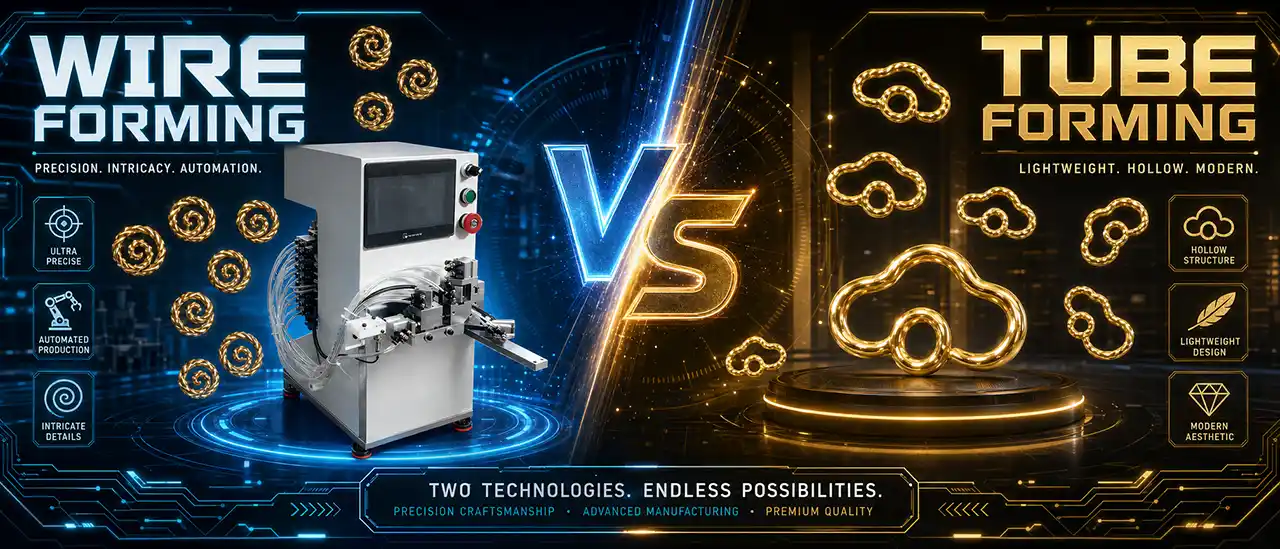
Integration with bead forming or wire processing machines
Scalable machinery supports long-term factory expansion.
Conclusion: Choose Based on Performance, Stability and Long-Term Value
Selecting the right diamond cutting machine is not just a technical decision—it is a strategic investment in your jewelry production capacity.
By evaluating production needs, automation level, precision performance, and supplier reliability, you can confidently choose a machine that improves efficiency and ensures consistent product quality.
If you are planning to upgrade your jewelry production line or start a new factory project, consulting with an experienced jewelry machinery manufacturer can help you determine the most suitable solution.
Message Online


