
 Tiếng Việt

Silver Jewelry Cutting Machines: What to Know Before You Buy
Silver jewelry manufacturing has its own rhythm. Silver is softer than gold and less expensive per gram, but it tarnishes, work-hardens quickly, and demands clean, consistent cuts across long production runs. The machine that works for gold wire may not be the right fit for silver tube — and vice versa.
This guide covers what jewelry manufacturers should know before buying a silver cutting machine: the types of machines available, which processes they support, and how to match a machine to your actual production.
Why Silver Is Different from Gold in Cutting
Silver behaves differently under the cutting tool:
Softer metal, easier work-hardening. Silver work-hardens fast, so the cutting process must remove material cleanly in one pass rather than relying on repeated abrasion.
Tarnishing risk. Cutting oils and debris left on the surface accelerate tarnish. Machines that cut dry and cleanly are easier to integrate into a tarnish-aware workflow.
Thinner stock, tighter tolerances. Silver wire and tube used in jewelry is often thin — cutting must not crush, burr, or deform the profile.
For most silver jewelry manufacturers, the practical question is not "can a machine cut silver" but "which machine matches my product range and daily volume."
The Main Types of Silver Cutting Machines
1. Ball Diamond Cutting Machine (Bead Faceting)
If your product line includes round or olive-shaped silver beads, a ball diamond cutting machine adds facets, decorative lines, and custom patterns directly onto the bead surface.
Bead diameter range: Ø2.0 – Ø10.0 mm (round/olive-shaped beads)
CNC control with programmable patterns
Fully automatic feeding; single-head and dual-head models available
Compatible with silver, gold, K-gold, copper and other non-ferrous metals
Use case: silver bead necklaces, bracelets and statement pieces where the bead surface needs pattern work beyond a plain finish.
2. Diamond Cutting Machine for Wire and Tube
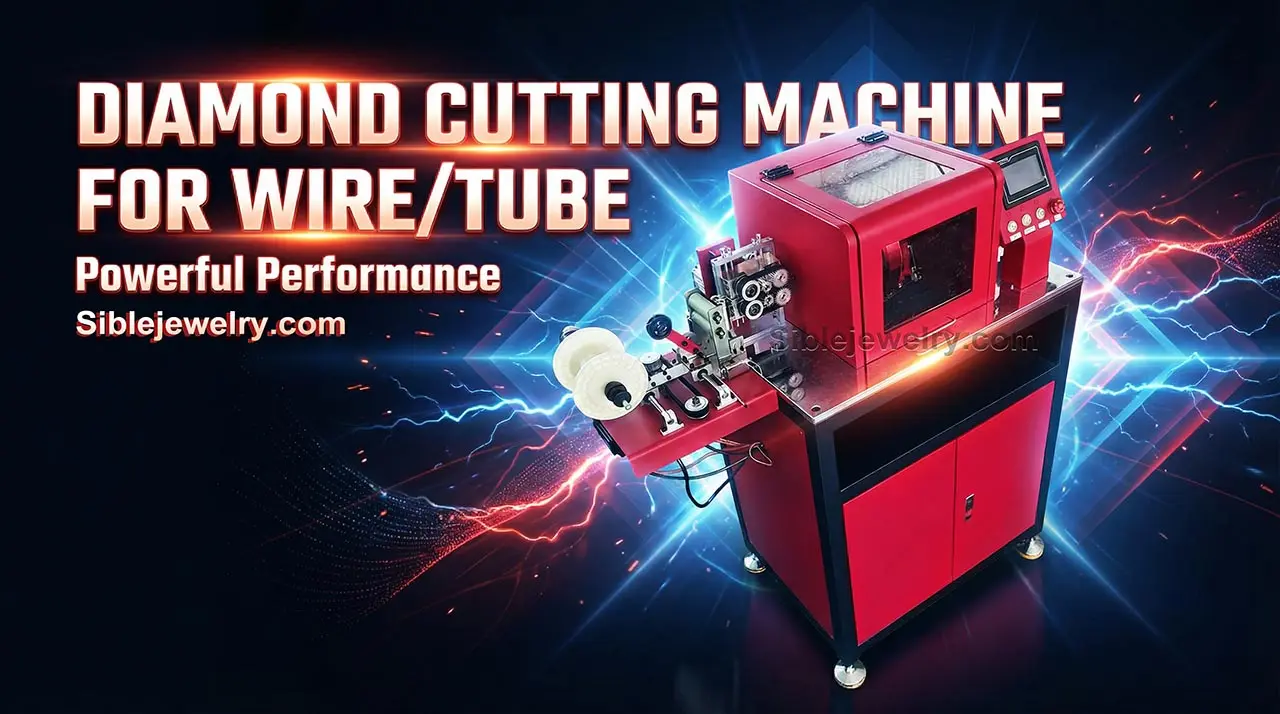
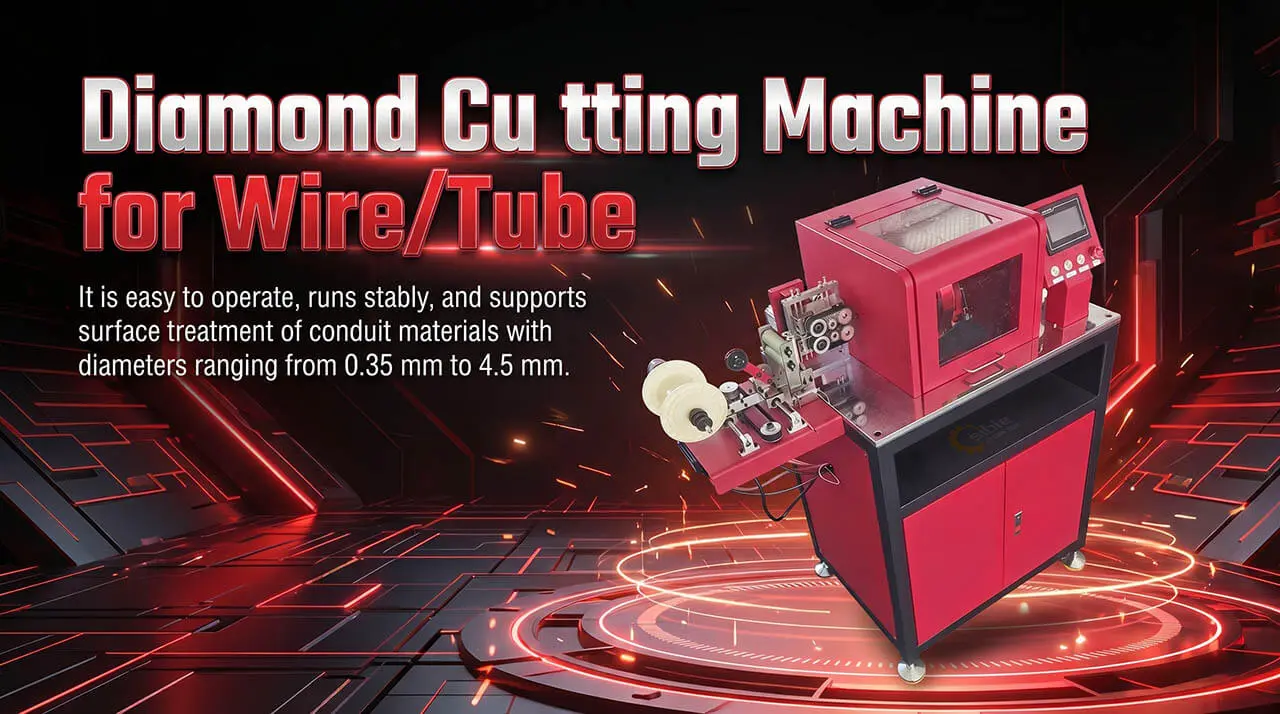
For silver wire and tube that needs to be cut to length before forming or linking, a wire-and-tube diamond cutting machine is the workhorse.
Wire diameter range: from 0.3 mm to 4.5 mm
Low wire breakage, stable operation
Supports extended continuous runs and unattended automatic operation
Use case: chain components, jump rings, tube segments for hollow beads — any silver stock that feeds from a coil.
3. Pipe Diamond Cutting Machine
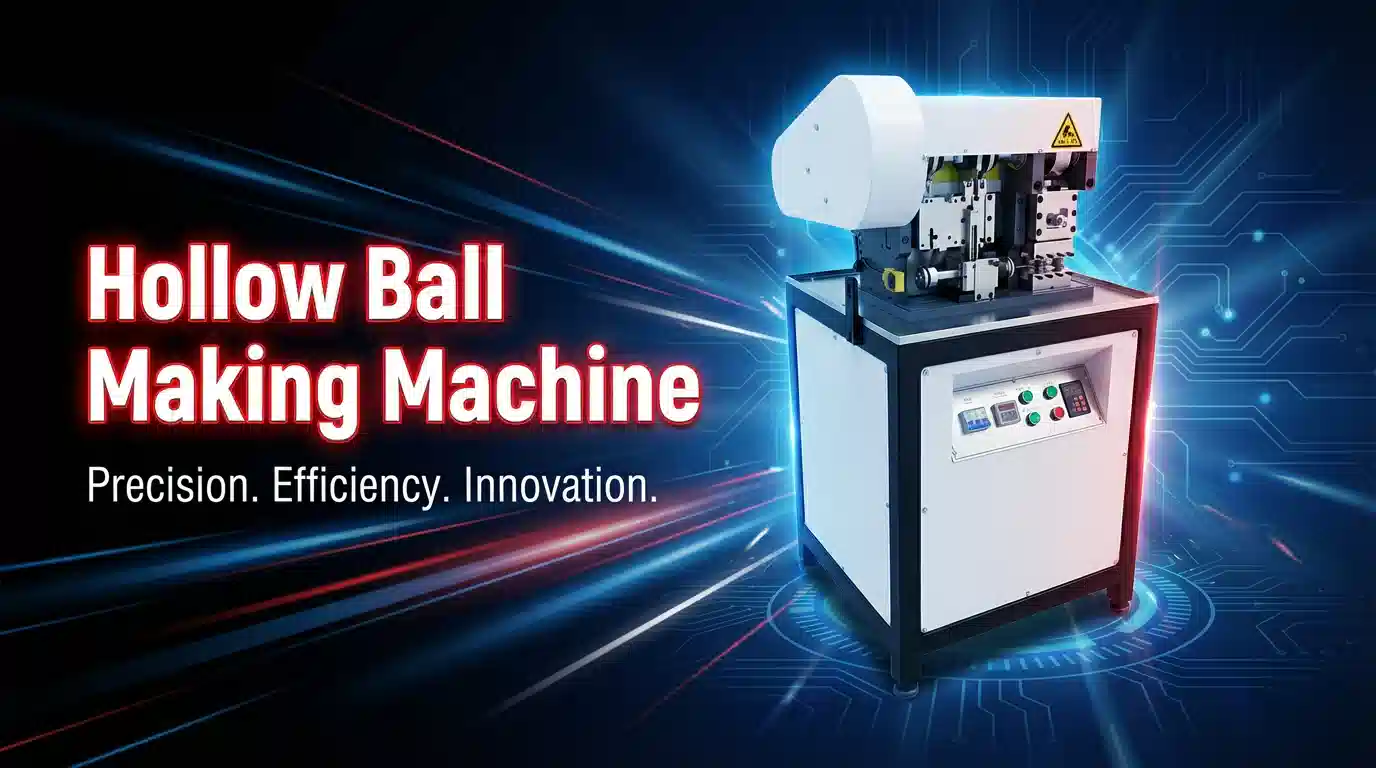
When you are cutting silver pipe for hollow beads or structured components, a dedicated pipe diamond cutting machine gives clean edges and consistent dimensions.
Pipe diameter range: Φ2.0 – Φ8.0 mm
High-performance diamond tools for clean edges and minimal errors
Four-axis cutting system; compatible with straight, curved and decorative blades
Can produce intricate patterns like pineapple or floral designs
Use case: hollow silver beads, ornamental pipe sections, decorative components.
How to Match the Machine to Your Production
Before comparing machines, answer four questions:
What is your dominant product? Beads → ball cutting machine. Wire/tube stock → wire-and-tube machine. Hollow pipe components → pipe cutting machine.
What diameter range do you actually run? Check your product list against the machine's working range. A machine that covers your full range today also leaves room for the sizes you plan to add next season.
Single head or dual head? A single-head machine covers standard faceting at a lower entry cost. A dual-head machine adds pattern variety and roughly double the output per machine — worth it only if your designs actually demand it. See our single vs dual head comparison for the full breakdown.
How automated do you need to be? If you run long shifts with limited operators, choose a machine with automatic feeding and low intervention requirements.
What to Check Before Buying (Checklist)
Working diameter range covers your current and near-term sizes
Material compatibility: silver, gold, K-gold, copper, other non-ferrous metals
Cutting quality on a sample of your own silver stock — always test with your actual material
Setup, tooling changeover and daily maintenance requirements
Availability of operation videos and documentation for operator training
After-sales support and spare parts availability
Cost Considerations (General Guidance)
Every factory's cost picture is different. Machine price depends on configuration, head count, tooling and automation level; the return depends on your volume, labor cost and product mix. Rather than quoting figures that cannot apply to every operation, we recommend a simple approach: calculate your break-even based on your own daily output and labor savings, and ask suppliers for a configuration-specific quotation. What matters most is that the machine earns its keep within your actual production rhythm — not that it matches a number from a brochure. Contact SIBLE for a configuration-specific quotation.
FAQ
Can a gold-oriented cutting machine handle silver?
Most SIBLE diamond cutting machines are designed for non-ferrous metals including silver, gold, K-gold and copper. Confirm material compatibility with the machine's specifications before purchase.
What is the smallest silver wire a machine can cut?
Wire-and-tube cutting machines typically handle wire from around 0.3 mm up to 4.5 mm in diameter. Check the specific model's working range against your stock sizes.
Do I need a dual-head cutting machine for silver beads?
Only if your product range needs dual-head patterns or double output. For standard faceting, a single-head CNC machine is the cost-effective choice.
Can I test my own silver material before buying?
We recommend testing with your actual silver stock. A reputable supplier will demonstrate cutting quality on your material before you commit.
What support is available after purchase?
Every SIBLE machine ships with operation videos and documentation, and our team follows up proactively after delivery to confirm the machine is running well.

Message Online


