
 Tiếng Việt

Why Does Gold Jewelry Shine? The Secret Lies in Surface Finishing Techniques
When you see a gold jewelry piece catching the light with dazzling brilliance, you're witnessing more than just the beauty of the metal itself. That shine is the result of advanced surface finishing techniques—carefully applied to transform raw, dull gold into a stunning, high-end product. Without these finishing processes, gold jewelry would appear flat and lifeless.
At Sible, we specialize in automated machinery that brings these finishing techniques to life. From diamond cutting to satin brushing, our equipment helps manufacturers deliver consistent brilliance, texture, and detail—at scale, with efficiency and precision.
Below is an overview of the most popular surface treatments that give gold jewelry its signature shine:
1. Diamond Cutting (Lathe Carving)
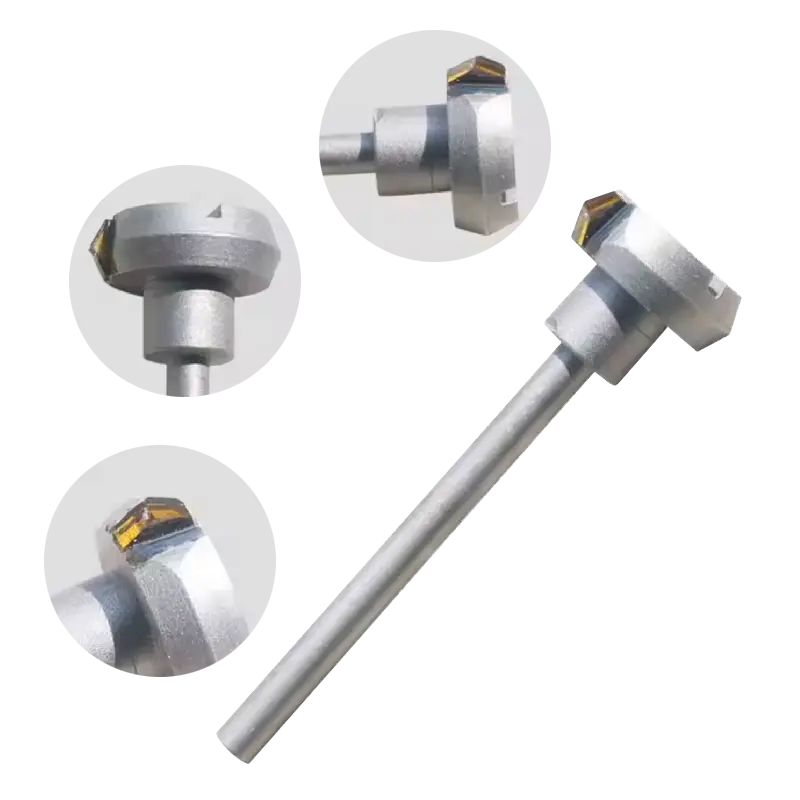
This technique engraves fine patterns or geometric cuts into the jewelry surface, enhancing depth, reflection, and brilliance. Popular for bold, contemporary designs.
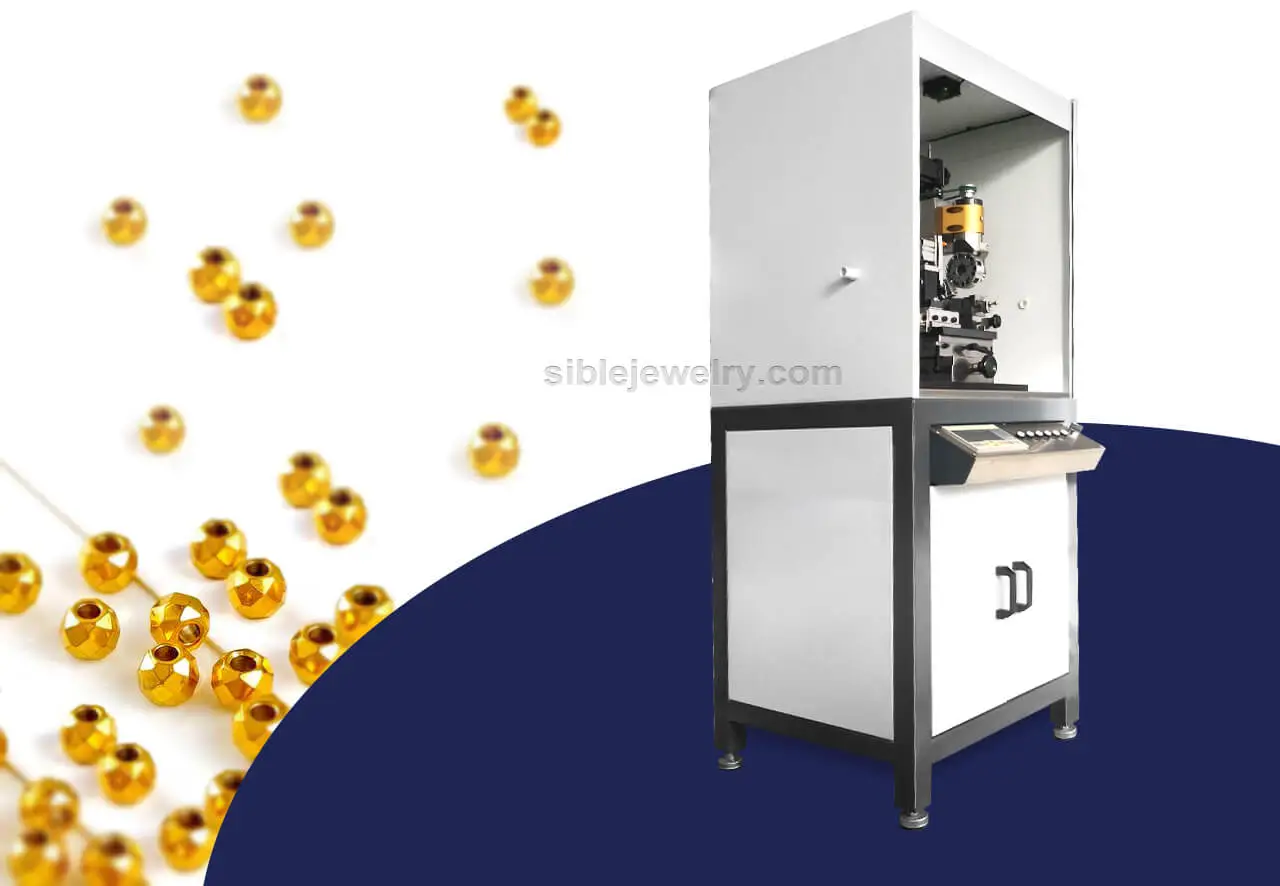
How it works: High-speed diamond tools carve sharp grooves or floral patterns onto metal surfaces—known as "carved flowers" in the trade.
2. Polishing
Polishing creates a mirror-like finish that maximizes the natural luster of gold, offering a sleek, refined appearance.
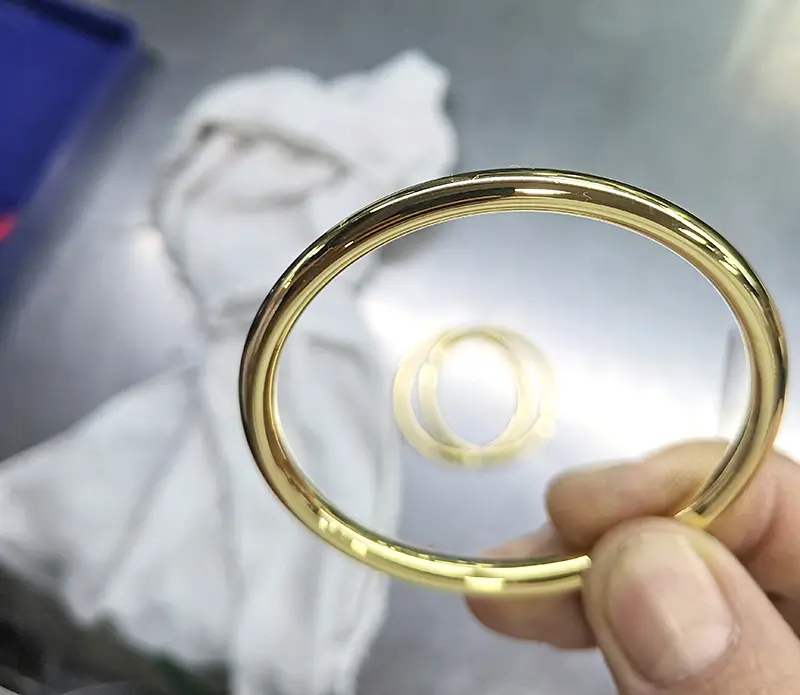
How it works: Specialized polishing machines smooth out imperfections and create a bright, reflective surface.
3. Sandblasting (Matte Finish)
Sandblasting creates a smooth, velvety matte texture, often used to contrast shiny surfaces or for subtle elegance.
How it works: Fine quartz or sand is blasted at high pressure onto the surface, forming a soft, even finish.
4. Pin Texturing (Starlight Effect)
Also called “star shine,” this method adds thousands of micro-reflections to a jewelry surface, creating a sparkling, glitter-like visual.
How it works: Diamond-tipped pins rotate and strike the surface to generate uneven, highly reflective textures.
5. Brushed (Satin) Finish
This produces a soft linear grain across the jewelry, offering a modern and understated metallic texture.
How it works: A fine abrasive brush is drawn in one direction over the metal, forming a parallel matte line pattern.
6. Multi-Color Brushed Finish
This variation introduces a rainbow-like shine under light, adding vibrancy to the classic brushed look.
How it works: Micro-grooves are cut with precision tools to reflect multiple light wavelengths, resulting in a shimmering spectrum.
7. Matte Smoothing (Satin Softening)
Used to refine surfaces and smooth transitions between elements, this gives jewelry a cleaner, more defined structure.
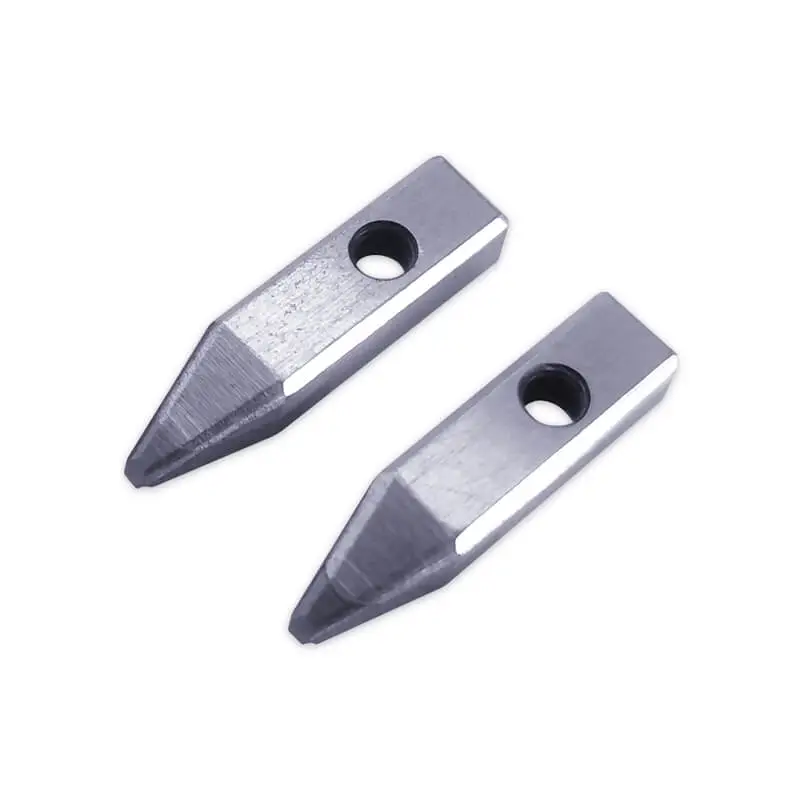
How it works: A precision knife presses and smooths selected areas to soften edges and enhance form clarity.
8. Stamping (Embossed Patterning)
This technique forms raised or recessed textures, commonly used on pendants, tags, or decorative plates.
How it works: A mold or die presses onto thin metal sheets under high force to emboss detailed patterns.
9. Filigree Crafting
A traditional technique where fine wires are crafted into lace-like decorative forms, often representing flowers or scrolls.
How it works: Precious metal wires are twisted, shaped, and soldered into intricate designs—then often gold-plated or enameled for a final finish.
10. Hand Engraving (Artisan Carving)
This labor-intensive process involves manual carving by skilled craftsmen, often to add culturally meaningful or custom details.
Why it matters: It allows for one-of-a-kind artistry, showcasing heritage, tradition, and a human touch that no machine can replicate.
✦ Conclusion: What Really Makes Gold Jewelry Shine?
The brilliant finish of fine gold jewelry isn’t just natural—it’s engineered. Through techniques like diamond cutting, polishing, sandblasting, and engraving, each piece is enhanced to achieve its full visual potential.
At Sible, we help jewelry manufacturers elevate their products with precision machinery designed to automate these processes without sacrificing quality. Whether you're producing intricate bridal pieces or high-volume fashion jewelry, our machines bring craftsmanship and efficiency together—so every piece you create stands out, shines bright, and speaks luxury.




Message Online


