
 Tiếng Việt

How to Make Gold Beads for Jewelry: Complete Guide
Gold beads are widely used in modern jewelry design, including necklaces, bracelets, earrings, and luxury decorative pieces. Understanding how gold beads are made helps both beginners and jewelry manufacturers improve design quality and production efficiency.
Today, gold bead production is no longer limited to manual craftsmanship. Most factories use automated jewelry manufacturing machines to ensure precision, consistency, and scalability.
Step-by-Step: How Gold Beads Are Made
1. Selecting Raw Material
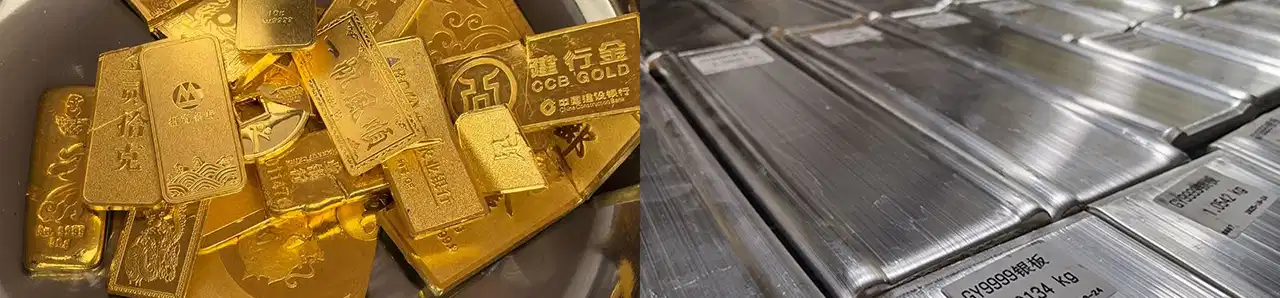
The process begins with selecting suitable gold material such as:
Pure gold (24K)
Gold alloy (18K, 14K)
Recycled gold material
Material quality directly affects bead durability and surface finish.
2. Wire or Rod Preparation
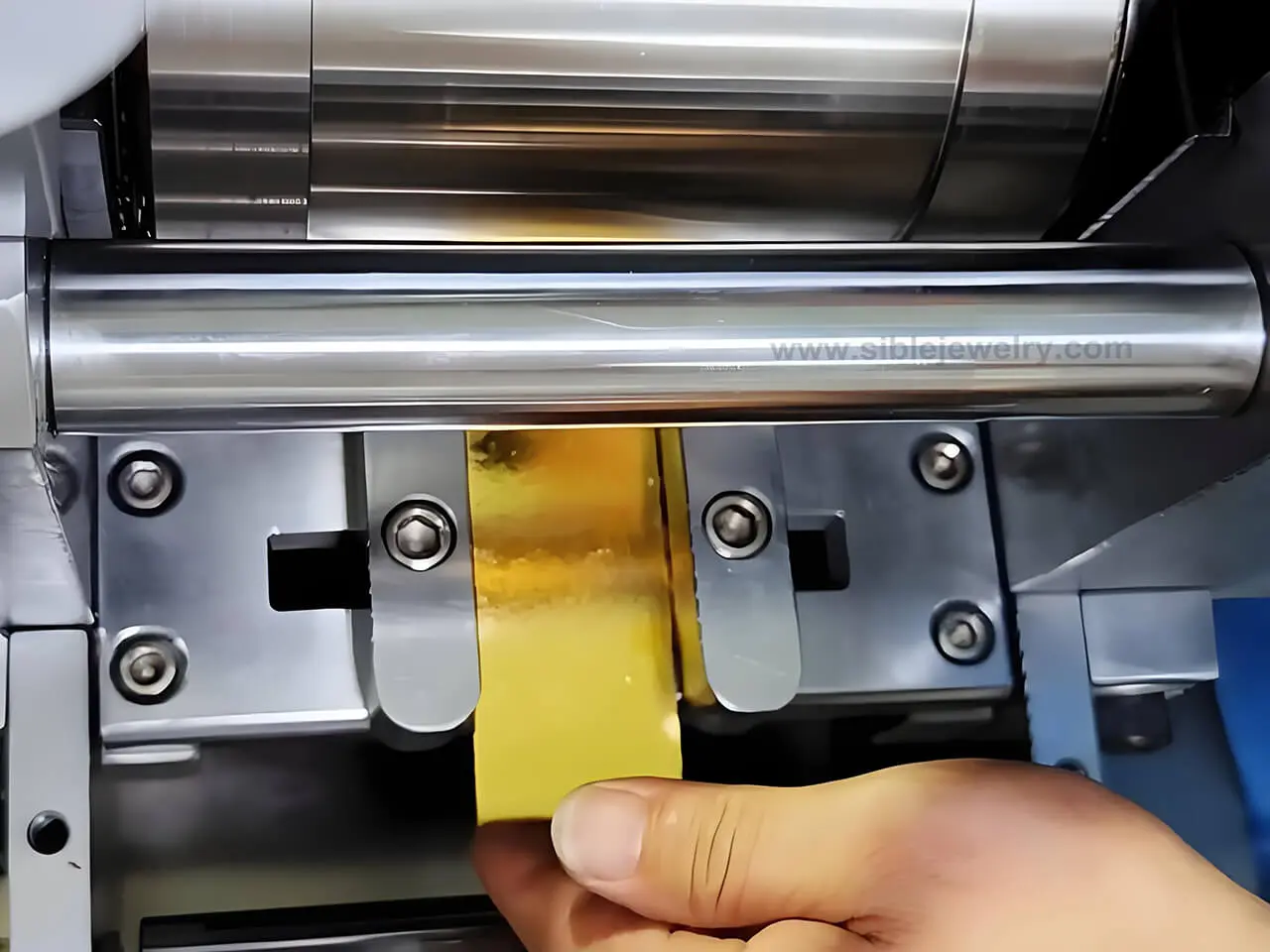
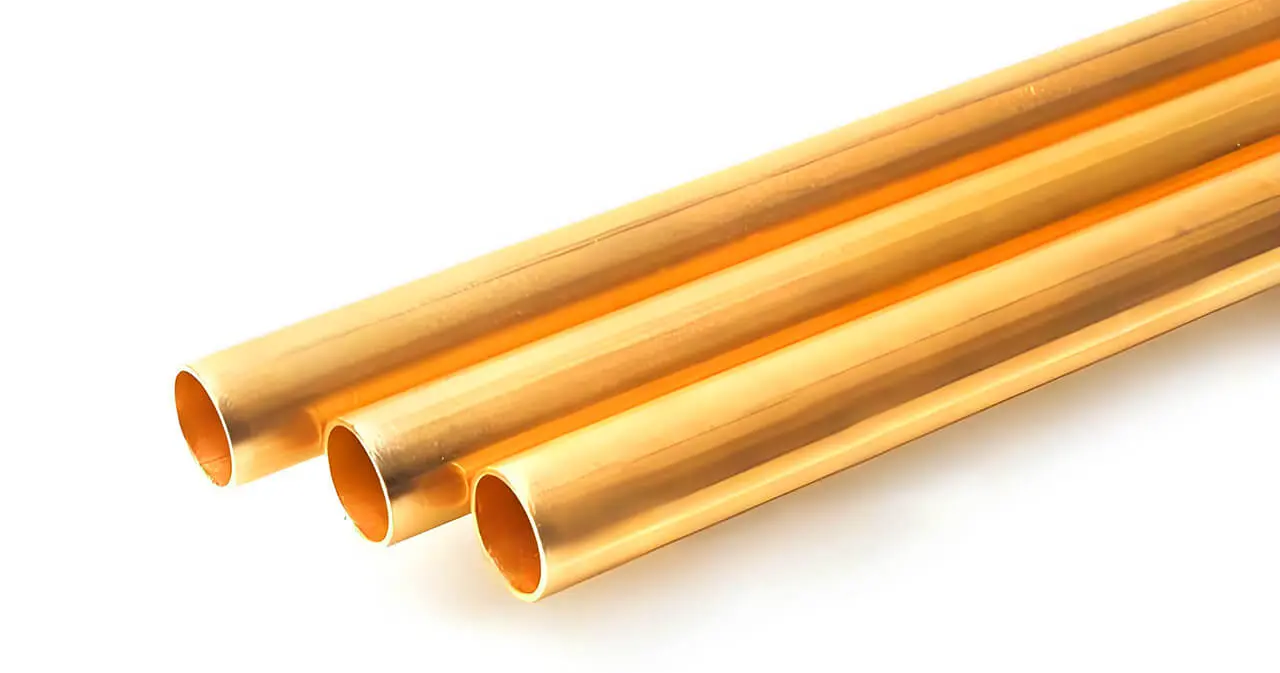
Gold material is processed into wire or small rods, which will later be shaped into beads.
In industrial production, this step is often completed using:
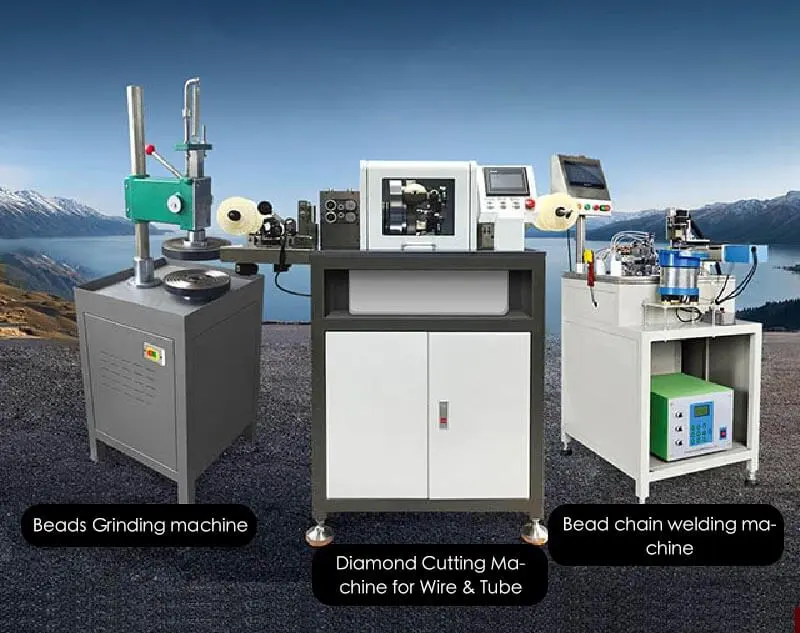
? Jewelry Wire Processing Machines
https://www.siblejewelry.com/products/diamond-cutting-machine-for-wire-and-tube
3. Bead Forming Process
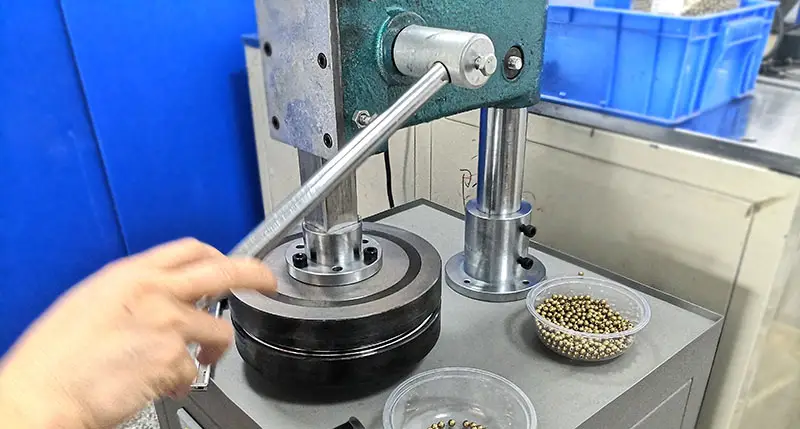
This is the most critical step in gold bead manufacturing.
In traditional methods, beads are formed manually using heating and shaping tools. However, modern factories use:
➡️Automatic Ball Making Machine
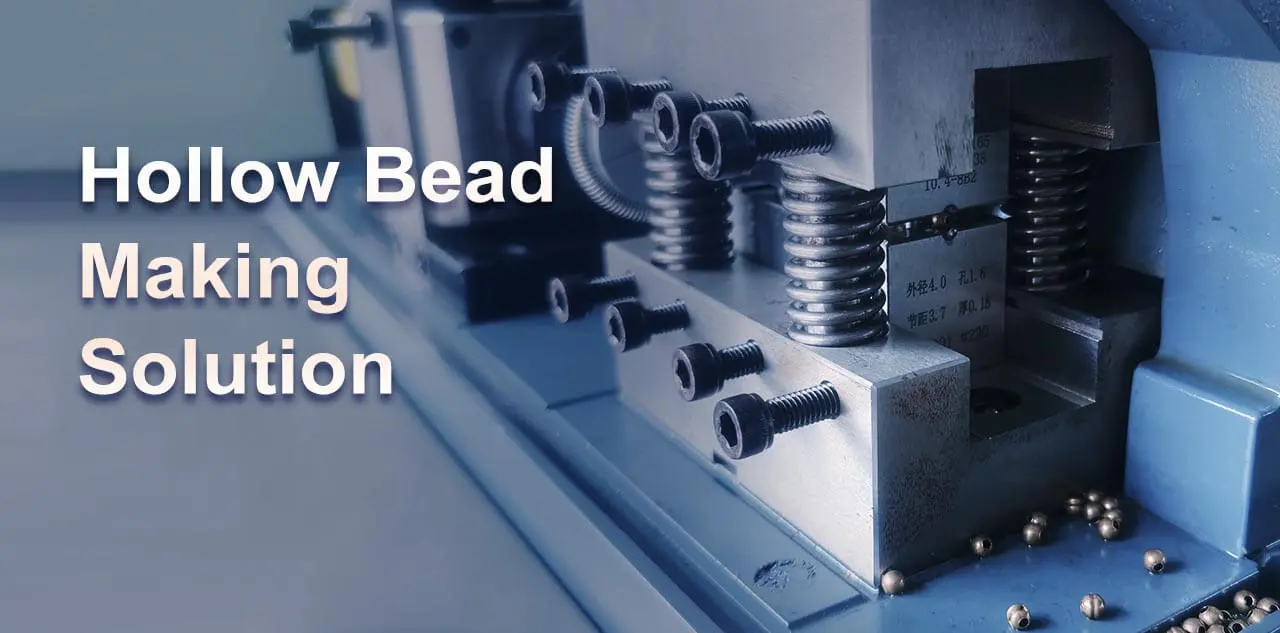
These machines ensure:
Consistent bead size
Smooth surface finish
High production efficiency
Reduced labor cost
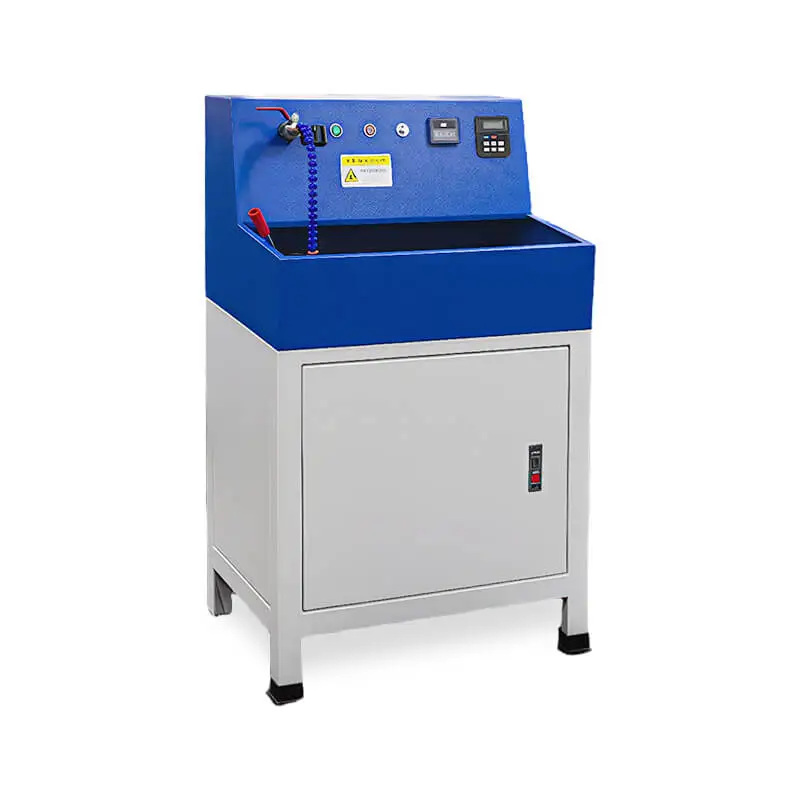
4. Polishing & Finishing
Beads are polished to remove surface imperfections and achieve a smooth, shiny finish.
This step ensures the final jewelry product meets luxury market standards.
5. Quality Inspection
Each bead is inspected for:
Size consistency
Surface smoothness
Structural integrity
Weight accuracy
Only qualified beads proceed to final jewelry assembly.
6. Surface Processing & Diamond Cutting
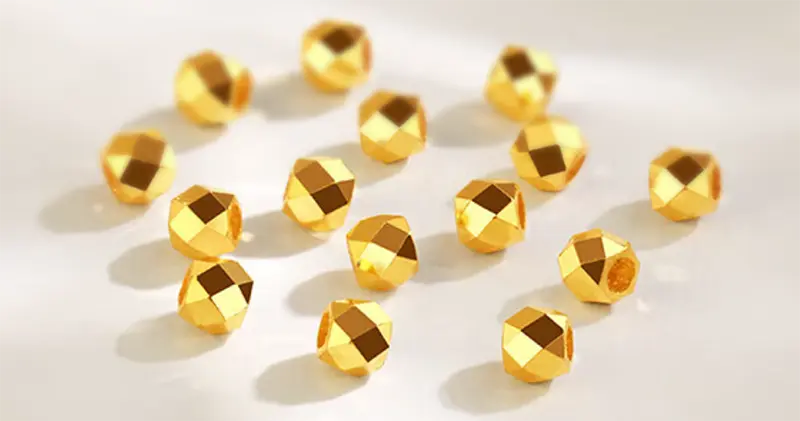
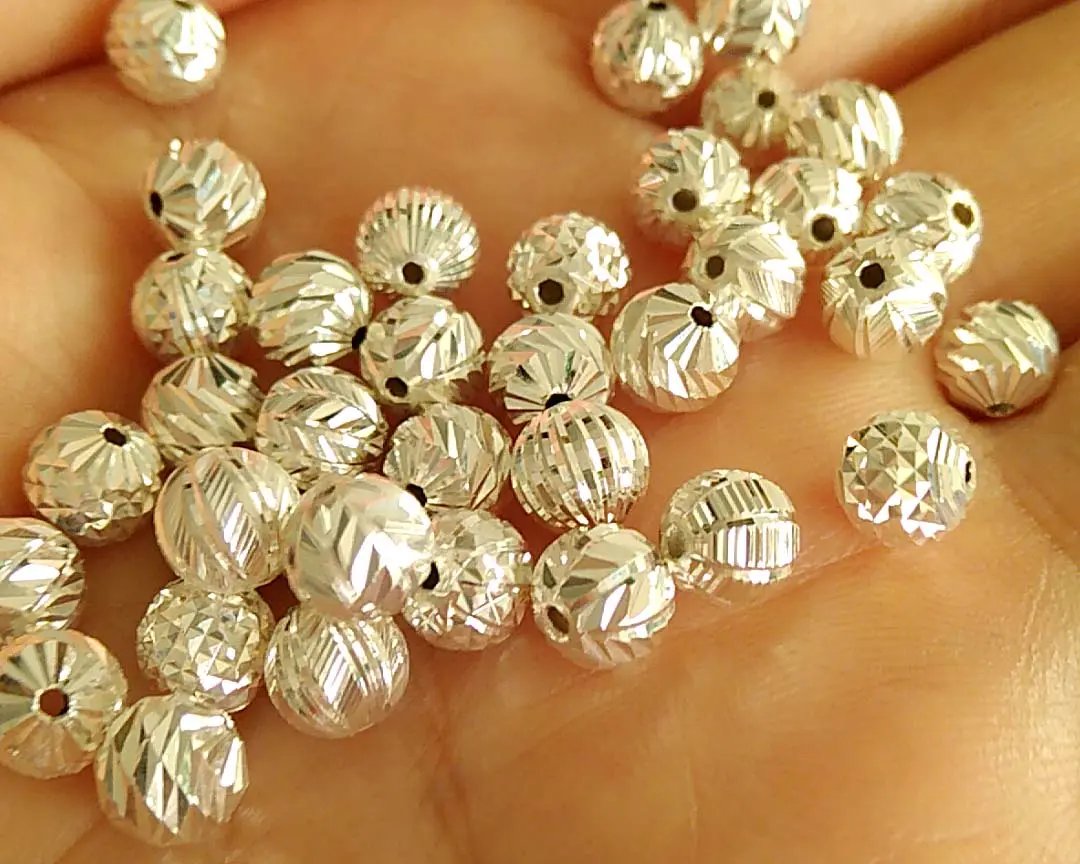
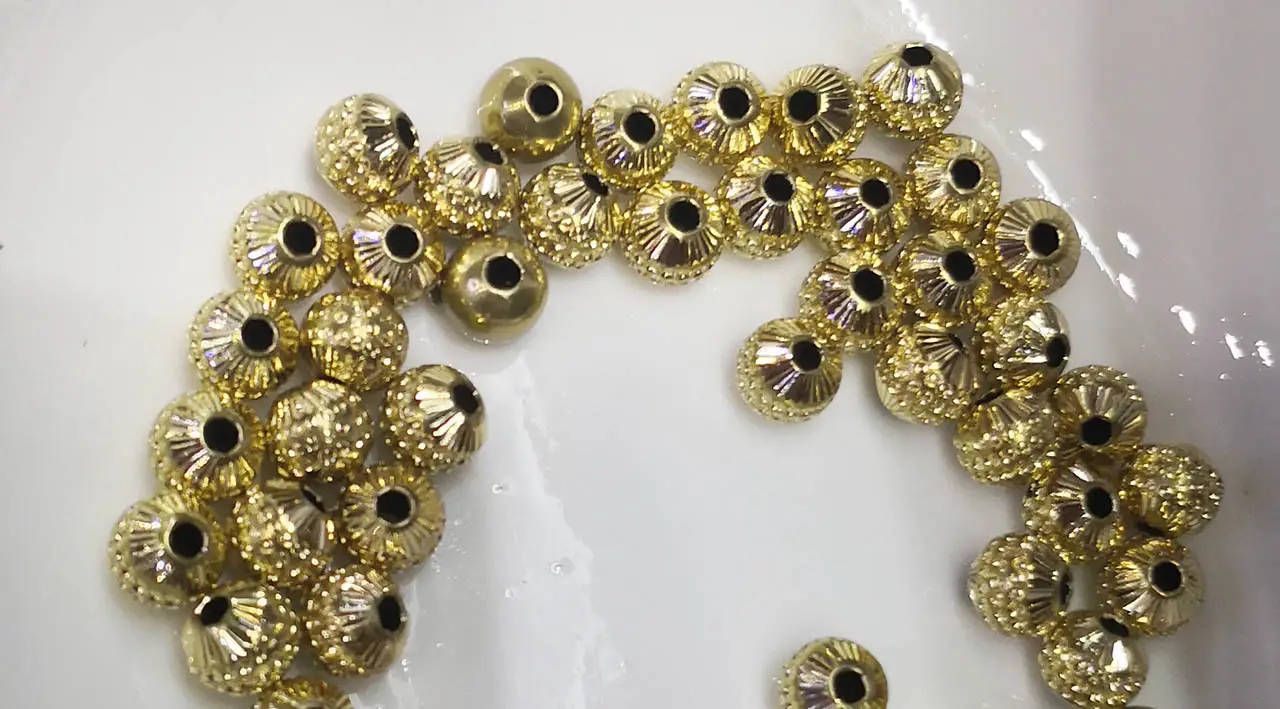
After forming, beads may undergo decorative processing such as diamond cutting to enhance brilliance and texture.
➡️Ball Tube Diamond Cutting Machine
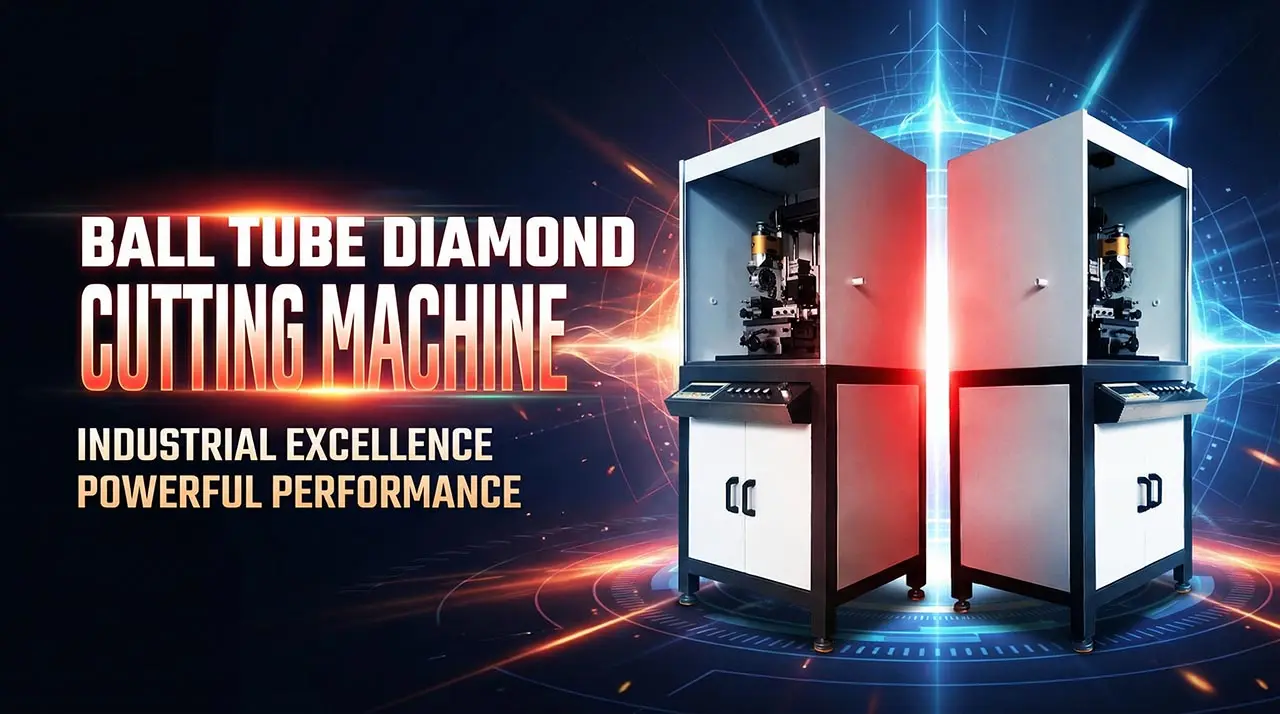
This process improves:
Light reflection
Aesthetic value
Jewelry design quality
Industrial Gold Bead Manufacturing (Modern Factory Method)
In modern jewelry factories, gold bead production is fully automated.
Compared to manual production, industrial systems provide:
✔ Higher production speed
✔ Lower labor dependency
✔ Stable quality output
✔ Continuous 24-hour operation
✔ Minimal material waste
Factories in regions like China’s Greater Bay Area widely adopt automated systems to scale production efficiently.
Machines Used in Gold Bead Production
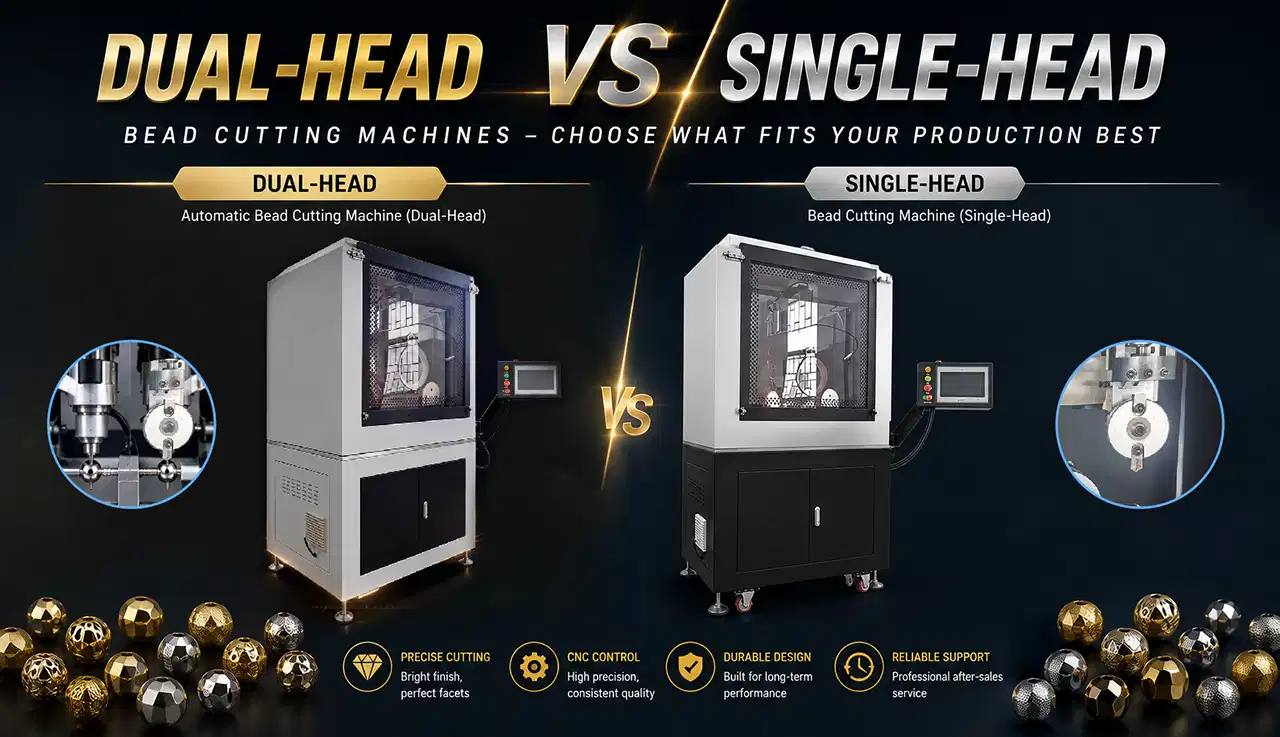
Modern jewelry manufacturers rely on specialized equipment such as:
Jewelry bead making machines
Diamond cutting machines
Wire processing systems
Automatic polishing equipment
CNC jewelry machinery
Why Automation Is the Future of Jewelry Bead Making
Automation is transforming traditional jewelry manufacturing by improving:
1. Efficiency
Machines can produce thousands of beads per hour with consistent quality.
2. Precision
Computer-controlled systems ensure identical bead shapes and sizes.
3. Cost Reduction
Less manual labor reduces long-term production costs.
4. Scalability
Factories can easily scale production for global demand.
Sible Jewelry Equipment Solutions
Sible provides advanced jewelry manufacturing machines designed for:
Gold wire processing
Bead forming and shaping
Diamond cutting and surface finishing
Automated jewelry production lines
Our equipment helps jewelry factories improve efficiency, reduce costs, and achieve stable high-quality output.
Frequently Asked Questions
How are gold beads made today?
Modern gold beads are produced using automated bead making machines combined with precision cutting and polishing systems.
What machine is used to make gold beads?
The most common machine is an automatic ball making machine designed for jewelry production.
Can gold beads be made manually?
Yes, but manual production is slower, less consistent, and not suitable for large-scale manufacturing.
What is the advantage of machine-made gold beads?
Machine-made beads offer better consistency, higher efficiency, and lower production costs.
Related Articles
➡️Gold Wire Manufacturing Process in Jewelry Industry
➡️Jewelry Production Automation Trends
Conclusion
Understanding how gold beads are made reveals the transformation of jewelry manufacturing from traditional craftsmanship to modern automated production.
Today, advanced machinery enables jewelry factories to achieve higher precision, faster production, and better product consistency—making automation the future of the jewelry industry.
Message Online


