
 Tiếng Việt

How to Make Hollow Gold Beads at Scale: Process, Machines & Costs
Hollow gold beads are a staple of modern jewelry manufacturing — they look full-size on the shelf but use only a fraction of the precious metal. For factories, that difference is the profit margin: a 10mm solid gold bead weighs roughly 3.2g, while a hollow gold bead of the same size (0.2mm wall) weighs just 0.6–0.8g. Yet the two sell for the same retail price. That is why hollow bead production has become one of the fastest-growing processes in gold jewelry manufacturing.
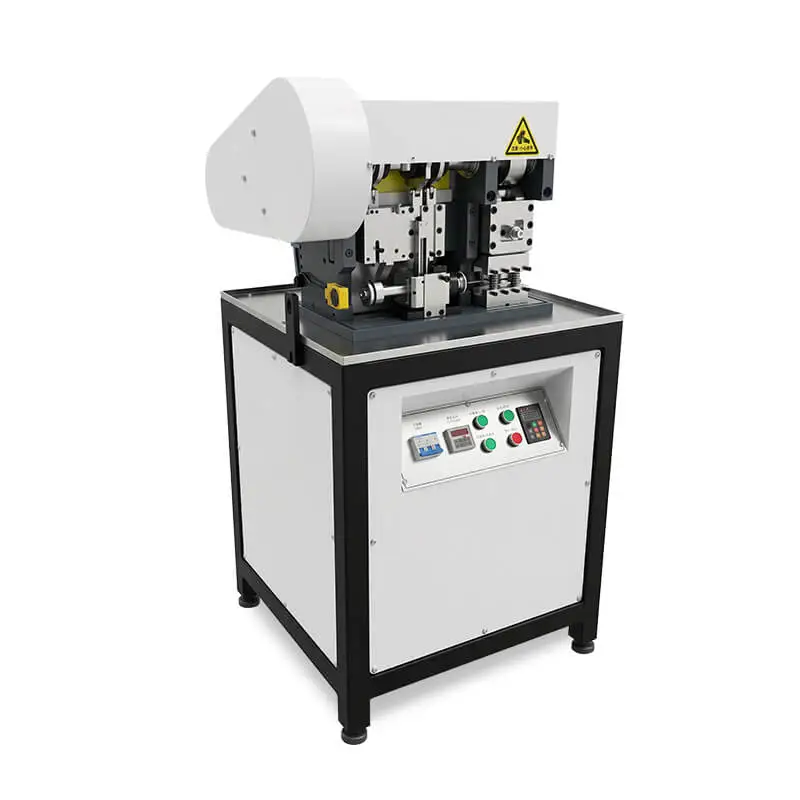
This guide explains how hollow gold beads are made at scale — from raw sheet metal to finished bead — and how automated hollow ball making machines deliver consistent output of 1.5–14mm beads at up to 120 pieces per minute.
What Are Hollow Gold Beads?
Hollow gold beads are spherical (or shaped) beads formed from thin gold sheet, with a sealed cavity inside instead of solid metal. The result is a bead that keeps the visual size of a solid bead at a fraction of the weight — typically 1/4 to 1/5 of the precious metal content.
Weight comparison: 10mm solid gold bead ≈ 3.2g vs hollow (0.2mm wall) ≈ 0.6–0.8g
Material saving: roughly 75–80% less gold per bead versus solid
Visual size: identical dimensions, lighter weight — "looks big, weighs little"
Margin impact: retail price similar to solid beads, so profit per gram of gold can be 2–3× higher
The Hollow Bead Making Process, Step by Step
Industrial hollow bead production follows a clear workflow:
Sheet preparation — Gold sheet is rolled to a precise thickness (typically 0.15–0.45mm depending on bead size and machine setup). The sheet must have sufficient elongation (≥15%) so it folds without cracking.
Blank stamping — The machine stamps circular blanks from the sheet.
Forming and folding — Each blank is pressed into a hemispherical cup, then the two halves are folded and sealed under controlled pressure, forming the hollow sphere. Edge folding and pressure sealing are adjusted by material and thickness.
Ejection and collection — Finished hollow beads are ejected automatically into a collection tray or hopper.
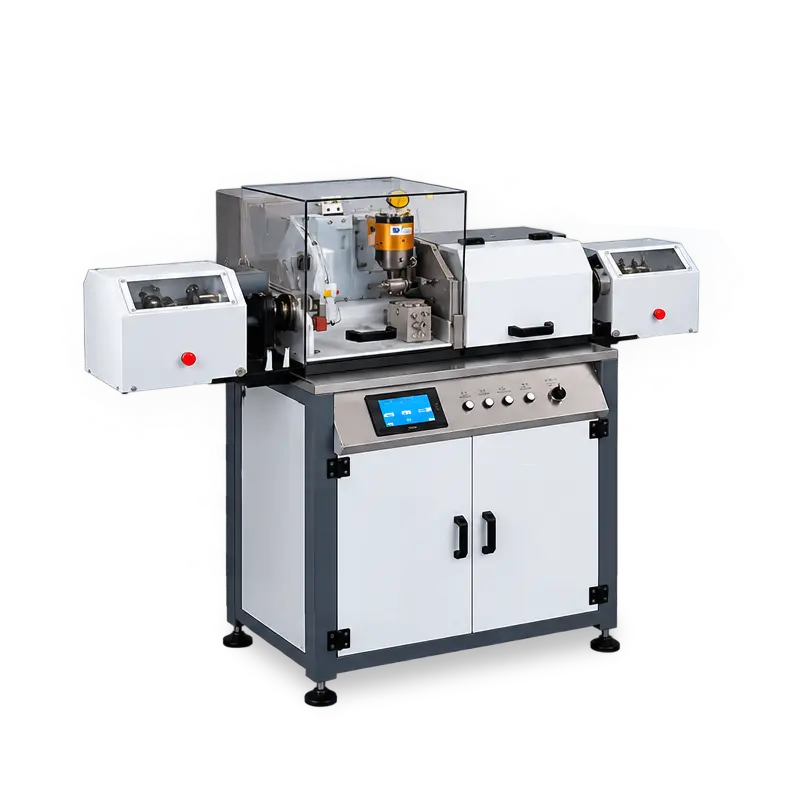
On a fully automatic hollow ball making machine, the entire sequence runs without manual intervention. One operator can typically supervise 2–3 machines at the same time.
Key Parameters for Hollow Bead Production
| Parameter | Typical Range / Value |
|---|---|
| Bead diameter | 1.5–14mm (custom molds for other sizes) |
| Wall / sheet thickness | 0.15–0.45mm |
| Production speed | Up to 120 pcs/min (~7,200 beads/hour) |
| Materials | Gold (14K/18K/24K), K-gold, silver, copper |
| Standard shapes | Round (2–14mm), olive (5–12mm), abacus (6–10mm), drop (8–14mm), custom |
| Machine power | 2.2KW, 220V 50Hz |
Solid vs Hollow: Which Should You Produce?
| Factor | Solid Beads | Hollow Beads |
|---|---|---|
| Gold usage | High (full volume) | ~1/4–1/5 of solid |
| Weight per 10mm bead | ≈ 3.2g | ≈ 0.6–0.8g |
| Production route | Ball making machine (forming from wire/sheet) | Hollow ball making machine (sheet forming) |
| Best suited for | High-end solid pieces, heirloom jewelry | Light luxury, fast fashion, volume lines |
| Cost per bead | High | Low — higher margin per piece |
Materials and Quality Notes
Sheet quality matters most — uniform thickness prevents weak spots and cracking during folding.
Elongation ≥15% — annealed sheet folds cleanly; hard sheet cracks at the fold line.
Pressure control — sealing pressure must match material and thickness to avoid leaks or deformation.
Post-processing — hollow beads can be tumbled, polished, or sent for diamond cutting and faceting to add decorative surfaces.
Building a Hollow Bead Production Line
A complete hollow bead line typically combines: sheet rolling → hollow ball making → optional faceting → polishing. To plan the right equipment for your production volume, see our guide on how to choose a jewelry making machine.
FAQ
How much gold do hollow beads save?
Hollow gold beads typically use 1/4 to 1/5 of the gold of a solid bead of the same size — roughly 75–80% material saving.
What sizes can hollow ball making machines produce?
Standard machines produce 1.5–14mm beads, with custom molds available for other sizes and shapes including round, olive, abacus and drop.
What metals can be made into hollow beads?
Gold (14K/18K/24K), K-gold, silver and copper are the standard materials for hollow bead production.
How fast is hollow bead production?
Automatic hollow ball making machines run at up to 120 pieces per minute — roughly 7,200 beads per hour.


Message Online


