
 Tiếng Việt

How to Choose a Jewelry Welding Machine for Your Factory
Welding is where jewelry components become finished pieces. Chain links get closed, clasps get attached, ring shanks get sized, and broken items get repaired — all at the welding station. The machine you choose determines weld quality, production speed, and how much skilled labor you need on the floor.
This guide explains the main types of jewelry welding machines, what each is best at, and the practical checklist we use when helping factories pick welding equipment.
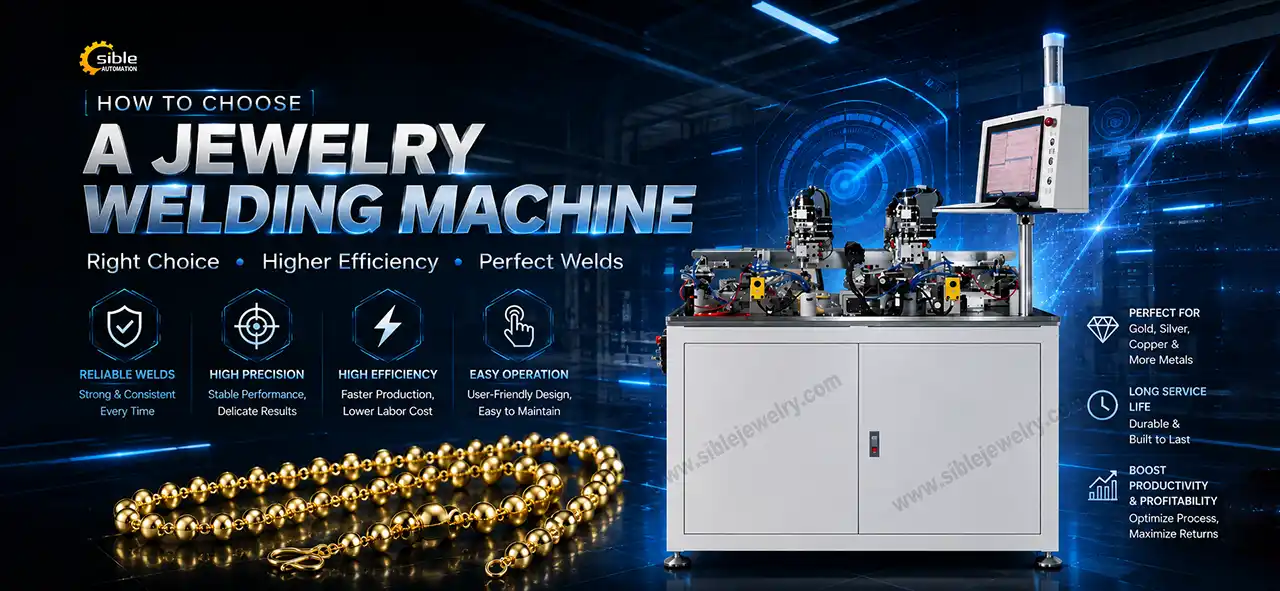
The Main Types of Jewelry Welding Machines
| Type | Best For | Materials | Skill Level |
|---|---|---|---|
| Laser welding | Precision spot welding, chain repair, ring sizing | Gold, silver, platinum, K-gold, stainless steel | Intermediate |
| Resistance (spot) welding | Chain assembly, component joining | Gold, silver, copper, brass | Beginner to intermediate |
| Micro torch / oxy-gas | Traditional soldering, larger components | All precious metals | Advanced (hand skill) |
| Induction welding | High-volume, uniform joints | Gold, silver | Low (automated) |
For chain production specifically, factories most often choose between two machine families: semi-automatic chain welding machines for consistent batch welding, and automatic bead chain linking machines that weld and assemble in one pass.
Semi-Automatic Bead Chain Welding Machines
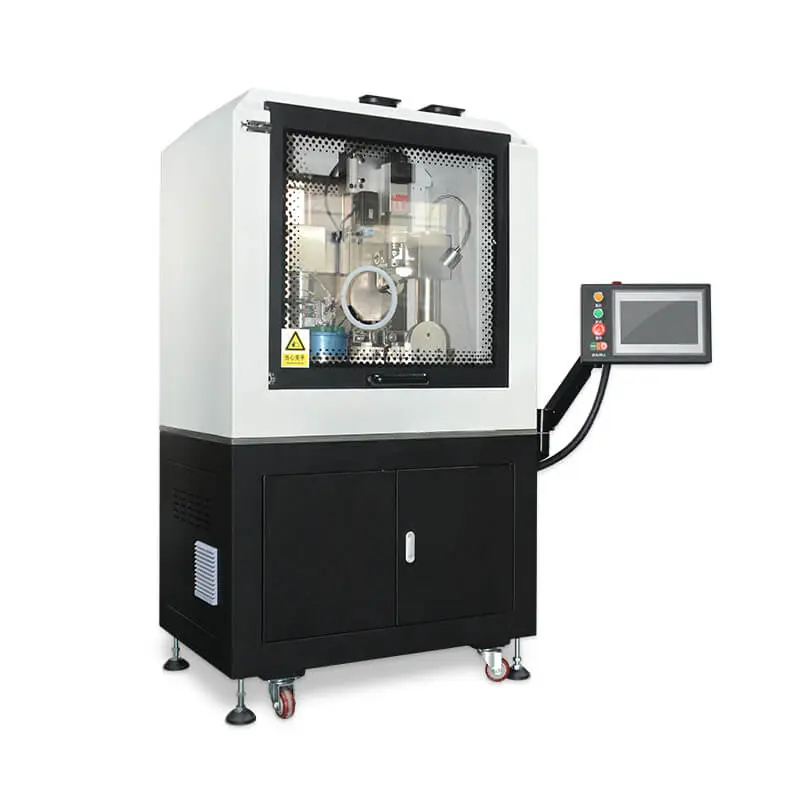
A semi-automatic bead chain welding machine focuses on one job: making welds that are strong, consistent, and visually clean. It is the upgrade path for workshops that previously welded chain by hand or with low-efficiency equipment.
Typical specifications (SIBLE Semi-Automatic Bead Chain Welding Machine):
| Parameter | Value |
| Applicable materials | Gold, silver, copper, K gold |
| Processing specifications | Tailored to customer requirements |
| Working speed | Approx. 8–12 grains/min |
| Dimensions | 600 × 800 × 700 mm |
| Voltage | 220V 50Hz |
| Power | 1.5 kW |
| Control system | LCD |
| Weight | 75 kg |
Key advantages:
Stable weld quality — precise control of welding parameters means consistent, strong welds with fewer weak joints or broken chains.
Improved efficiency — semi-automatic operation cuts manual labor significantly, ideal for medium-to-large batch production.
Easy to learn — a user-friendly design reduces reliance on highly skilled operators.
Versatile material compatibility — works with gold, silver, copper, and K-gold chains.
Durable and low maintenance — industrial-grade structure keeps long-term maintenance costs low.
Automatic Bead Chain Linking Machines
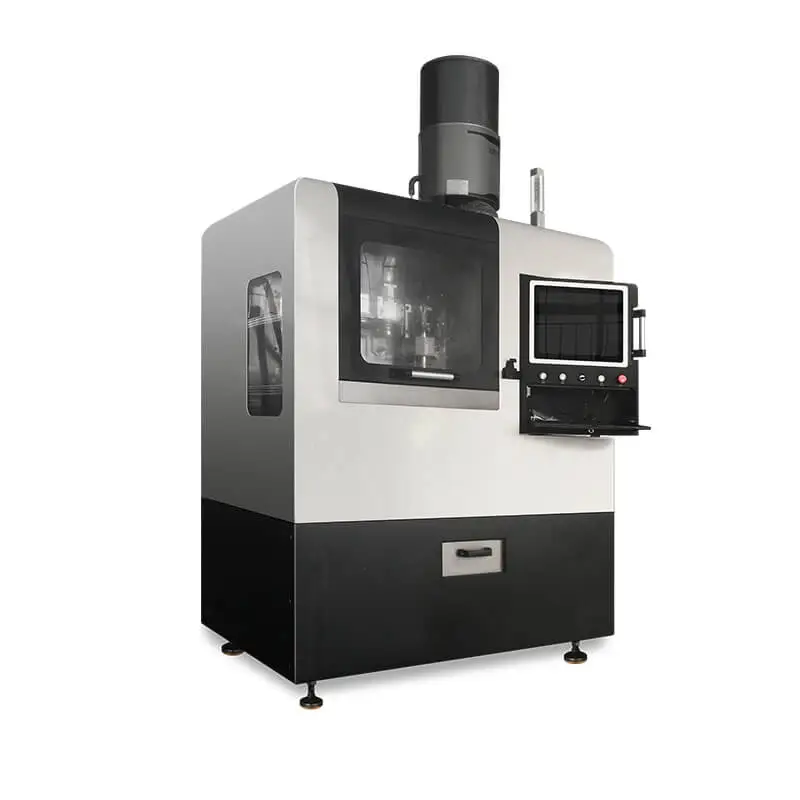
If you produce bead chains in volume, an automatic bead chain linking machine turns loose beads into finished chain in one pass: it positions each bead, links it to the previous one, welds the joint, and buckles it shut — without an operator touching the piece.
Typical specifications (SIBLE Beads Chain Linking Making Machine):
| Parameter | Value |
| Applicable materials | Gold, silver, copper, K gold |
| Processing specifications | Φ2.5mm – Φ8.0mm |
| Minimum bead size | 0.3mm |
| Working speed | 6–8 capsules/min |
| Dimensions | 750 × 1160 × 1600 mm |
| Voltage | 220V 50Hz |
| Power | 1.5 kW |
| Air source pressure | 0.5–0.8 MPa |
| Control system | Windows-based |
| Weight | 320 kg |
Why factories choose this type:
Automatic welding & buckling — linking, welding, and buckling are integrated, so each chain is uniform and sturdy with no weak joints.
24-hour continuous operation — built for high-volume production with a stable, durable structure for round-the-clock shifts.
Wide bead compatibility — handles beads as small as 0.3mm, covering delicate micro-bead chains as well as larger styles.
Alarm & self-test system — instant fault detection keeps production safe and downtime low.
Easy operation — a Windows-based control interface makes setup and changeover straightforward.
Practical Welding Tips by Metal
Welding behavior differs sharply between metals. Here is what we tell our customers:
24K gold — use the lowest power settings and shortest pulse durations. Pure gold conducts heat very quickly and deforms easily. Several light welds beat one strong weld.
14K–18K gold — standard parameters work well. Preheating the component reduces thermal shock and improves weld penetration.
White gold — nickel or palladium content changes welding behavior. Test on scrap first to find the optimal settings.
Silver — welds cleanly and flows well, but silver oxide can hurt weld quality. Clean the area thoroughly before welding. Silver's high thermal conductivity means it dissipates heat fast; use slightly higher power than for gold.
Platinum and palladium — require significantly higher welding temperatures. Use dedicated high-power settings and ensure adequate ventilation (platinum welding produces fine metal fumes). Preheating is strongly recommended.
How to Choose the Right Jewelry Welding Machine
Define the job. Chain assembly at volume → automatic bead chain linking machine. Batch welding of chain segments → semi-automatic chain welding machine. Ring sizing, chain repair, clasp work → a flexible welding machine suited to bench work.
Check material compatibility. Gold, silver, copper, and K-gold are standard, but confirm your specific alloys — especially white gold and platinum, which need different parameters.
Match speed to demand. Output is stated in capsules/min or grains/min. Estimate your daily target and buy with headroom.
Decide on automation level. Fully automatic machines cost more but cut labor; semi-automatic machines are more affordable and still remove the most tedious manual steps.
Check utility requirements. 220V 50Hz is typical. Automatic machines may also need compressed air (e.g., 0.5–0.8 MPa) — confirm your workshop's supply before ordering.
Plan for uptime. If you run volume, check duty cycle, the control system, and whether the machine has self-diagnostics (alarm and self-test systems save real downtime).
Ask about spares and after-sales. A 12-month warranty, remote video guidance, and consumables like welding torch tips and nozzle units protect your uptime.
Frequently Asked Questions
What is the difference between a laser welding machine and a chain welding machine?
A laser welding machine delivers precise, focused spot welds — ideal for ring sizing, chain repair, and component assembly on many jewelry types. A chain welding machine is purpose-built for joining bead chain segments at production speed, with parameters tuned for consistent, uniform chain welds.
Can one welding machine handle gold, silver, and platinum?
Yes, machines designed for jewelry welding generally cover gold, silver, copper, and K-gold. Platinum and palladium need higher power settings and more careful parameter control — confirm the machine's power range covers them before buying.
How long does it take to learn jewelry welding?
Basic laser welding operation can be learned in 1–2 days. Consistent, high-quality welds across different materials and joint types typically take 2–4 weeks of regular practice. Semi-automatic chain welding machines are designed to be easy to learn and reduce reliance on highly skilled operators.
Do automatic chain welding machines run continuously?
Models built for factory use — like the SIBLE automatic bead chain linking machine — are designed for 24-hour continuous operation, with an alarm and self-test system for fault detection.
What consumables do I need to stock?
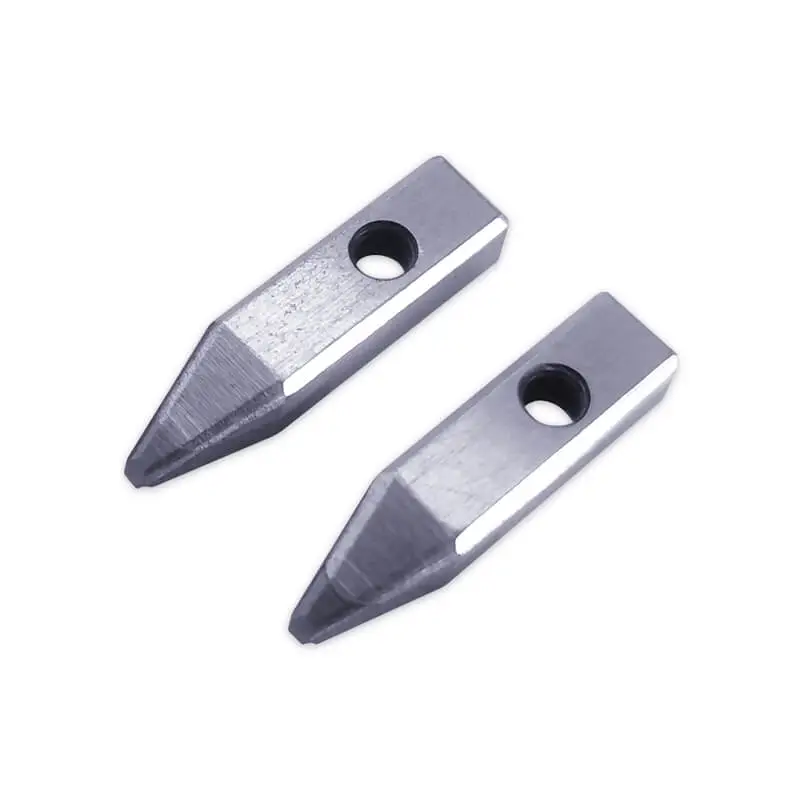
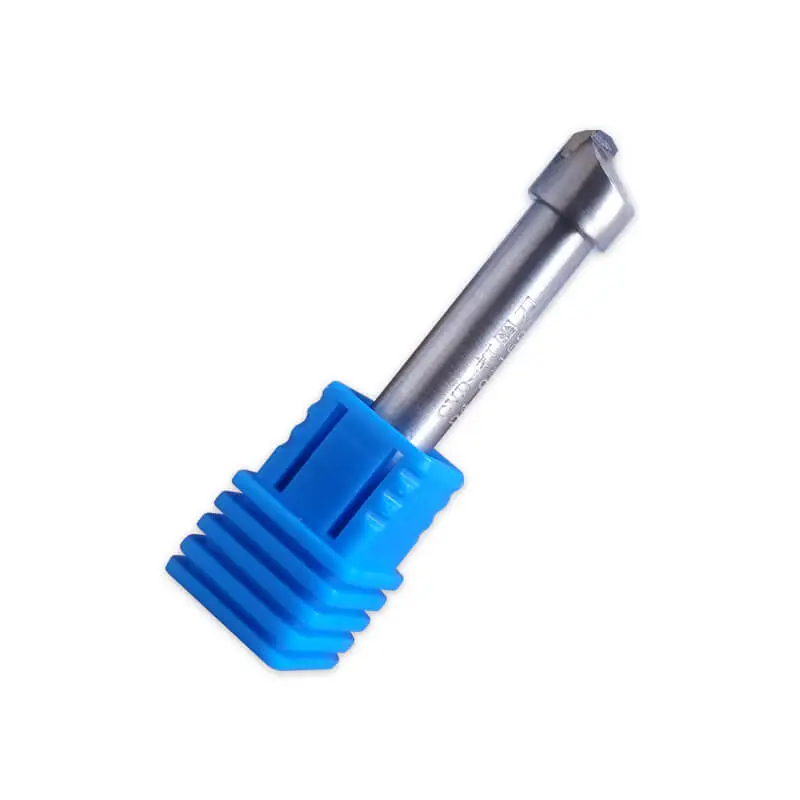
For welding: spare laser bulbs (if applicable), focusing lenses, and protective eyewear. For chain welding machines: welding torch tips and nozzle units. Check genuine compatibility with your machine model before purchasing.
Related Reading
Jewelry Welding Machines — Full Product Range — browse SIBLE's welding solutions.
Semi-Automatic Bead Chain Welding Machine — specs and advantages for batch welding.
Automatic Beads Chain Linking Making Machine — full specifications for one-pass chain production.
Gold Jewelry Production Line: Machines & Workflow Explained — where welding fits in a complete production line.
Wire Drawing Machine for Jewelry: A Complete Guide — how the wire that feeds your chain machines is produced.

Message Online


