
 Tiếng Việt

The Complete Guide to Choosing a Diamond Wire Cutting Machine for Jewelry Production (2026 Edition)
In modern jewelry manufacturing, precision and efficiency determine production success. Whether working with gold, silver, copper, or alloy wire, selecting the right diamond wire cutting machine directly impacts surface finish, cutting accuracy, and overall production capacity.
This comprehensive guide explains how to evaluate, compare, and select the most suitable machine for your jewelry factory.
Why Diamond Wire Cutting Technology Matters in Jewelry Production
Unlike traditional manual cutting methods, a diamond wire cutting system offers:
1.High-precision surface texturing
12.Consistent cutting depth
3.Increased production speed
4.Reduced material waste
5.Lower long-term labor costs
For manufacturers scaling production, automation is no longer optional — it is a competitive necessity.
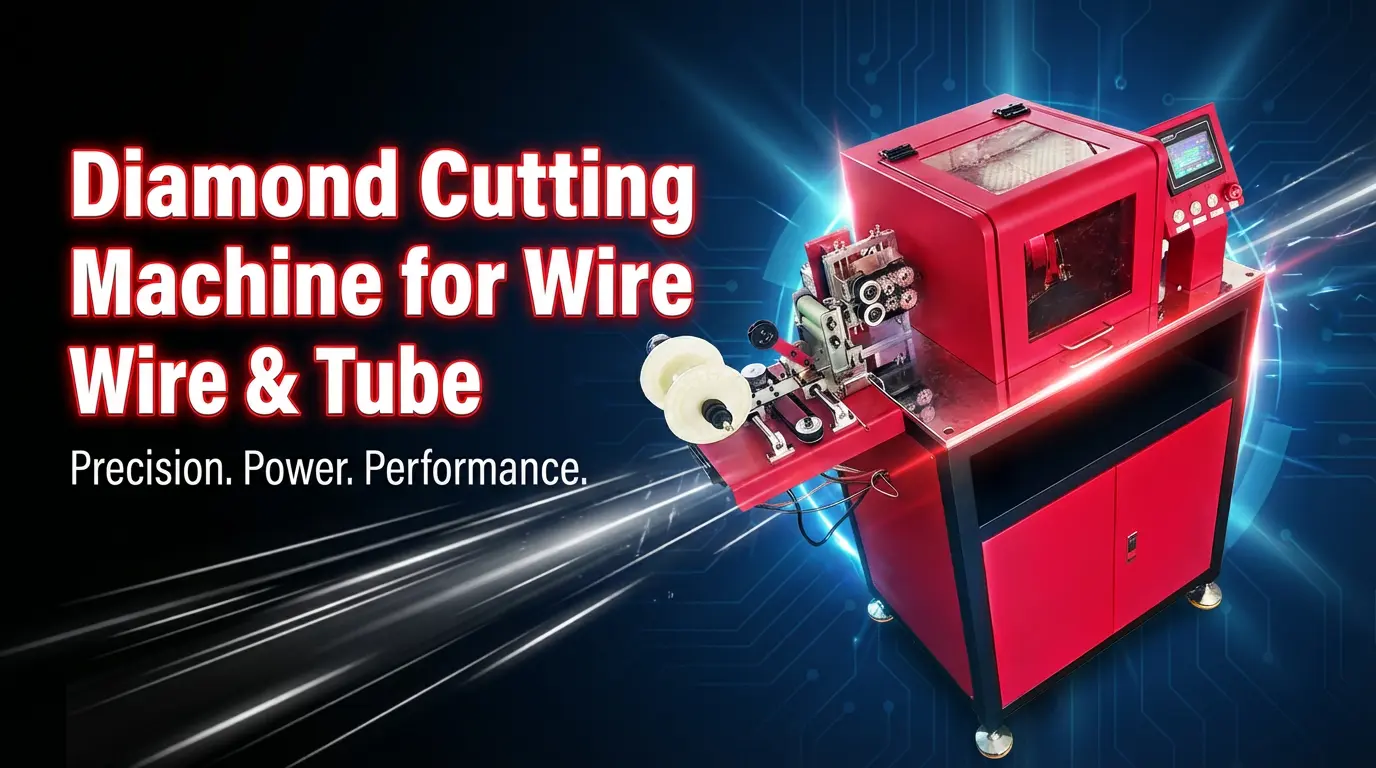
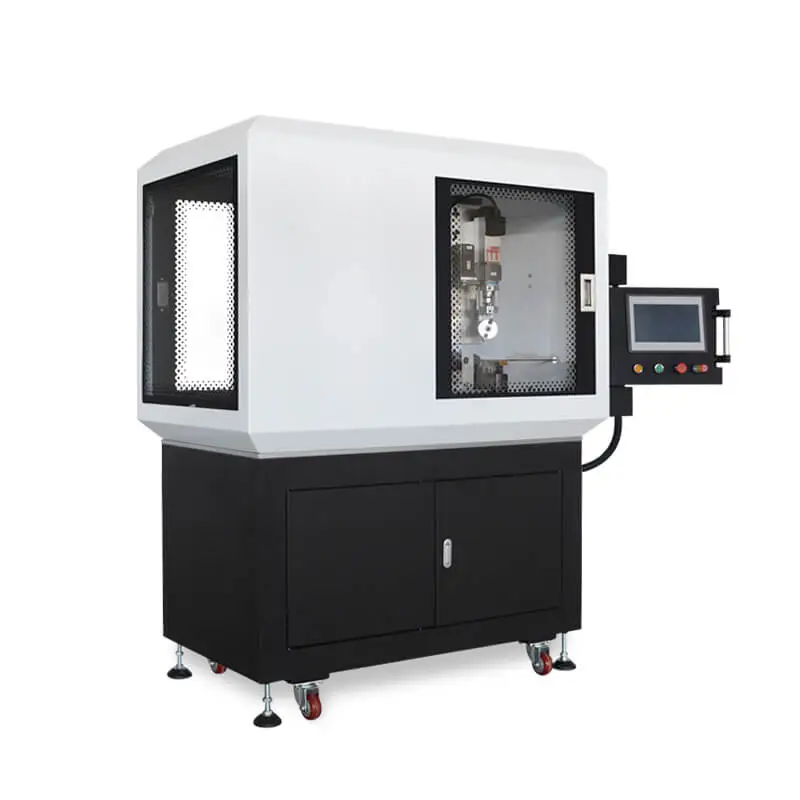
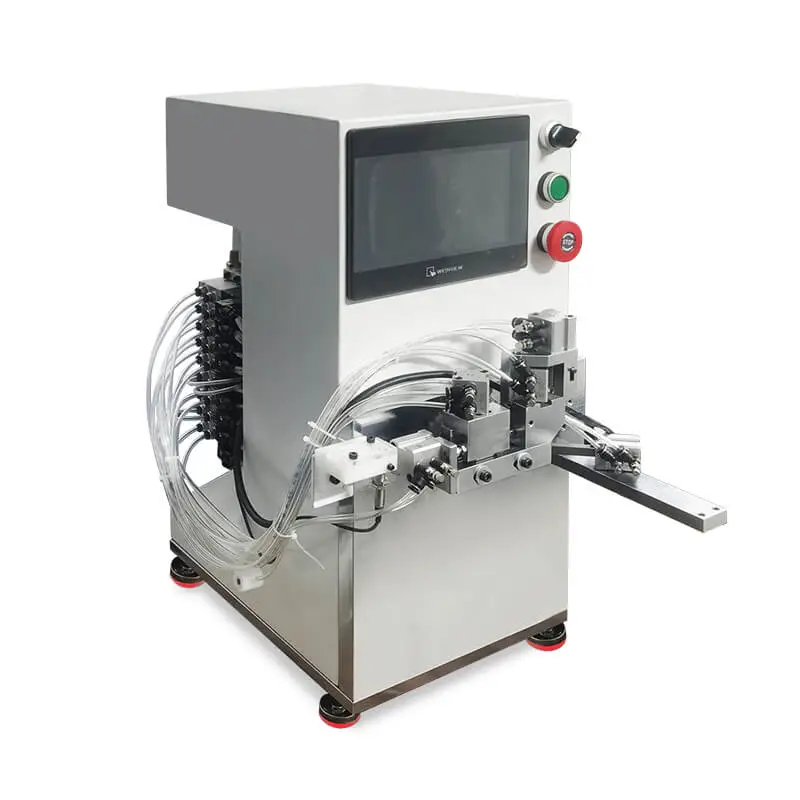
1You can explore a full equipment overview here:
▶Diamond Wire Cutting Machine for Wire & Tub
1️⃣ Understand Your Production Requirements
Before selecting a machine, clarify:
✔ Material Type
1.Gold
2.Silver
3.Copper
4.Brass
5.Alloy wire/tube
Different materials require different cutting torque and spindle stability.
✔ Wire or Tube Diameter Range
Ensure the machine supports your minimum and maximum diameter specifications.
✔ Production Volume
Small workshop? Medium factory? Large export manufacturer?
Automation level must match output expectations.
2️⃣ Automatic vs Semi-Automatic Systems
Fully Automatic Machines
1.Higher output
2.Stable quality control
3.Lower labor dependency
4.Suitable for export-oriented factories
Semi-Automatic Machines
1.Lower investment
2.Flexible operation
3.Suitable for small-scale workshops
For high-efficiency factories, automatic systems provide better ROI within 6–12 months.
3️⃣ Cutting Precision and Surface Finish
Precision defines product value in jewelry manufacturing.
Key evaluation factors:
1.Spindle stability
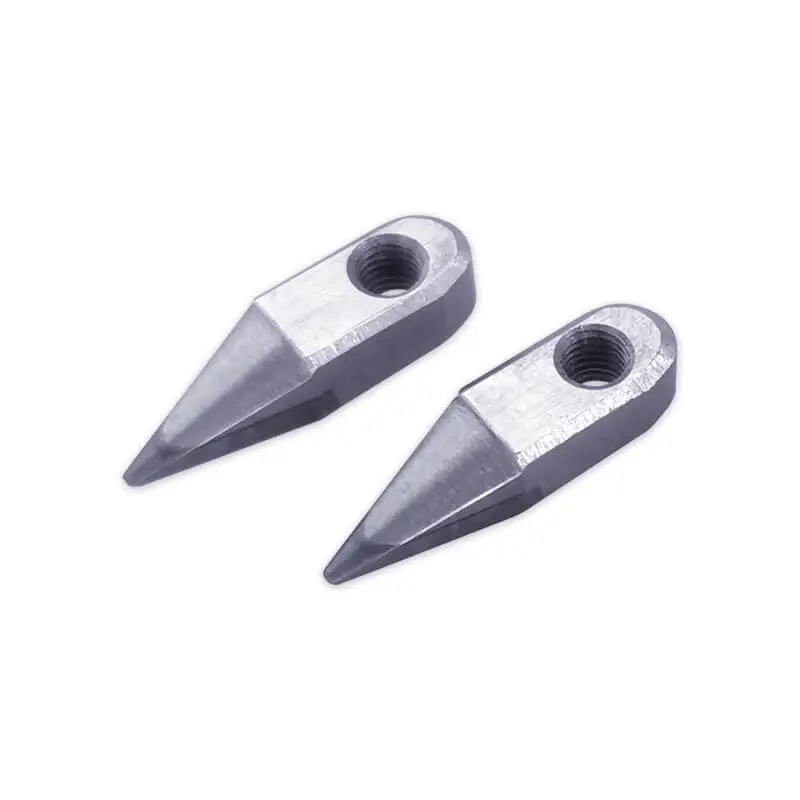
2.Diamond blade quality
3.Vibration control design
4.Feed accuracy system
Advanced machines ensure uniform texture patterns on beads, chains, and decorative wire components.
Related reading:
▶Jewelry Processing Techniques and Modern Craftsmanship
4️⃣ Machine Stability & Noise Control
Professional equipment should include:
1.Low-noise structural design
2.Balanced transmission system
3.Flexible impact reduction structure
4.Long service life components
Stable machines not only improve precision but also reduce maintenance frequency.
5️⃣ After-Sales Support & Spare Parts Availability
When investing in industrial equipment, consider:
1.Spare parts lead time
2.Technical remote support
3.Installation guidance
4.Training availability
Reliable manufacturers provide full lifecycle service support.
Production Case Example
A mid-sized jewelry factory upgrading from manual cutting to an automatic diamond wire cutting system achieved:
1.40% increase in production speed
2.30% reduction in material waste
3.Consistent surface texture quality
4.2-person labor reduction per production line
Automation transforms profitability.
Frequently Asked Questions
What materials can a diamond wire cutting machine process?
Most professional machines process gold, silver, copper, brass, and alloy wire or tubes used in jewelry production.
What is the typical lifespan of diamond cutting tools?
With proper maintenance, cutting tools can operate efficiently for several months depending on workload intensi
ty.
How do I choose between wire and tube cutting models?
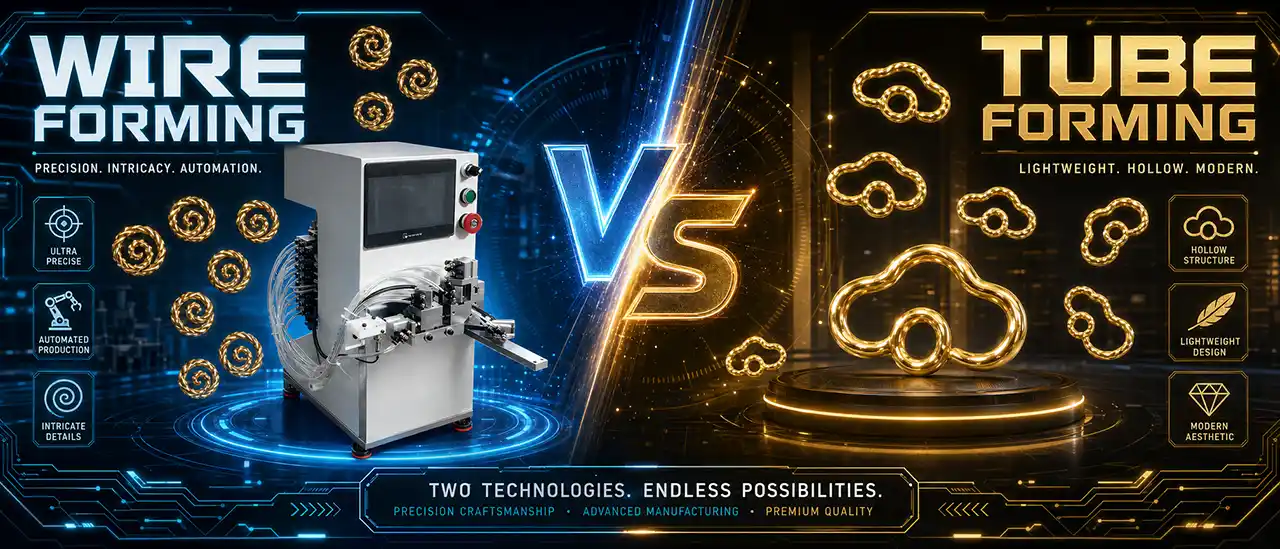
It depends on whether your production focuses on solid wire shaping or hollow tube decorative processing.
Final Recommendation
Choosing the right diamond wire cutting machine is not simply about price — it is about:
1.Long-term precision
2.Production scalability
3.Return on investment
4.Brand quality positioning
If you are planning to upgrade your jewelry production line, explore professional solutions designed for modern manufacturing.
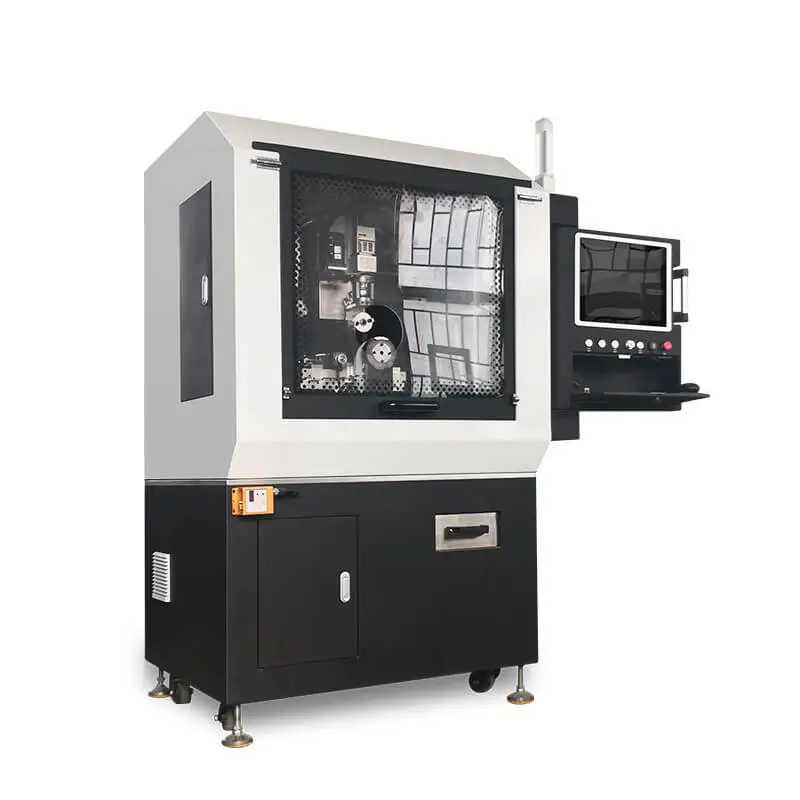
▶View Full Product Specifications
▶Contact Our Technical Team for Consultation

Message Online


