
 Tiếng Việt

The Art of Transformation: The Journey of a Jewelry from Sketch to Masterpiece
Every exquisite piece of jewelry is more than just a beautiful combination of precious metals and gems; it's a testament to meticulous craftsmanship. Have you ever wondered how a simple sketch is transformed, through a series of precise steps, into a stunning work of art for your finger or neckline? Join us as we unveil the core jewelry manufacturing process, tracing the journey of gold, platinum, and silver from raw materials to breathtaking finished pieces.
Step 1: The Birth of an Idea – Design & Drawing
Every masterpiece begins with a vision. The first step in jewelry crafting is design and drawing. Designers capture fleeting inspiration through hand-drawn sketches or use specialized software for digital modeling to define every detail with precision. Today, advanced 3D scanning technology can also efficiently convert physical models into digital files, laying a solid foundation for subsequent production.
Step 2: Purifying the Elements – Melting & Refining
Once the design is finalized, the preparation of materials begins. Melting is the process of using high heat to transform solid precious metal raw materials into a pure liquid state. Modern workshops primarily use induction melting technology, a method that is not only efficient in purifying metals but also more economical and environmentally friendly, ensuring the purity and high quality of the jewelry materials.
Step 3: Sculpting the Form – Wax Carving & 3D Printing
This is the crucial step that turns a 2D design into a 3D form. Artisans meticulously hand-carve the design into special wax blocks based on the drawings. With technological advancements, 3D printing is now widely used in this stage, capable of rapidly and accurately producing wax patterns with complex structures. These wax models serve as the blueprint for the casting process.
Step 4: A Stroke of Genius – Pre-Setting Stones in Wax
For intricate pieces that require pavé or channel-set gemstones, the stone setting process can sometimes be done early. Using the lost-wax casting method, artisans temporarily fix the gems into their designated places within the wax model. When the mold is heated, the wax melts and drains away, leaving the stones perfectly embedded in the metal in a single, highly precise step.
Step 5: Giving It Substance – Casting
Casting comes in two forms: Semi-finished casting involves pouring molten metal into molds to create basic shapes like blocks, rods, or tubes. Finished product casting, typically using the lost-wax method, creates near-complete jewelry items like rings, necklaces, and pendants from the prepared wax models (which may already have pre-set stones).
Step 6: The Power of Form – Rolling & Forming
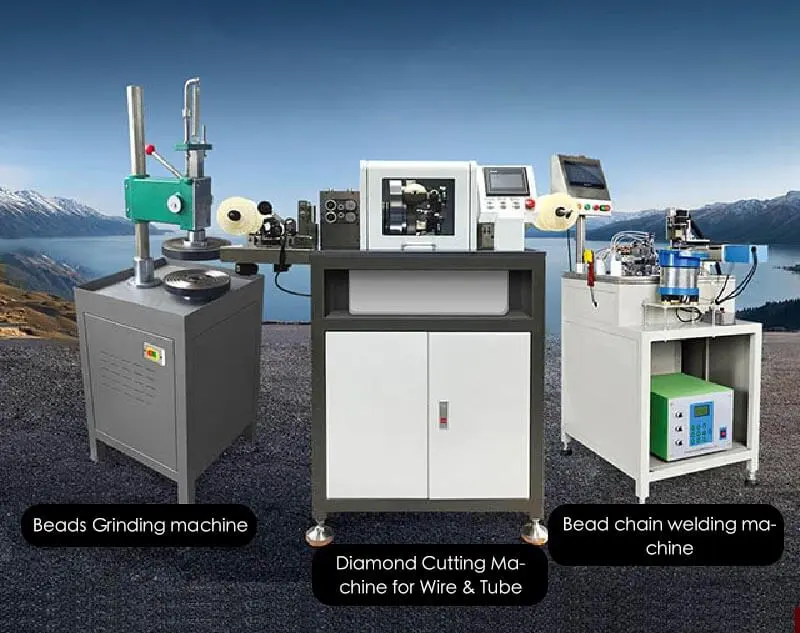
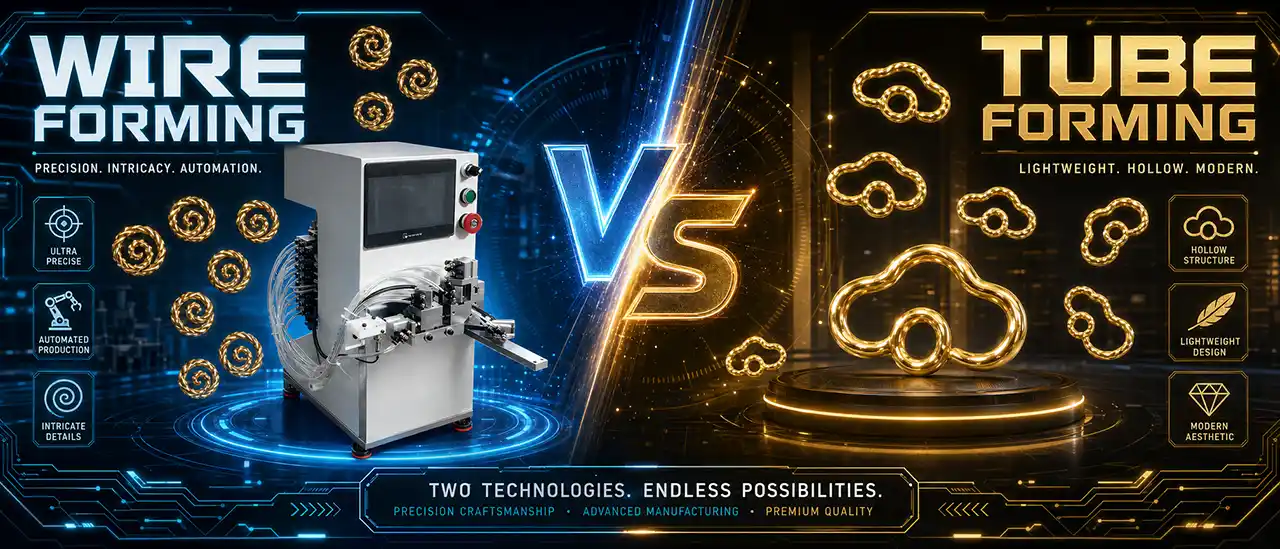
Rolling/Metal Forming uses immense pressure from rolling mills to shape metal, for instance, pressing ingots into thin sheets or drawing thick rods into fine wires. The forming process is even more diverse, encompassing techniques like weaving fine metal wires into delicate chains or hammering hollow tubes into rounded beads, showcasing the malleable beauty of metal.
Step 7: Imprinting Character – Stamping & Decoration
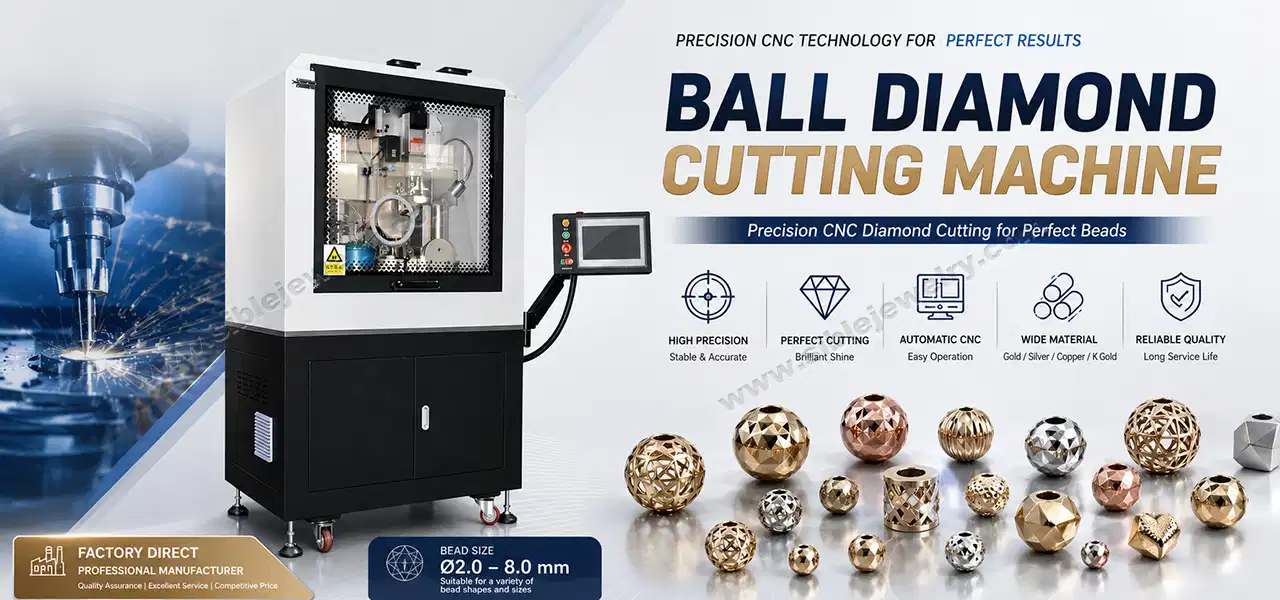
Stamping utilizes dies and stamping presses to apply tremendous pressure onto metal sheets, embossing intricate patterns, textures, or logos onto the surface. The decoration process adds further artistry, such as using high-speed rotating diamond burs to engrave regular, fine lines (like the classic guilloché or engine-turning) onto the metal, giving the piece deeper visual texture and a captivating play of light.
In Conclusion
The journey from a sketch to a finished piece is a harmonious blend of time-honored handcraft techniques and cutting-edge modern technology. Each step is imbued with the artisan's skill and dedication, representing the ultimate pursuit of aesthetics. It is these intricate and precise jewelry manufacturing processes that collectively forge the unique soul and enduring value of every piece of jewelry.

Message Online


