
 Tiếng Việt

Wire and Tube Forming Machines for Jewelry Manufacturing: Applications, Techniques, and Buyer's Guide
Wire and tube forming machines are critical equipment in jewelry manufacturing, enabling the creation of consistent, high-quality wire and tube profiles essential for chains, bracelets, rings, and findings. This comprehensive guide covers the applications, techniques, and factors to consider when selecting the right forming machine for your production line.
What Are Wire and Tube Forming Machines?
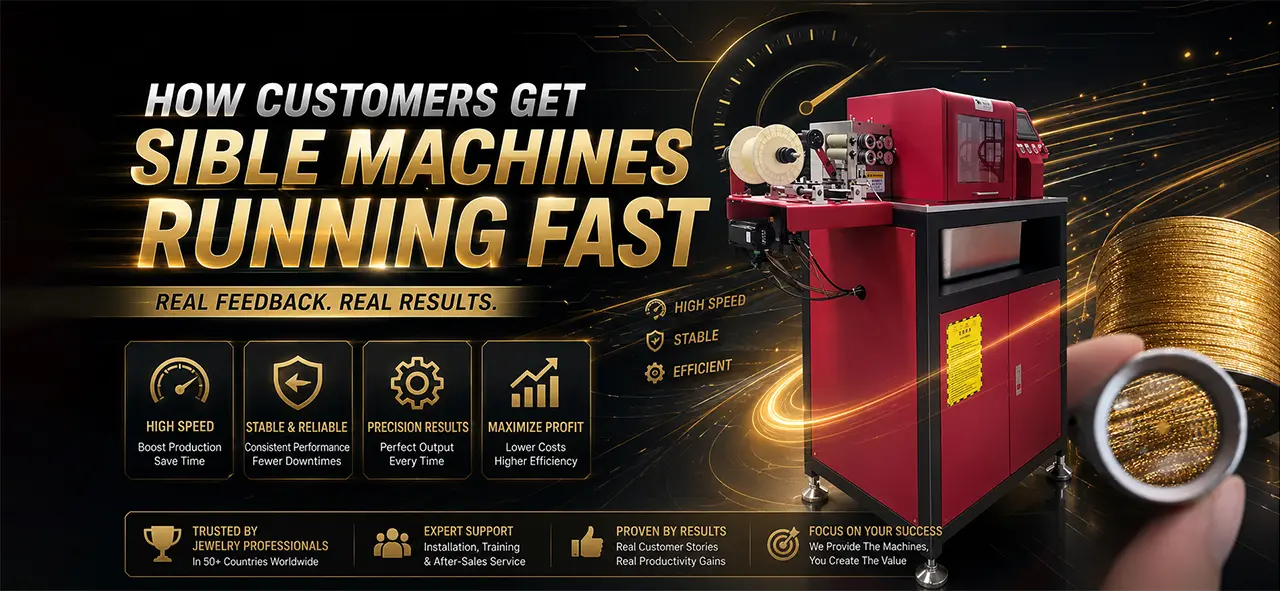
Wire and tube forming machines are specialized industrial equipment that shape metal wire and tubing into precise profiles and dimensions through mechanical deformation processes. Unlike cutting or machining, forming preserves material integrity while achieving the desired shape — making it ideal for precious metal processing where material conservation is paramount.
These machines come in various configurations depending on the forming technique employed, and they serve as the backbone of many jewelry manufacturing operations, from small workshops to large-scale factories.
Applications in Jewelry Manufacturing
1. Chain and Bracelet Production
Formed wire profiles are the foundation of most chain and bracelet manufacturing. Wire forming machines produce consistent cross-sections that ensure uniform link quality throughout the production run, reducing waste and improving final product aesthetics.
2. Ring and Bangle Making
Tube forming technology allows manufacturers to create hollow and solid profiles for rings and bangles with precise wall thickness and diameter specifications, critical for comfortable fit and durability.
3. Findings and Components
Clasps, jump rings, earring posts, and other findings require precise wire and tube profiles. Forming machines deliver the repeatability needed for these small but crucial components where even minor variations affect functionality.
4. Decorative Elements
From filigree to surface-textured wire, forming machines enable decorative elements that add value to fine jewelry without additional manual labor costs.
Types of Wire and Tube Forming Techniques
Roll Forming
Roll forming passes metal through successive sets of rollers, each gradually shaping the material until the final profile is achieved. This technique is ideal for producing consistent, long lengths of wire or tubing with uniform cross-sections.
Best for: High-volume production of standardized profiles
Drawing
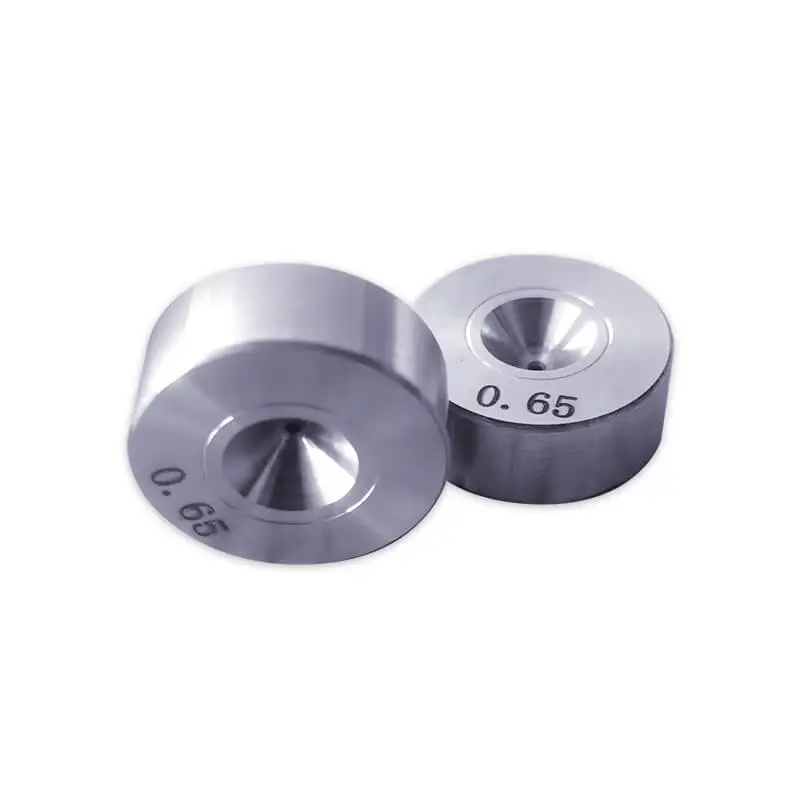
Wire drawing reduces the diameter of wire by pulling it through progressively smaller dies. Tube drawing works similarly but uses mandrels to control internal diameters. This technique achieves tight tolerances and smooth surface finishes.
Best for: Precision wire and tube with exact dimensional requirements
Bending and Forming
Dedicated bending machines create specific curves, angles, and shapes from straight wire or tube stock. CNC-controlled bending machines can produce complex geometries with high repeatability.
Best for: Custom shapes, complex geometries, and multi-bend profiles
Swaging
Swaging uses radial force to reduce or shape metal tubing and wire without removing material. This cold-forming process is particularly valuable for creating tapered sections and specialized jewelry components.
Best for: Tapered components and seamless profile transitions
Key Considerations When Choosing a Forming Machine
Material Compatibility
Different precious metals and alloys behave differently under forming pressure. Ensure the machine you select can handle your primary materials (gold, silver, platinum, palladium, copper alloys) and their typical hardness ranges. Machines with adjustable pressure and speed settings offer greater flexibility across materials.
Precision and Tolerance Requirements
Jewelry applications typically require tolerances in the micron range. Look for machines with:
Servo-driven precision control systems
Digital readouts for setup and monitoring
Repeatable accuracy within ±0.01mm or better
Consistent performance across long production runs
Production Volume and Speed
Your production volume dictates the appropriate level of automation:
Small workshops (1-5 kg/day): Manual or semi-automatic forming machines with quick changeover
Medium operations (5-20 kg/day): Automatic forming machines with programmable profiles
Large factories (20+ kg/day): Fully automated forming lines with integrated feeding and collection systems
Ease of Setup and Changeover
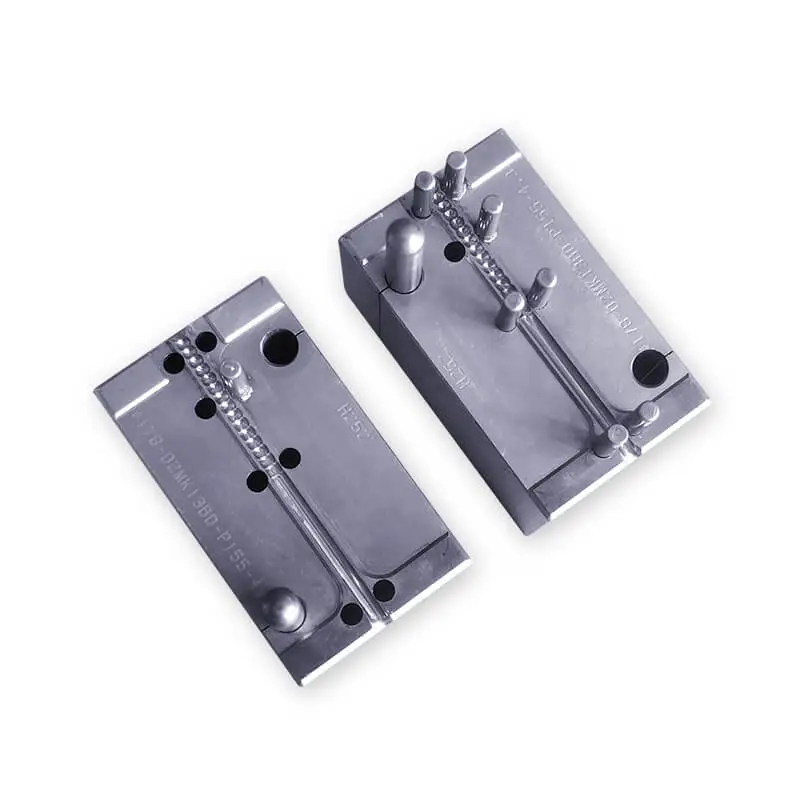
In jewelry manufacturing, frequent profile changes are common. Machines with tool-less or quick-change die systems can significantly reduce downtime. Consider:
Time required to switch between profiles
Availability of preset or programmable profile parameters
Operator training requirements for setup procedures
Automation and Integration Features
Modern forming machines offer various automation features that improve efficiency:
Automatic feeding systems for continuous operation
Integrated length measurement and cutting
Data logging for quality control and traceability
Network connectivity for production line integration
Sible's Wire and Tube Forming Solutions
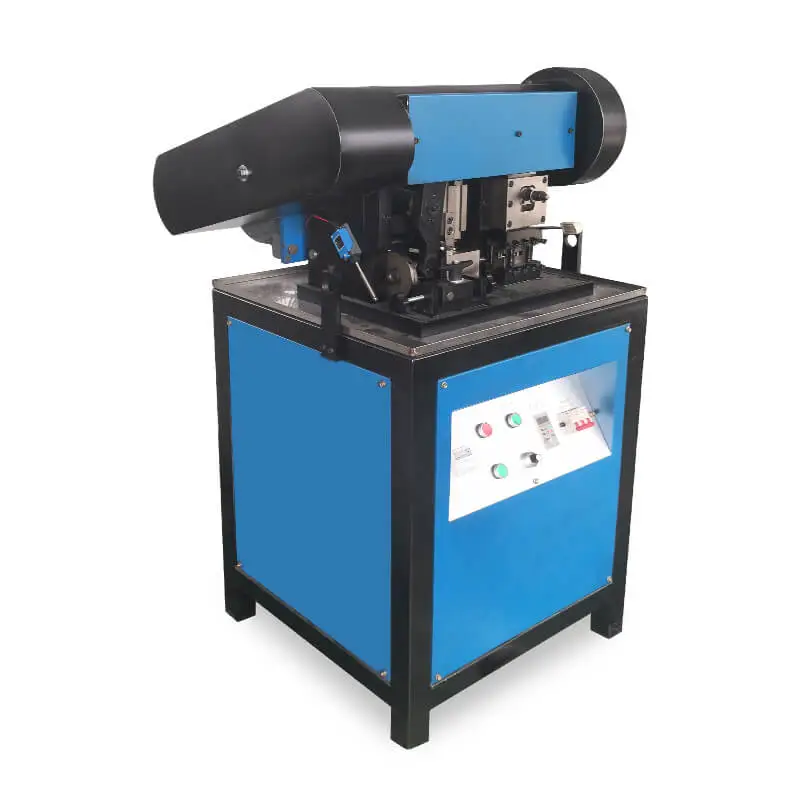
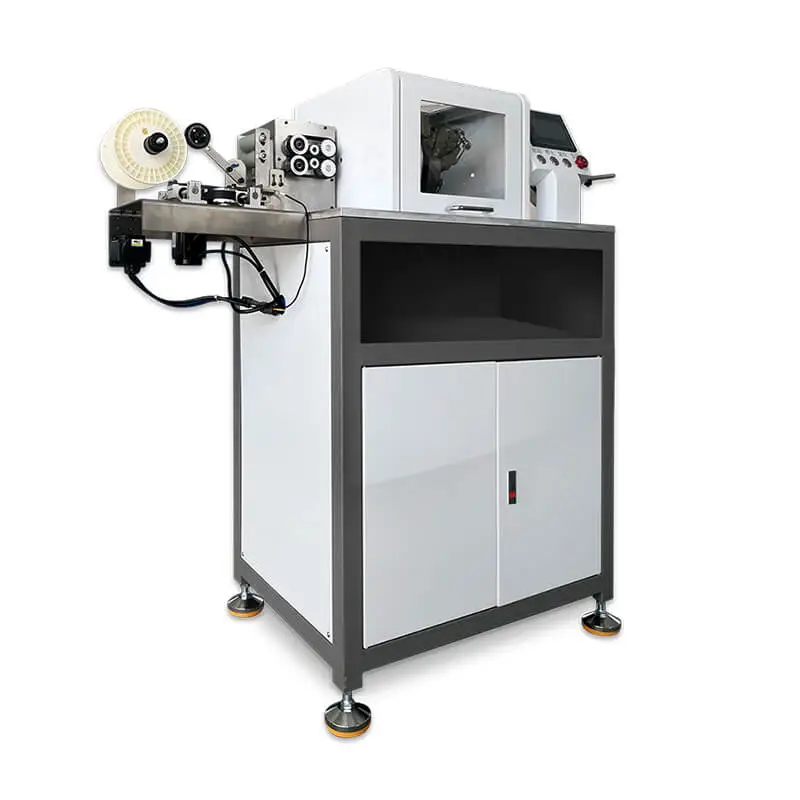
Sible offers a range of wire and tube forming machines designed for jewelry manufacturing precision requirements. Our equipment combines mechanical reliability with digital precision control, ensuring consistent output across production runs.
Key features of Sible forming machines:
Precision-engineered roller systems for consistent profiles
Servo motor control with ±0.01mm repeatability
Quick-change die systems minimizing changeover time
Automatic feeding and collection for extended unattended operation
Multi-metal compatibility (gold, silver, copper, brass, and more)
Durable construction designed for 24/7 production environments
Maintenance and Longevity
Proper maintenance extends the life of your forming machine and ensures consistent quality:
Daily: Clean rollers and dies; check lubrication levels; inspect for wear marks
Weekly: Verify alignment and calibration; clean feeding mechanisms; check electrical connections
Monthly: Inspect bearings and bushings; replace worn dies; test safety systems
Quarterly: Comprehensive calibration; full system inspection; software updates if applicable
Following manufacturer maintenance schedules is essential for warranty coverage and optimal performance. Sible provides detailed maintenance documentation and remote support for all forming equipment.
Investment and ROI Considerations
When evaluating forming machine investment, consider the total cost of ownership:
Initial purchase price: Compare features relative to your production requirements
Installation and training costs: Factor in setup and operator training time
Die and tooling costs: Custom profiles require dedicated tooling
Maintenance and spare parts: Budget for routine maintenance and consumables
Energy consumption: Modern servo-driven machines offer significant energy savings
Most jewelry manufacturers achieve ROI within 12-18 months of adding a forming machine, driven by reduced labor costs, material savings from consistent profiles, and increased production capacity.
Conclusion
Wire and tube forming machines are fundamental to efficient jewelry manufacturing. By understanding the available techniques, assessing your production requirements, and evaluating machines based on precision, compatibility, and automation features, you can select equipment that delivers long-term value for your operation.
Sible's wire and tube forming machines are engineered specifically for jewelry manufacturing applications, combining precision engineering with practical production features. Whether you're expanding capacity or upgrading existing equipment, our team can help identify the right forming solution for your needs.
▶ Explore Wire Forming Machines
Message Online


