
 Tiếng Việt

How to Set Up a Small Jewelry Factory: Equipment Checklist
Starting a small jewelry factory is as much about sequencing as spending. Buy the right machines in the right order, and a workshop can ship finished components within weeks; buy on impulse, and capital sits idle in mismatched tools. This checklist walks through the equipment a small jewelry production line actually needs, with two ready configurations depending on your starting point.
First: Define What You Will Make
Your equipment list follows from your product. Bead and ornament makers need cutting and forming machines; chain and assembly work needs linking and welding stations; bangle and structural pieces need shaping and finishing equipment. Write down your three highest-volume components and work backwards from them.
Core Production Machines
| Production stage | Typical machine | What it does |
|---|---|---|
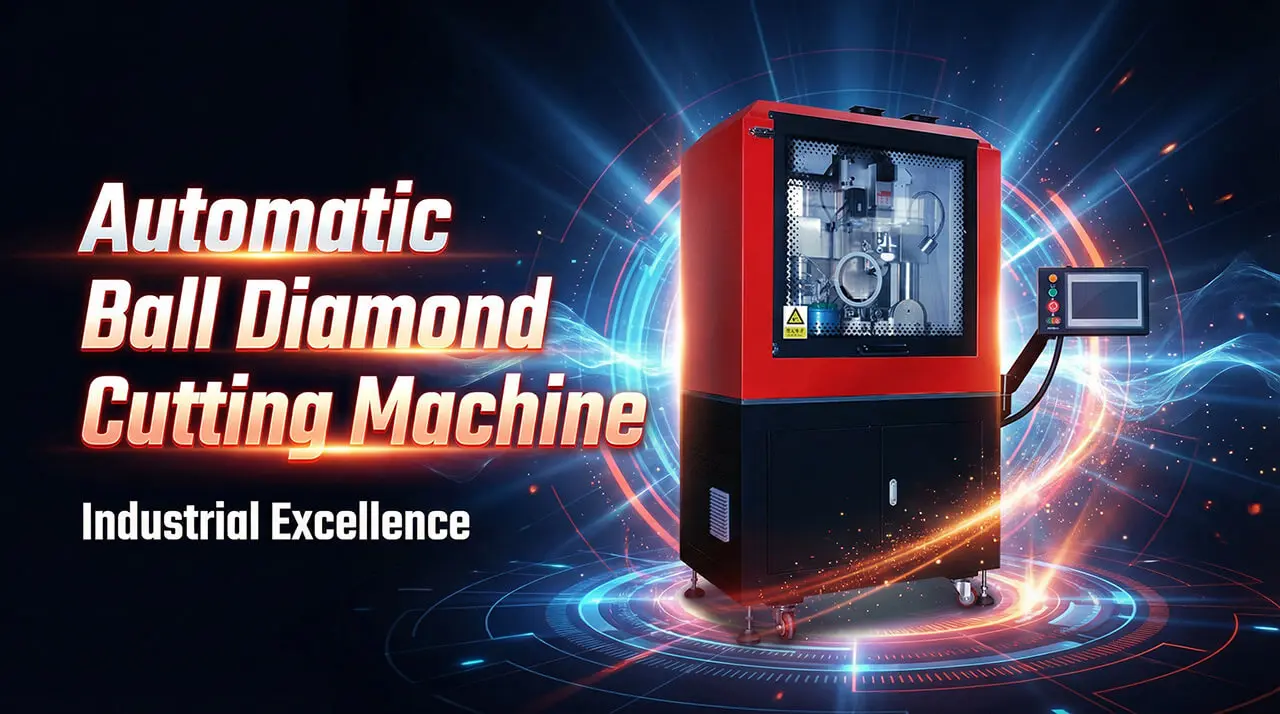
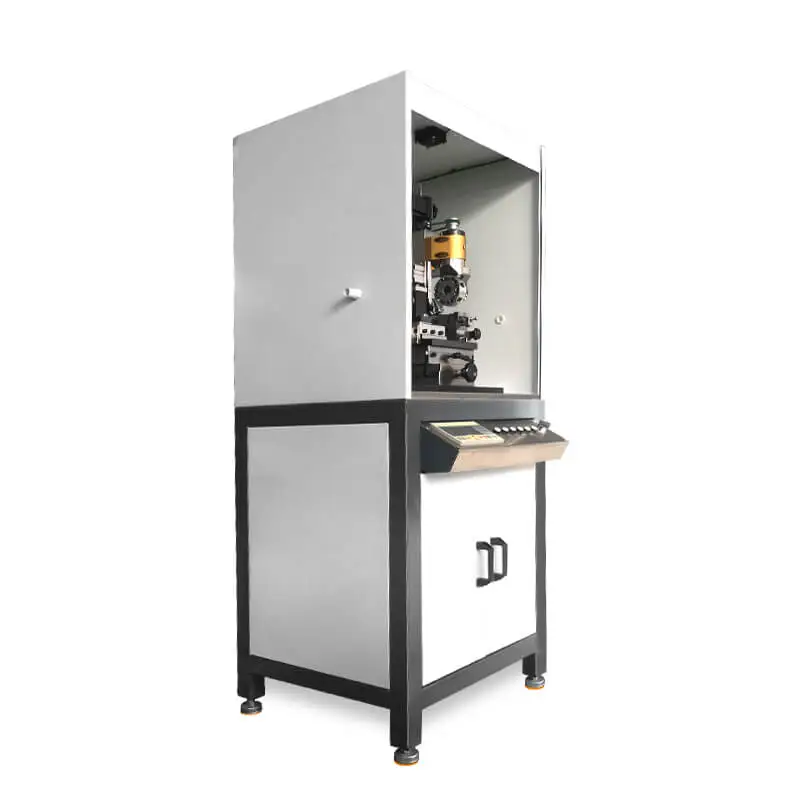
| Wire & tube blanks | Diamond cutting machine for wire and tube | Cuts precise diamond facets along wire and tube stock |
| Bead production | Automatic bead cutting machine | Cuts uniform beads from rod or wire at high speed |
| Ball beads | Ball making machine | Forms and rounds beads into perfect spheres |
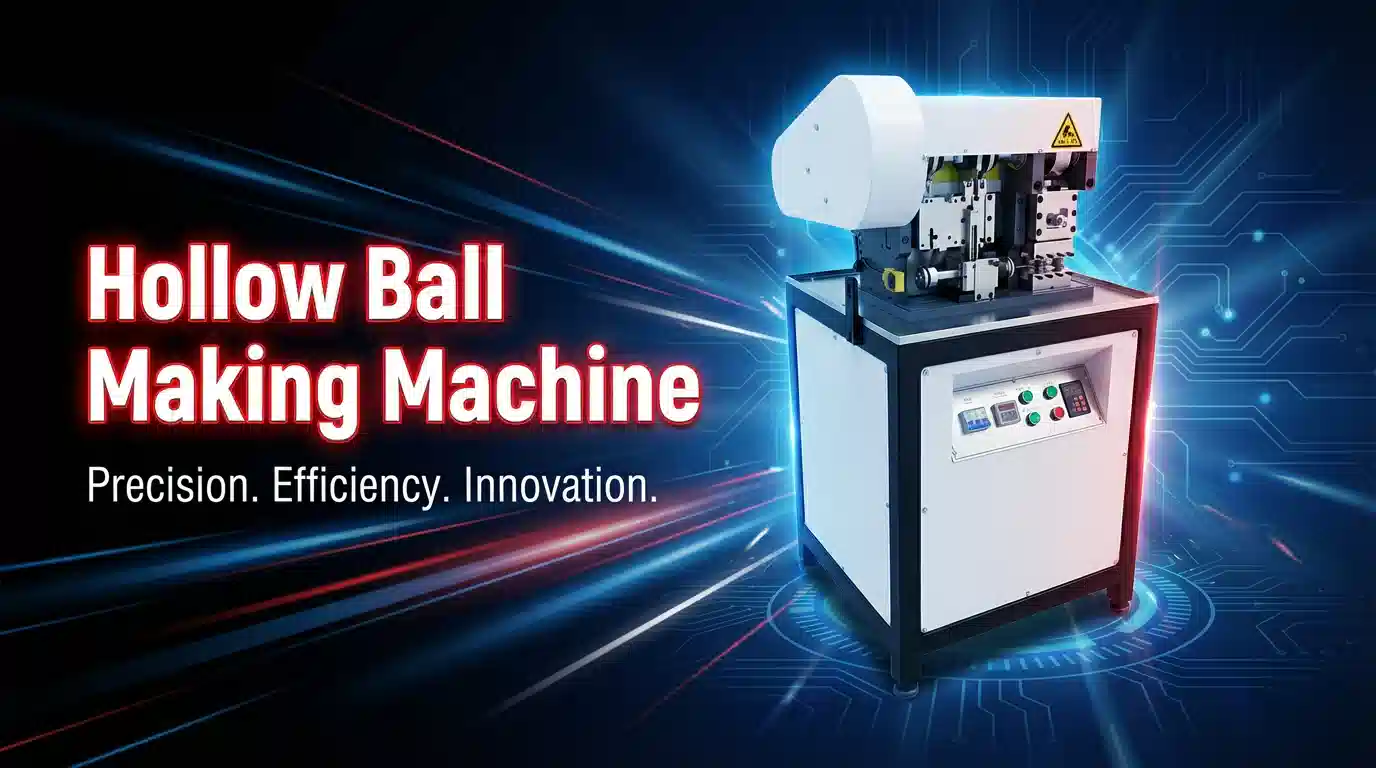
| Hollow beads | Hollow ball making machine | Produces lightweight hollow spheres for fine chains |
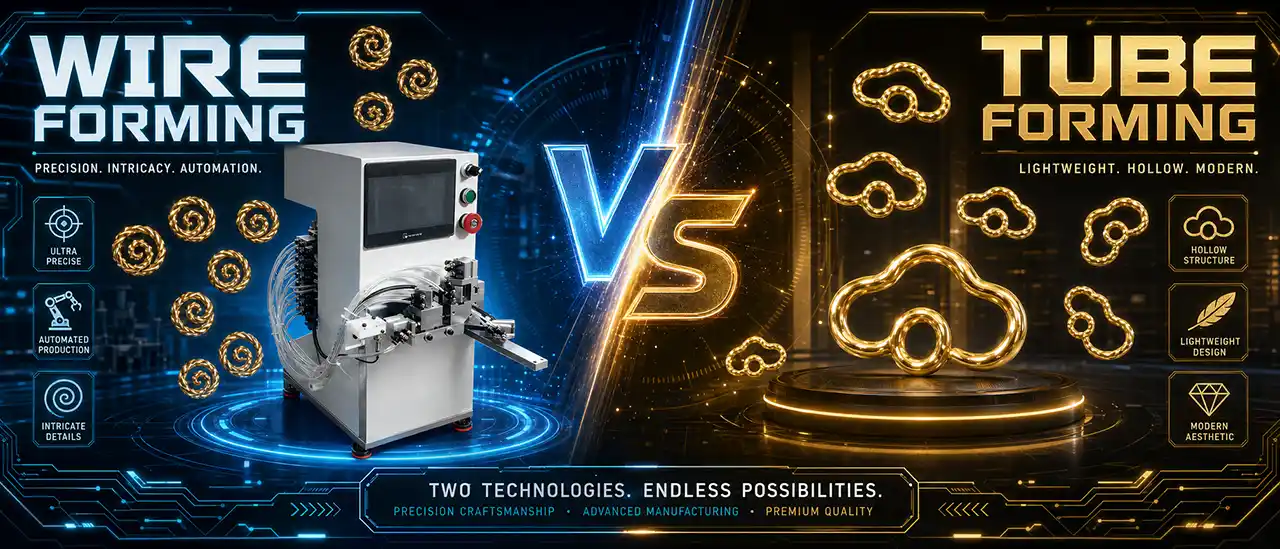
| Decorative wire | Flower line shaping machine | Forms cloud, spiral and arc patterns from wire |
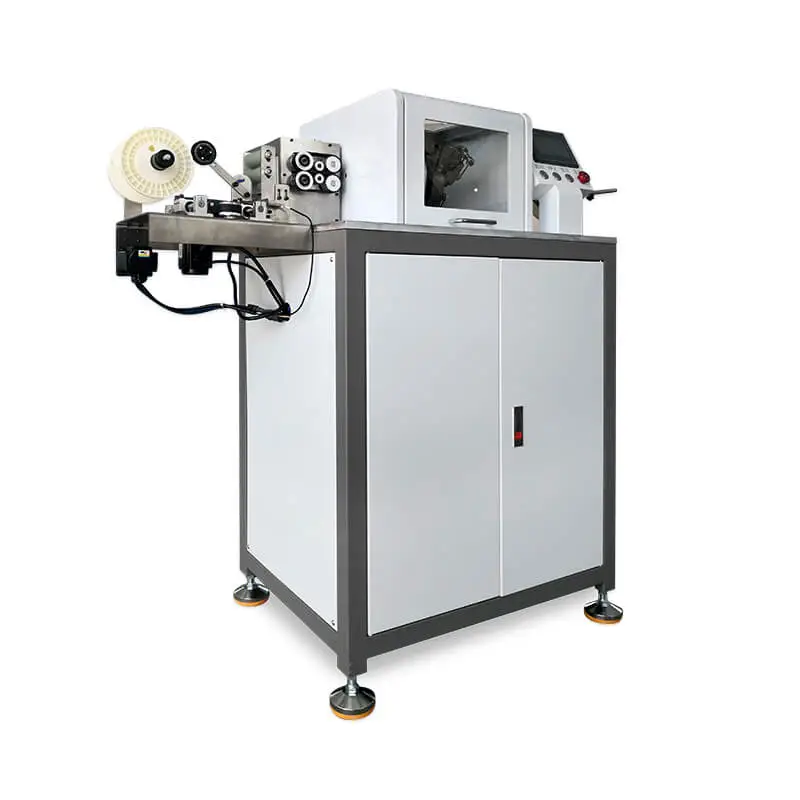
| Chain assembly | Beads chain linking making machine | Links beads and components into continuous chains |
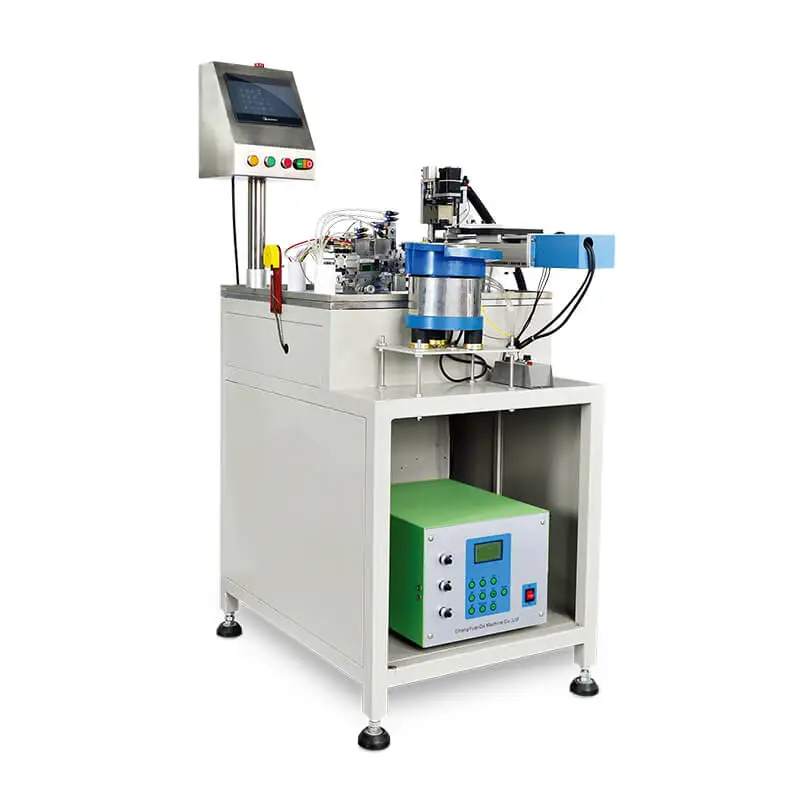
| Welding | Semi-automatic bead chain welding machine | Closes links securely with minimal operator skill |
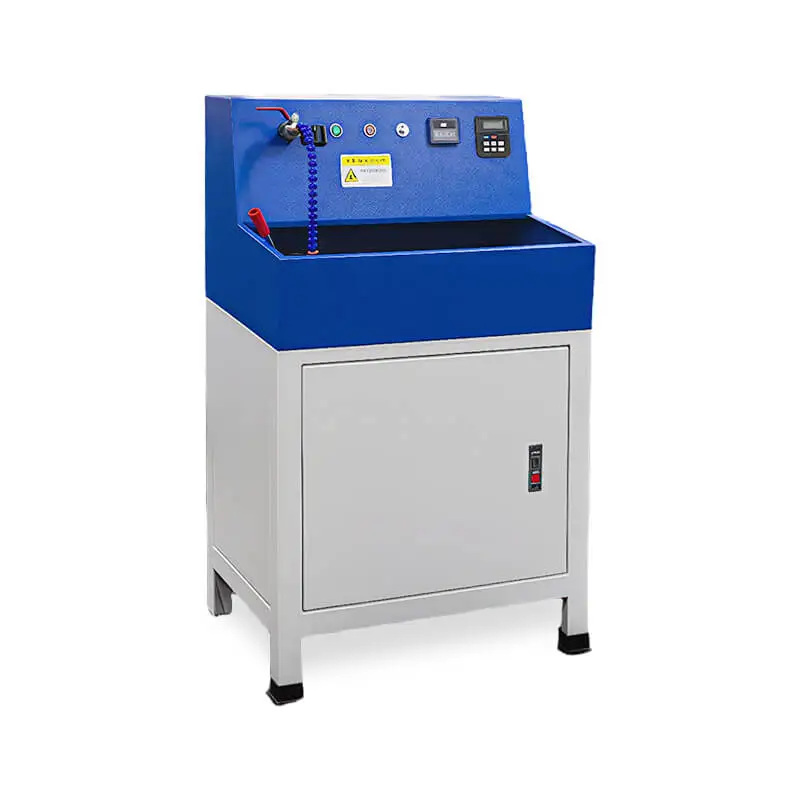
| Bangle finishing | Bangle mirror finish making machine | Shapes and polishes bangles to mirror brightness |
Most small factories don't need all of these at once — pick the stages that match your product list above.
Supporting Tools and Consumables
Machines alone won't run a factory. Budget early for:
- Diamond cutting tools and dies: quality of the cut depends heavily on the diamond cutting tools and wire drawing dies you install
- Workholding and fixtures: bead propulsion fixtures, clamps and molds keep output consistent
- Power and safety: 220 V supply, stable voltage, exhaust for polishing stations
- Spares buffer: belts, guides and cutting tools wear fastest; order extras with your first machines
Two Starter Configurations
Configuration A — Bead & ornament focused (1–3 people, small room): automatic bead cutting machine, ball making machine, diamond cutting tools, plus a bench rolling mill. This covers the highest-margin small components: beads, spacers, decorative wire.
Configuration B — Full chain line (3–6 people): cutting station, hollow ball making machine, linking machine, welding machine, and finishing equipment. More capital, but the line ships finished chains end-to-end.
A useful rule of thumb: the cutting stage should never be the bottleneck. If your cutters can't feed the assembly bench, add cutter capacity before adding anything else.
Common Setup Mistakes to Avoid
- Buying a finishing machine before a cutting machine — raw stock processing comes first
- Underestimating tool wear — dies and diamond tools are consumables, not one-time purchases
- Ignoring training time — choose factory-direct suppliers with video guidance so machines run at day one, not week six
- No layout planning — machines need feed-side and take-off-side clearance, not just floor space
Working With a Factory-Direct Supplier
For a small factory, the supplier relationship matters more than at large scale: you need one partner that covers cutting, forming, assembly and finishing, with documentation and spares in the same language of your operation. Sible machines are designed as a matched line — wire/tube processing, bead production, linking and welding — so a small workshop can standardize on one support channel instead of juggling several vendors.
FAQ
What equipment do I need to start a small jewelry factory?
At minimum: a cutting machine for your raw stock, one forming machine matched to your main component, basic finishing tools, and consumable spares. Most small bead workshops begin with a bead cutting machine and a ball making machine.
How many people does a small jewelry line need?
A single operator with a bead cutting machine and a small ball making machine can run a one-person workshop. Full chain-line configurations typically use 3–6 operators including finishing.
Can machines grow with the business?
Yes, if you choose a modular line. Start with cutting and bead machines, then add linking and welding stations as order volume grows — all on the same supplier's standards.
What power supply does a small jewelry factory need?
Most compact Sible machines run on standard 220 V single-phase supply; CNC and welding stations may need a three-phase connection. Confirm each machine's spec before wiring your workshop.
Ready to Plan Your Line?
Send us your target products and daily volume, and we'll recommend a starter equipment list sized for your workshop — with technical documentation, remote video training and spare-parts support from day one.
Contact Sible Jewelry Machinery for a factory-direct quotation and technical guidance.

Message Online


